English


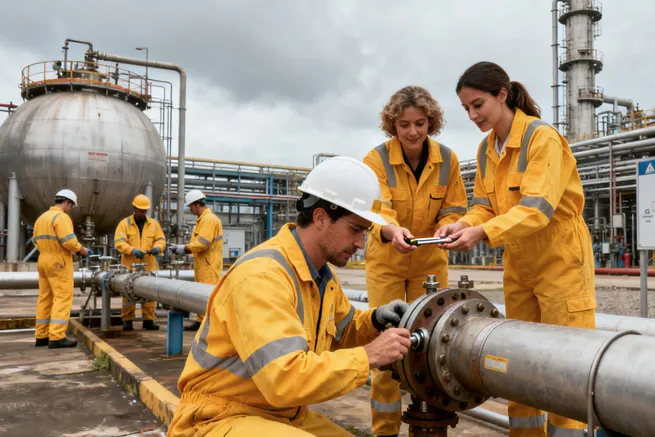
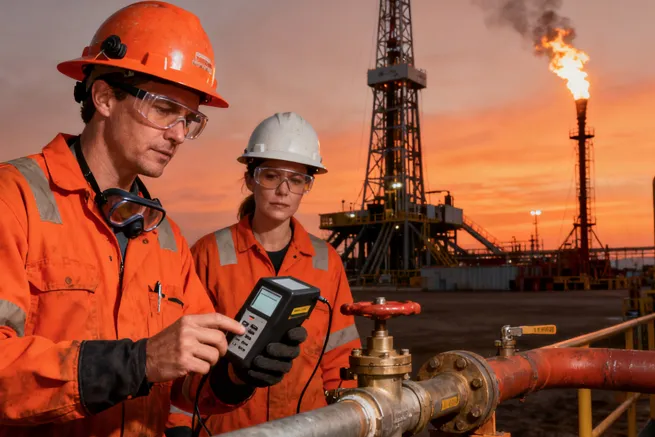
"FR + Anti-Static" appears frequently in specifications for refineries, petrochemical plants and chemical facilities.
But why are the two properties combined?
The answer is that they address different hazards.
Flame-resistant clothing is intended to reduce the consequences of flame exposure by limiting ignition and flame spread.
Anti-static clothing addresses electrostatic charge.
In an environment where flammable gases, vapors or other ignition-sensitive materials may be present, both hazards can matter. This is why some chemical and petrochemical sites specify garments combining the two properties.
Anti-static fabrics often contain conductive fibers.
That does not automatically make the fabric flame resistant.
Likewise, a flame-resistant cotton fabric does not automatically meet a project's anti-static requirements.
If both functions are specified, buyers should verify both sets of performance rather than assuming one implies the other.

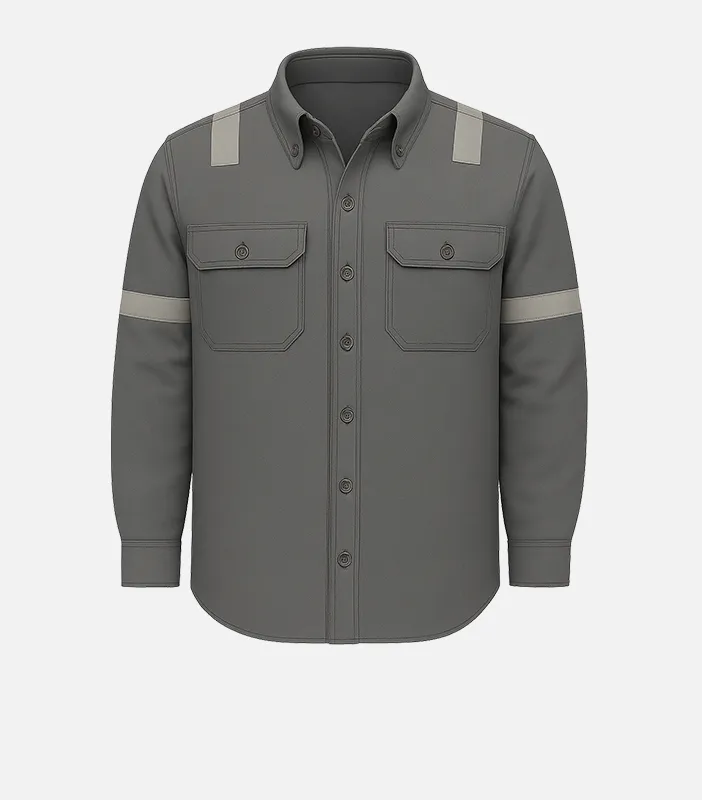
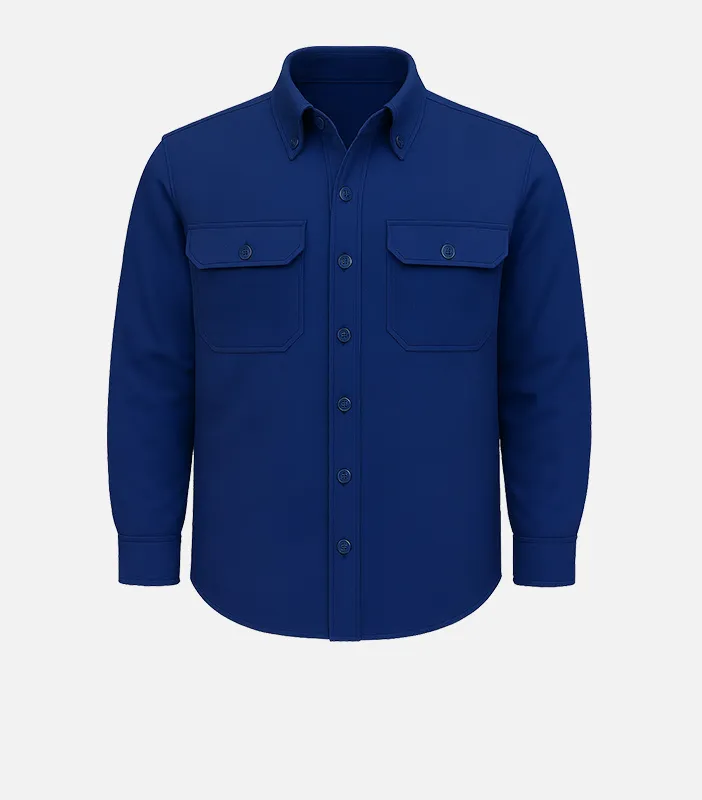
One common approach is an FR cotton or cotton-rich fabric incorporating conductive fibers.
Inherent FR blends can also be engineered with anti-static properties where the project requires a different balance of weight, durability and thermal protection.
The choice depends on the required standards, working temperature, washing conditions, garment life and budget.
This is another common specification problem.
A garment being FR and anti-static does not mean it protects the wearer from chemical liquid penetration.
If workers may be exposed to chemical splashes, the chemical hazard must be assessed separately and appropriate chemical protective clothing selected where required.
Trying to cover every hazard with one garment can create a false sense of protection.
FR and anti-static properties are often combined because chemical plants may contain both thermal and electrostatic ignition hazards.
But each protective function should be specified and verified separately.
A clear RFQ should state the actual workplace hazards, required standards, fabric preference and any additional chemical protection requirement.
DOMEXSafety focuses on the design and innovation of specialized protective apparel, with deep expertise in core safety technologies such as flame resistance and anti-static protection. We provide safe and reliable professional protective solutions for the industrial, electrical, oil, and chemical sectors, and are committed to becoming a globally trusted protective brand.