English


Construction PPE is often selected around visibility, but outdoor workers have another problem that is easy to underestimate: weather.
Rain, wind and cold can affect both worker comfort and the performance of the clothing system. For contractors operating outdoors, a fluorescent vest alone may not be enough.
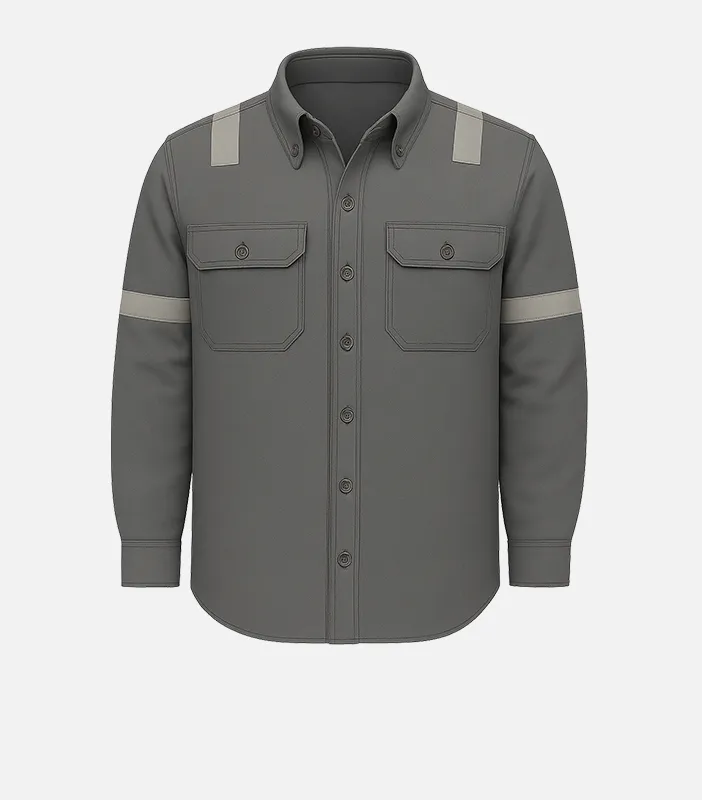
Workers operating near cranes, trucks, excavators and road traffic need to remain recognizable in changing light conditions. High-visibility garments use fluorescent background materials for daytime recognition and reflective materials for low-light conditions.
DOMEX already covers EN ISO 20471 and construction visibility requirements elsewhere in its technical content, so the more practical question is what happens when bad weather starts.
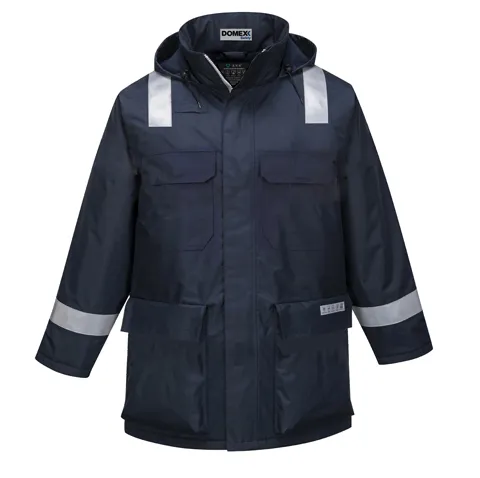
A worker wearing a compliant hi-vis shirt underneath a non-visible rain jacket may lose much of the intended visibility once the outer layer is added.
For that reason, PPE should be considered as a complete clothing system, not as individual garments.
For outdoor construction, buyers often ask only for a waterproof rating.
In practice, garment construction matters too. Seams, zippers, storm flaps, cuffs and hood design can determine how well the finished jacket performs during prolonged rain.
Breathability also matters. A highly waterproof jacket that traps heat and moisture can become uncomfortable during physical work.

Warm and rainy environments may benefit from lightweight waterproof shells, while colder sites may require insulated or layered jackets.
For projects operating across seasons, detachable liners or multi-layer systems can sometimes be more practical than purchasing completely separate uniforms.
The specification should therefore begin with the climate, working hours and expected exposure—not simply “waterproof hi-vis jacket.”
Before ordering, contractors should define the required visibility level, rainfall exposure, temperature range, garment configuration and expected washing cycle.
Reflective tape durability is particularly important because construction clothing is exposed to repeated washing, dirt and abrasion.
Construction workwear should keep workers visible after the weather changes, not only on a clear day.
Combining appropriate high-visibility materials with practical weather protection creates a more useful clothing system for road construction, infrastructure and general outdoor projects.
DOMEXSafety focuses on the design and innovation of specialized protective apparel, with deep expertise in core safety technologies such as flame resistance and anti-static protection. We provide safe and reliable professional protective solutions for the industrial, electrical, oil, and chemical sectors, and are committed to becoming a globally trusted protective brand.