English

Selecting the right flame-resistant clothing system is an important decision for industries where workers may face thermal exposure, electrical hazards, or high-temperature working conditions. Two-piece IFR workwear and IFR coveralls are both widely used solutions, but they provide different advantages depending on coverage requirements, working environment, mobility needs, and daily operation.
The best choice is not determined only by garment style. Buyers should evaluate workplace hazards, climate conditions, required protection levels, and compatibility with other PPE before selecting an industrial workwear system.
Understanding the differences between these two solutions helps companies choose suitable protective clothing for their specific projects.

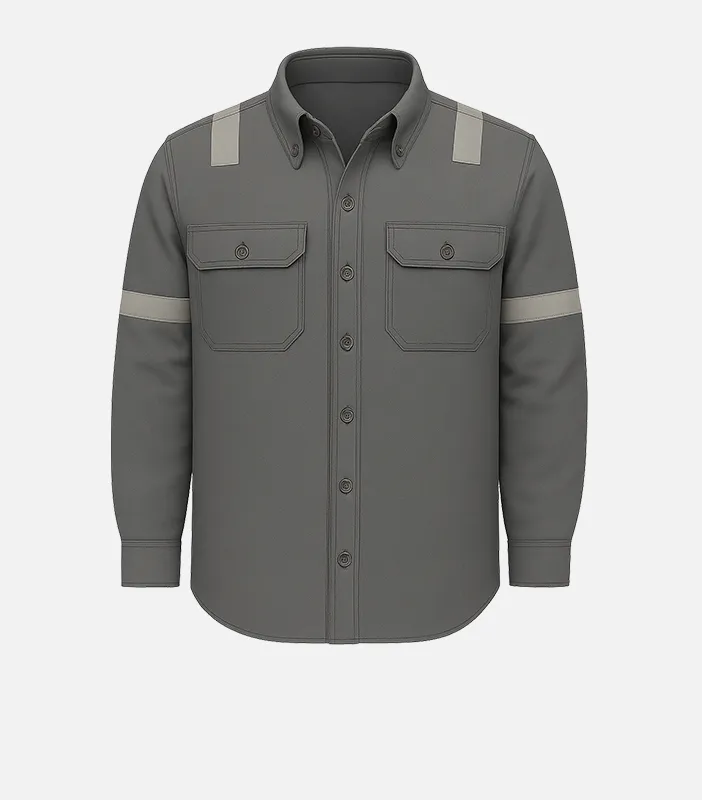
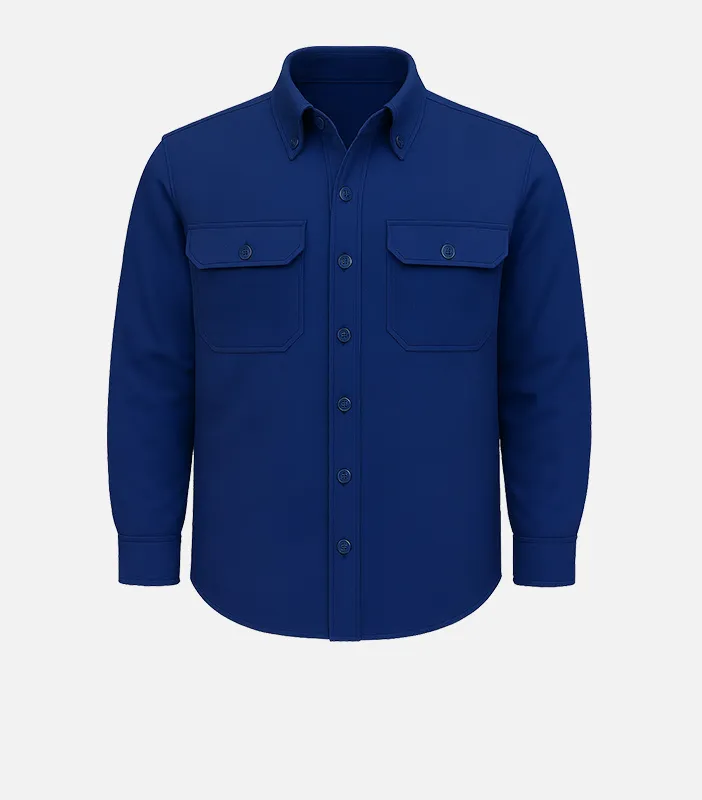
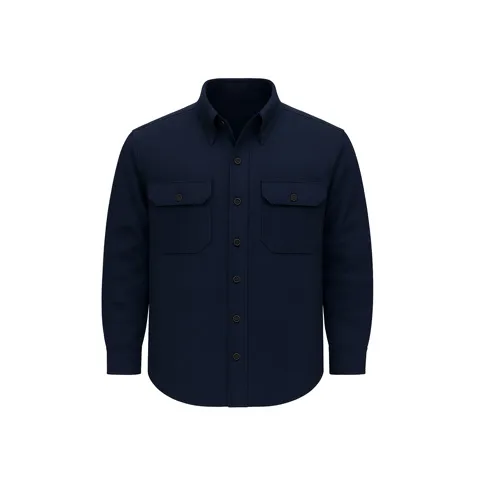
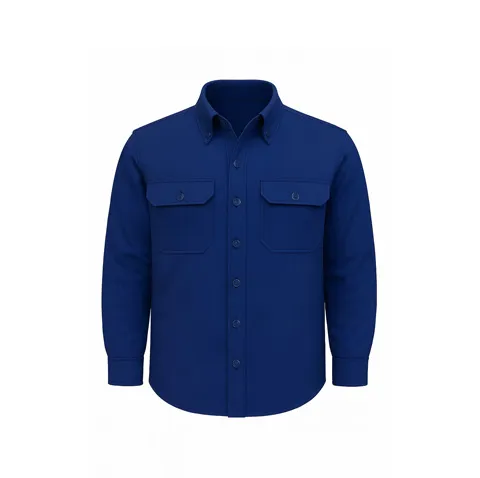
A two-piece IFR workwear system usually consists of a flame-resistant shirt or jacket combined with matching protective trousers. Unlike a one-piece garment, this structure separates the upper and lower sections, allowing workers to adjust their clothing according to different tasks and environmental conditions.
This design provides flexibility for industries where employees may move between different working areas or experience changing temperatures throughout the day. Workers can also replace individual garments when needed instead of changing the complete set.
When selecting an IFR system, companies should consider hazard exposure, required body coverage, climate conditions, and workplace activities. The garment design should support both protection requirements and worker comfort during daily operations.
A professional workwear supplier can help buyers evaluate fabric options, garment construction, certification requirements, and customization needs before production.
Two-piece IFR systems and coveralls are designed for flame-resistant protection, but their structures create different user experiences. A two-piece system provides more flexibility, while coveralls provide integrated body coverage.
When comparing an IFR suit with coverall solutions, buyers should focus on how the garment structure matches the working environment rather than choosing only based on appearance.
| Comparison Factor | Two-Piece IFR Workwear | IFR Coveralls |
| Body coverage | Separate upper and lower protection layers | Full-body protection in one garment |
| Mobility | Easier movement and flexible layering | Integrated design with consistent coverage |
| Climate adaptability | Easier to adjust for temperature changes | Suitable for environments requiring continuous coverage |
| Maintenance | Individual pieces can be replaced separately | Complete garment managed as one unit |
| Daily convenience | Flexible for different work tasks | Simple one-piece dressing process |
Two-piece systems are often preferred where workers need flexibility, while coveralls may be more suitable for environments requiring continuous protection coverage.
Two-piece IFR workwear is suitable for workplaces where mobility, flexibility, and clothing adjustment are important considerations.
For example, maintenance teams, outdoor workers, and industrial operators may experience different working conditions throughout the day. A separate shirt and trouser design allows workers to adapt their clothing according to temperature, movement requirements, and task conditions.
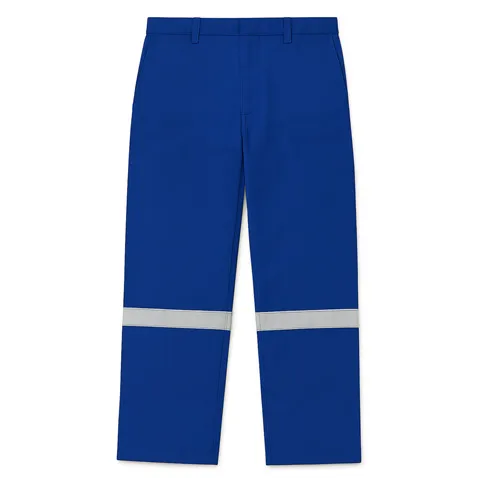
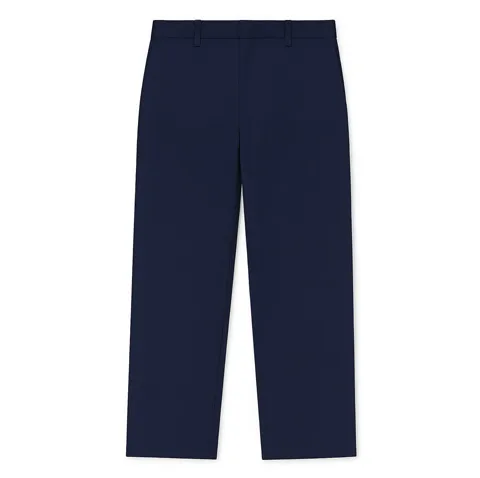
Choosing suitable IFR work pants is an important part of this system because trousers need to provide durability, comfort, and compatibility with other protective equipment.
Buyers should evaluate:
Workplace hazards and exposure risks
Required protection standards
Worker movement requirements
Climate conditions
Compatibility with additional PPE
For companies managing different job roles, two-piece systems can also simplify inventory management because individual garments can be replaced according to actual usage.
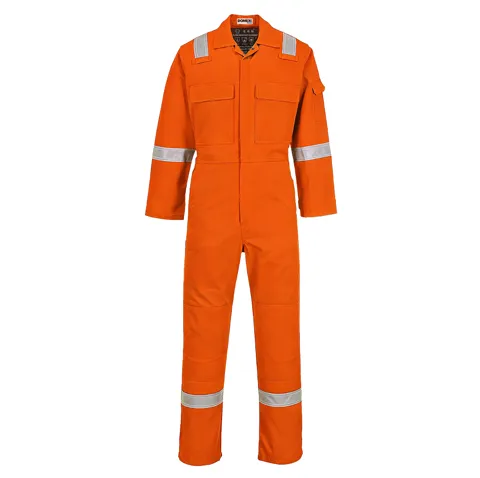
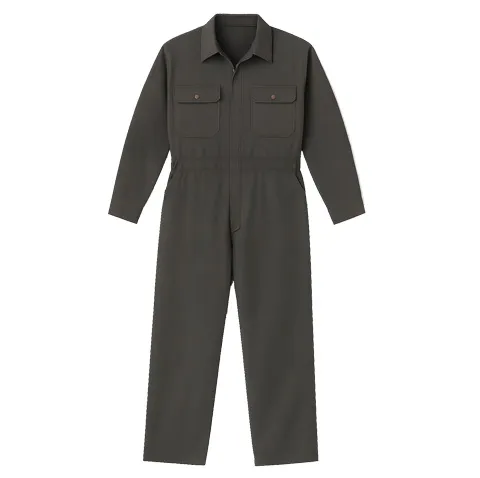
IFR coveralls provide a connected upper and lower garment structure that helps create continuous protection across the body. This design can reduce separation between clothing sections and provide consistent coverage during industrial activities.
IFR coveralls are often considered for applications where workers require full-body protection and simplified garment management. They can be useful in environments where exposure conditions are consistent and reducing gaps between clothing sections is an important consideration.
However, coverall selection should still consider fabric weight, ventilation, movement requirements, and working climate. A suitable garment should balance protection performance with practical daily use.
For projects with strict safety requirements, companies should work with experienced protective clothing manufacturers that can provide suitable materials, certifications, and customization support.

Before purchasing IFR workwear, buyers should review technical documents carefully to confirm that the garments meet project requirements.
Important information includes:
Applicable safety standards and certifications
Fabric composition and weight
Test reports
Washing and maintenance requirements
Reflective material and accessory information
Certification documents should be evaluated together with actual garment specifications. A complete review helps procurement teams compare different suppliers more accurately and avoid decisions based only on price.
Before placing an order, buyers should prepare clear project requirements, including:
Required protection standards
Workplace hazards
Climate conditions
Garment type
Fabric weight
Required quantity
Customization requirements
Delivery schedule
Providing detailed information helps suppliers recommend suitable workwear solutions and reduce communication issues during production.
For companies looking for customized flame-resistant clothing solutions, working with an experienced manufacturer such as DOMEX can help confirm garment specifications, protection requirements, and project details before production.
Choosing between two-piece IFR workwear and IFR coveralls depends on workplace hazards, climate conditions, mobility requirements, and protection expectations. Two-piece systems provide flexibility and easier adjustment, while coveralls offer integrated body coverage. By evaluating certifications, garment construction, and project requirements, companies can select a flame-resistant clothing system that better supports worker safety and operational needs.
Yes. Two-piece IFR systems can be suitable when workers need flexible protection and easier garment adjustment based on working conditions.
Neither option is suitable for every situation. The correct choice depends on hazard exposure, coverage requirements, climate, and workplace activities.
Buyers should review certifications, fabric information, customization capability, production experience, and technical support.
Companies should provide workplace conditions, required standards, garment types, quantities, customization needs, and delivery requirements.

This is the first one.