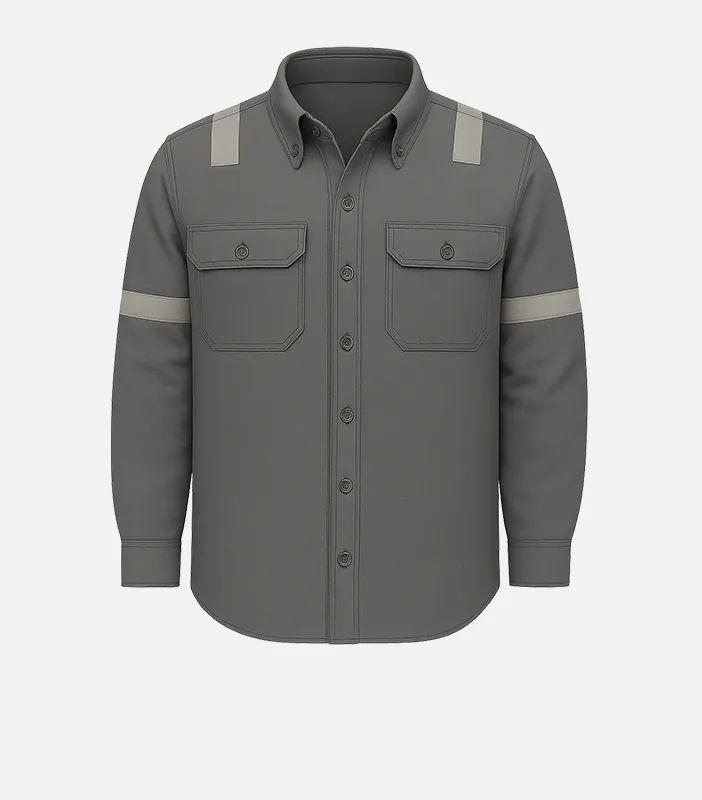
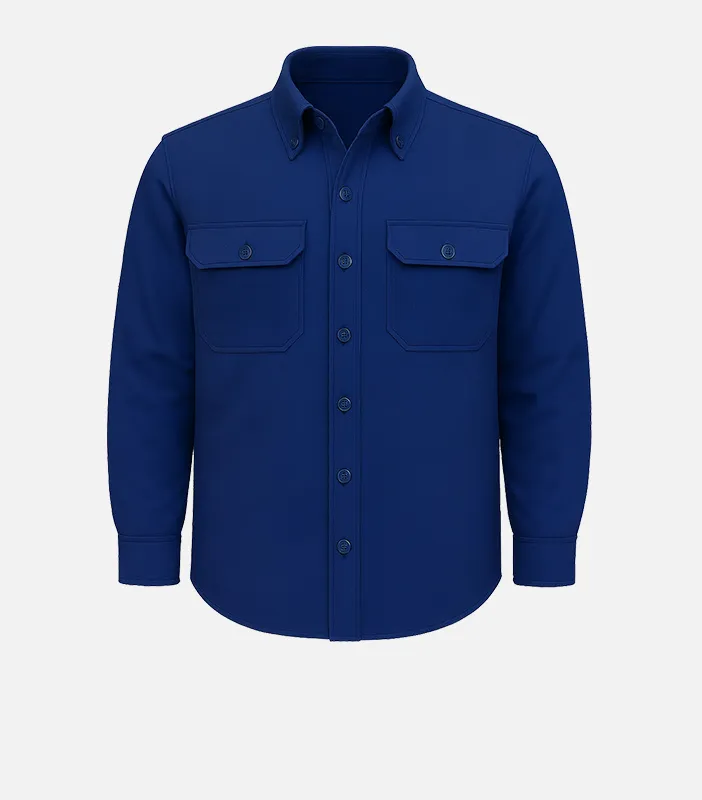
Arc flash incidents are among the most dangerous hazards in electrical and industrial environments. To reduce risks, international standards such as EN 61482 define how protective clothing should be t...
When it comes to arc flash protective clothing, two of the most widely recognized standards are EN 61482 (European standard) and NFPA 70E (North American standard). At DOMEX SAFETY, we design and manu...
When it comes to protecting workers from arc flash hazards, standards matter. One of the most important updates in recent years to EN 61482-1-1 (Open Arc Test) is the introduction of the ELIM value. A...
When it comes to arc flash protective clothing, one of the most important standards in North America is ASTM F1506. At DOMEX SAFETY, we manufacture arc flash coveralls, shirts, and pants that are cert...
When it comes to electrical safety, NFPA 70E is one of the most important standards that safety managers must understand. At DOMEX SAFETY, we specialize in producing high-quality arc flash coveralls, ...
Electrical workers face some of the most dangerous hazards in industrial environments. One of the most critical risks is the arc flash, a sudden release of energy that can reach temperatures hotter th...
Working in extreme cold environments demands protective clothing that keeps workers warm, safe, and comfortable. EN 342 is the European standard for cold-weather protective garments, and understanding...
Industrial workers exposed to rain, wind, and harsh weather need reliable protective clothing to stay dry, comfortable, and safe. EN 343 is the European standard for waterproof and weather-resistant w...
Industrial workers in extreme cold environments face risks such as hypothermia, frostbite, and reduced performance. Selecting the right protective clothing is essential, and EN 342 certified garments ...
WHAT IS EN 342 0.330 (M²·K/W), 2.X?EN 342 defines requirements for protective clothing against cold environments, including thermal insulation, breathability, and water resistance. The classificatio...
In industrial workplaces where chemical splashes are a risk, selecting the right protective clothing is critical. EN 13034 PB [6] is the international standard for limited chemical splash protection, ...
Working in refineries and petrochemical plants involves exposure to complex electrical systems and high-energy equipment, which can pose severe arc flash hazards. Ensuring the safety of employees in t...
 English