English
Industrial workers in extreme cold environments face risks such as hypothermia, frostbite, and reduced performance. Selecting the right protective clothing is essential, and EN 342 certified garments are the benchmark for thermal protection, comfort, and safety.
EN 342 is the European standard for protective clothing against cold environments, assessing garments for:
Thermal insulation – measured in M²·K/W, indicating how well the garment retains heat
Water resistance – ensures protection against snow, rain, and moisture
Wind resistance and breathability – maintains comfort while preventing heat loss
Ergonomics and design – ensures mobility and compatibility with other PPE
This standard ensures workers are protected from extreme cold while maintaining operational efficiency.
EN 342 testing rigorously evaluates how garments perform in real-world cold conditions:
1. Thermal Resistance Testing – Measures heat retention using standardized manikins under controlled conditions.
2. Waterproofing Assessment – Ensures garments resist moisture penetration during rain or snow exposure.
3. Breathability Evaluation – Confirms moisture vapor can escape to prevent overheating and discomfort.
4. Durability and Wear Testing – Checks seams, closures, and fabric performance under repeated use and movement.
These tests guide garment design to ensure maximum protection, comfort, and longevity in cold industrial environments.
EN 342 specifies practical design features that enhance protection:
Full-body coverage – Jackets, trousers, and coveralls to minimize exposed skin
Insulated hoods and collars – Protect head and neck areas from wind and cold
Adjustable cuffs and waistbands – Maintain warmth while allowing flexibility
Layering compatibility – Garments can be worn over FR or IFR base layers for dual protection
Durable closures and seams – Prevent cold and moisture from penetrating
These design elements ensure that industrial workers remain safe and comfortable during extended exposure to low temperatures.
FR Garments: Flame-resistant treated fabrics can be worn under EN 342 outer layers to maintain fire protection in cold environments.
IFR Garments: Inherently flame-resistant fabrics maintain both thermal and fire protection over time, ideal for long-term industrial use.
Combining EN 342 outerwear with FR or IFR garments ensures dual-hazard protection, crucial in industries like oil & gas, petrochemical, and outdoor utilities.
At DOMEX SAFETY, we provide EN 342 certified cold-weather FR and IFR garments, including:
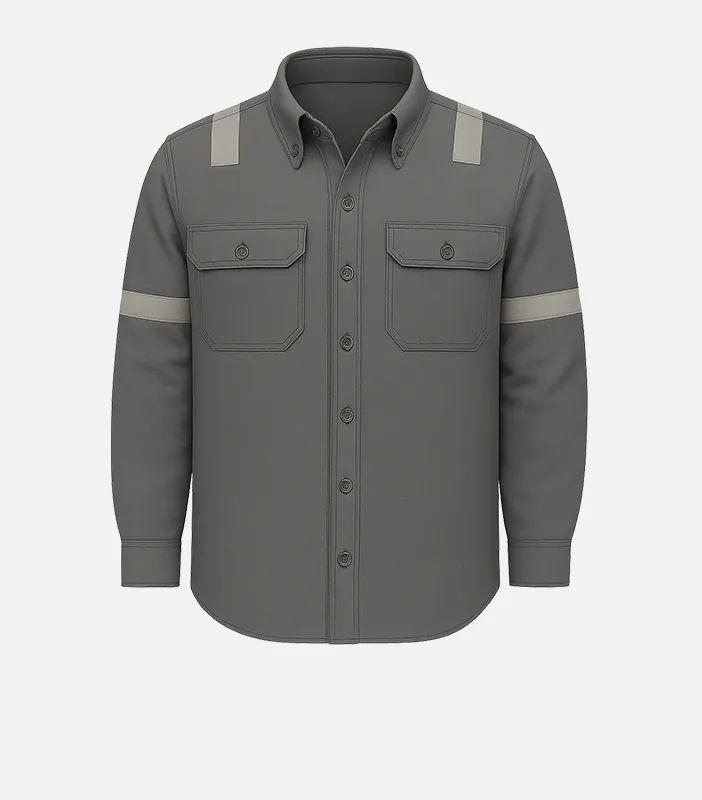
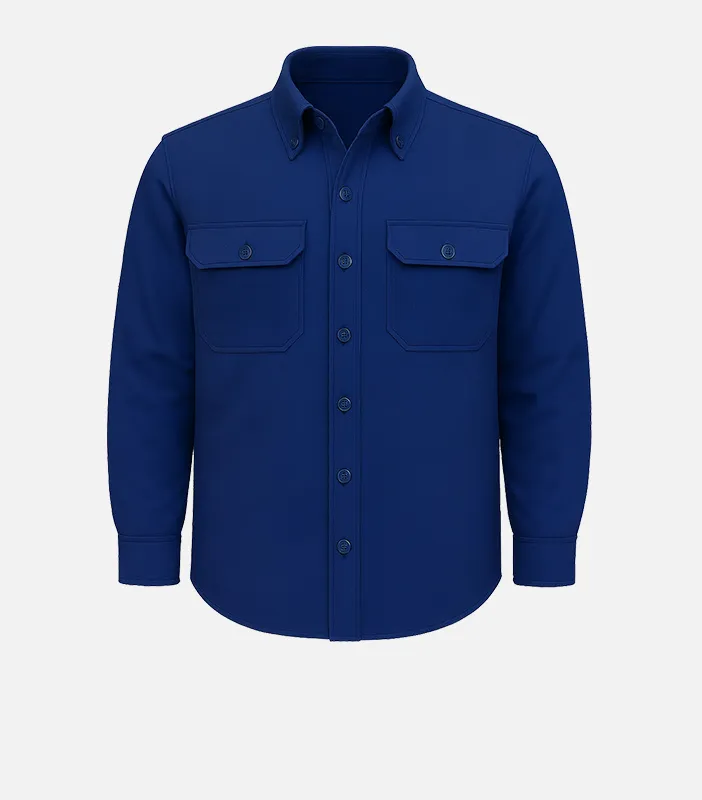
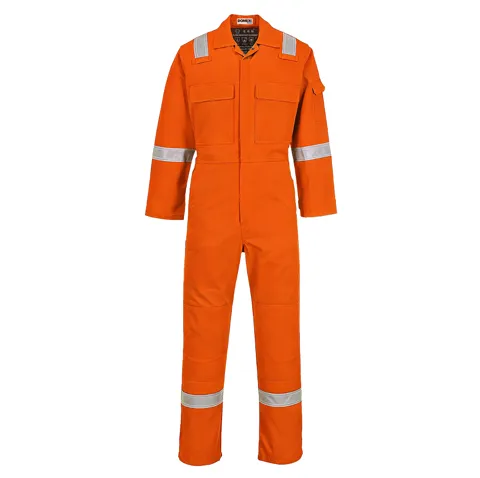
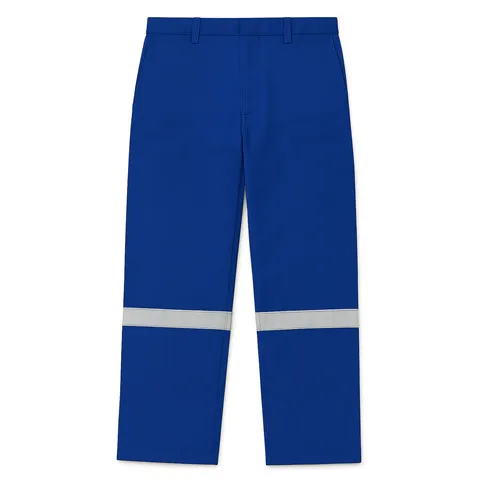
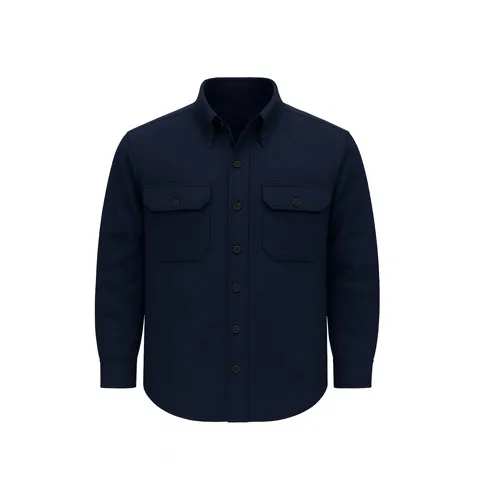
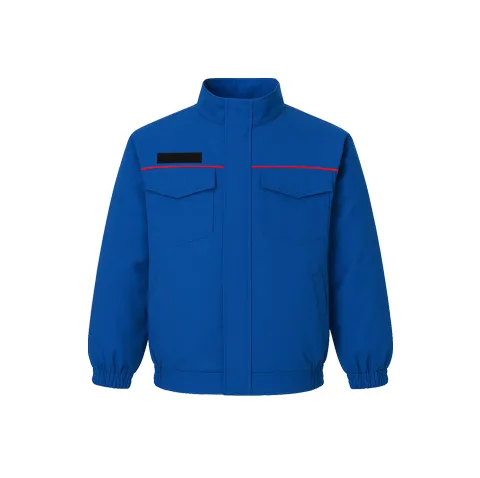
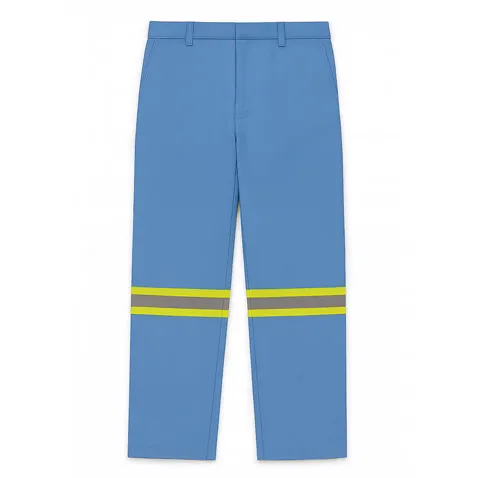
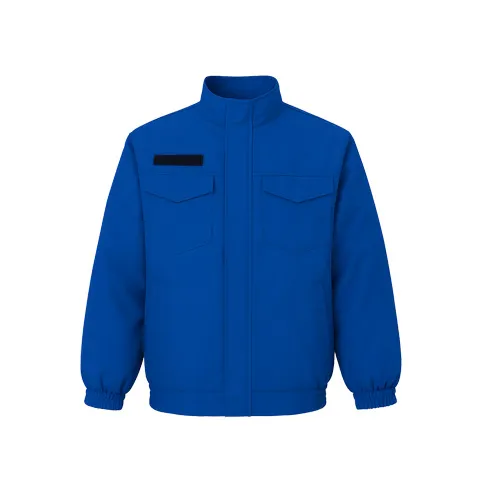
Coveralls, jackets, and trousers for extreme cold industrial environments
Layered PPE solutions combining thermal insulation, flame resistance, and anti-static protection
Garments tested for durability, comfort, and real-world performance
Our clothing ensures worker safety, regulatory compliance, and operational efficiency in extreme conditions.
EN 342 testing shapes garments that protect workers from extreme cold while maintaining comfort and mobility. Pairing EN 342 outerwear with FR or IFR base layers provides a layered safety solution, keeping industrial workers safe, warm, and productive.
Explore DOMEX SAFETY's EN 342 certified garments at DOMEX SAFETY and ensure your workforce is protected against cold hazards while staying fully compliant.