English
In industrial workplaces where chemical splashes are a risk, selecting the right protective clothing is critical. EN 13034 PB [6] is the international standard for limited chemical splash protection, ensuring that garments are both safe and practical. Understanding the testing process and style requirements helps companies choose FR and IFR garments that meet both safety and operational needs.
EN 13034 specifies requirements for chemical protective clothing (CPC) designed to protect against liquid chemical splashes. Type PB [6] garments are lightweight, splash-resistant, and suitable for industrial tasks where full chemical suits are not required. These garments are often worn over FR or IFR workwear to provide dual protection.
Garments certified to EN 13034 PB [6] must pass rigorous testing to ensure reliable protection:
Liquid Chemical Resistance Test – Ensures fabrics resist penetration and maintain integrity when exposed to hazardous liquids.
Seam and Closure Testing – Seams, zippers, and closures are evaluated for potential leakage points.
Durability and Performance – Garments are tested under movement and wear conditions to verify long-lasting protection.
Material Integrity – Fabrics must not degrade or weaken when exposed to chemicals.
These tests guarantee that PB [6] garments provide practical, real-world protection for industrial workers.
EN 13034 PB [6] sets guidelines for garment design and construction to maximize safety and usability:
1. Full Coverage – Garments must cover the torso, arms, and legs adequately to prevent chemical exposure.
2. Closures – Zippers, buttons, or Velcro must be secure and protected to minimize splash entry.
3. Adjustable Features – Elastic cuffs, waist adjustments, and hood options enhance fit and protection.
4. Lightweight and Comfortable Design – Allows workers to move freely while wearing FR or IFR base layers.
5. Layering Compatibility – PB [6] garments are designed to be worn over flame-resistant or inherently flame-resistant clothing without compromising protection.
FR Garments: Treated fabrics can achieve chemical splash protection but require proper care to maintain performance.
IFR Garments: Inherently flame-resistant fabrics maintain PB [6] protection throughout the lifetime of the garment, ideal for long-term industrial use.
Combining PB [6] garments with FR or IFR base layers ensures dual protection against chemical and flame hazards.
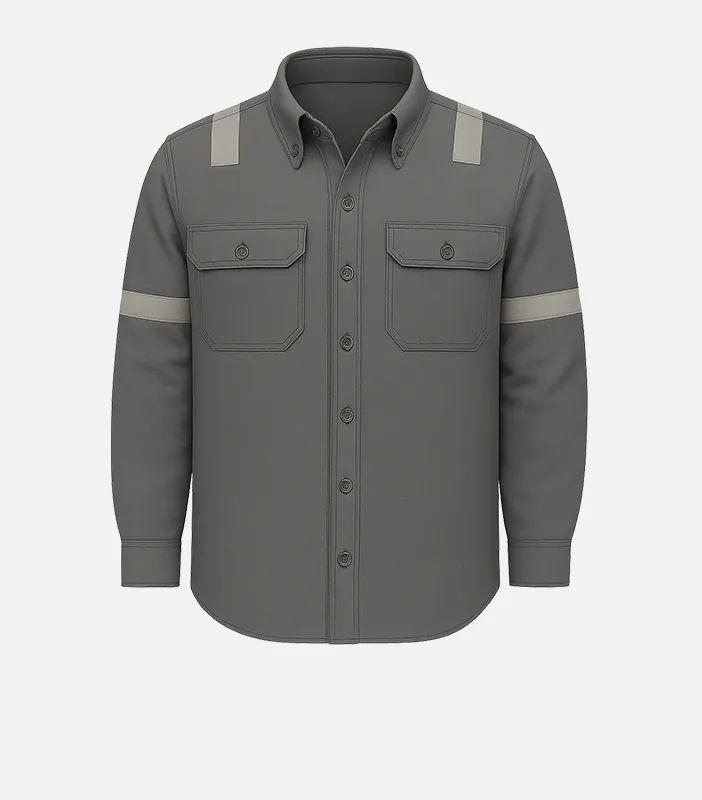
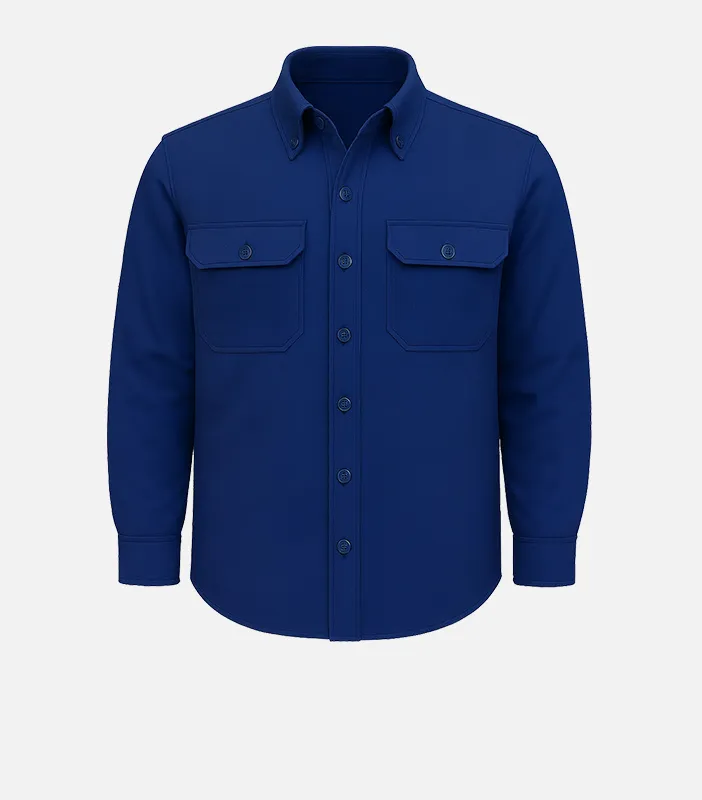
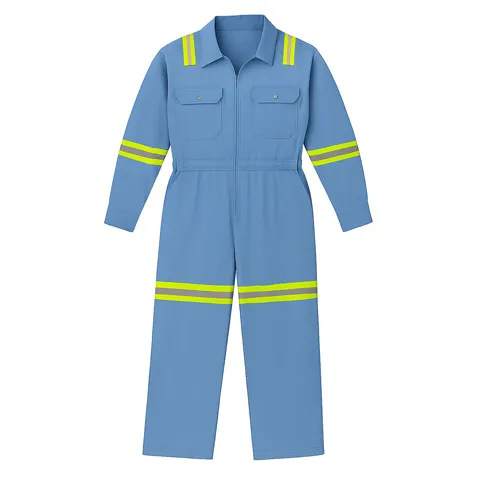
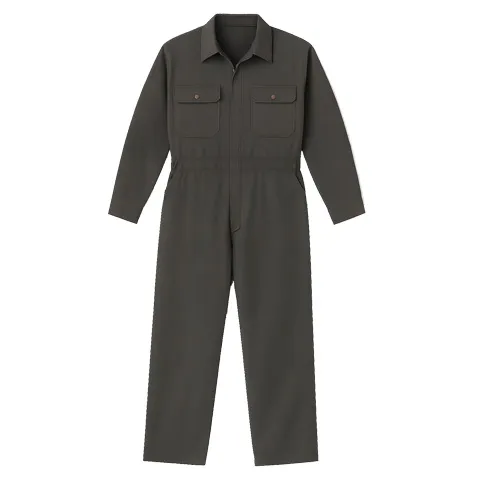
At DOMEX SAFETY, we provide EN 13034 PB [6] certified FR and IFR garments, including:
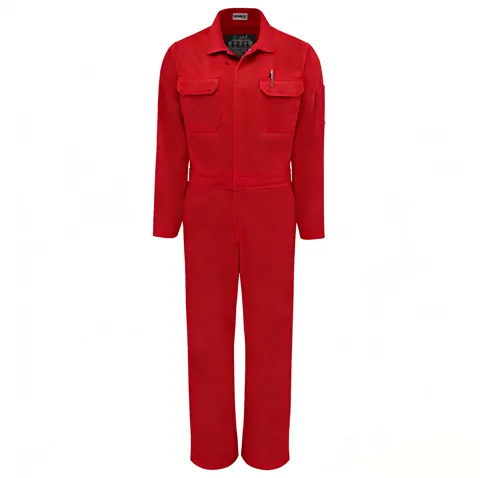
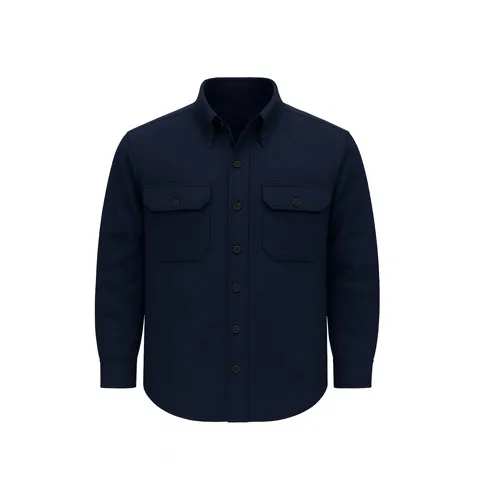
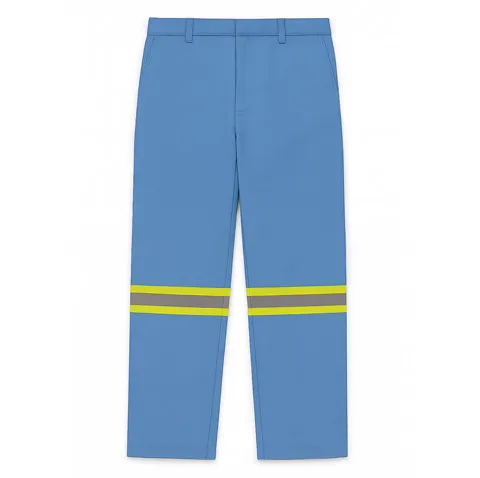
Coveralls, jackets, and trousers for splash protection
Layered solutions for dual chemical and flame protection
Multi-standard garments compliant with EN ISO 14116 Index 3, EN ISO 11612, EN 1149, NFPA 2112, ASTM F1506, and IEC 61482
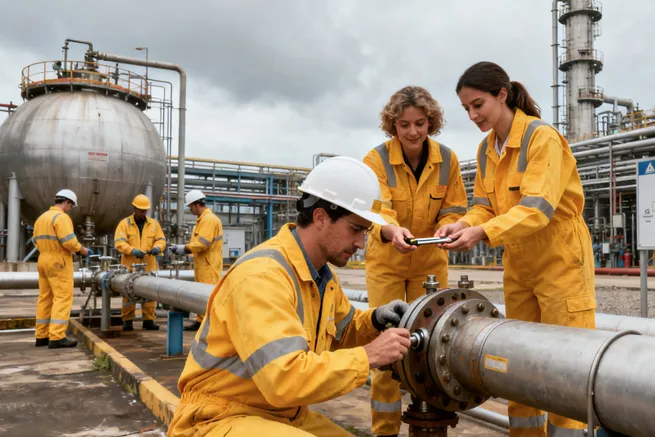
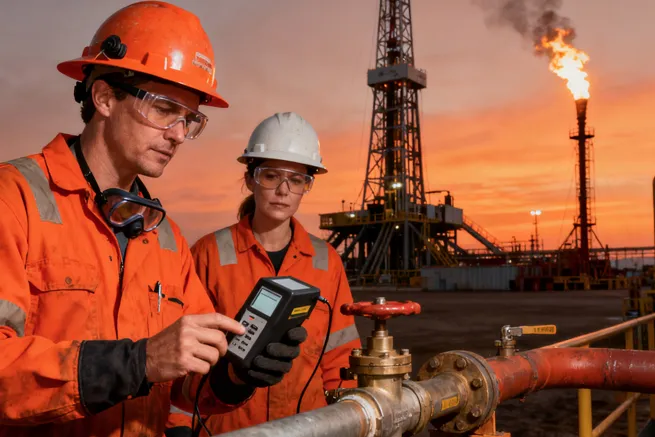
Our garments are designed for maximum safety, comfort, and compliance in chemical, oil & gas, petrochemical, and industrial environments.
EN 13034 PB [6] protection combines testing, design, and functionality to deliver garments that protect workers from liquid chemical splashes. Pairing PB [6] certified garments with FR or IFR workwear ensures a layered safety system, providing maximum protection, comfort, and compliance.
Explore DOMEX SAFETY's EN 13034 PB [6] certified garments at DOMEX SAFETY and safeguard your workforce with dual-hazard protection.