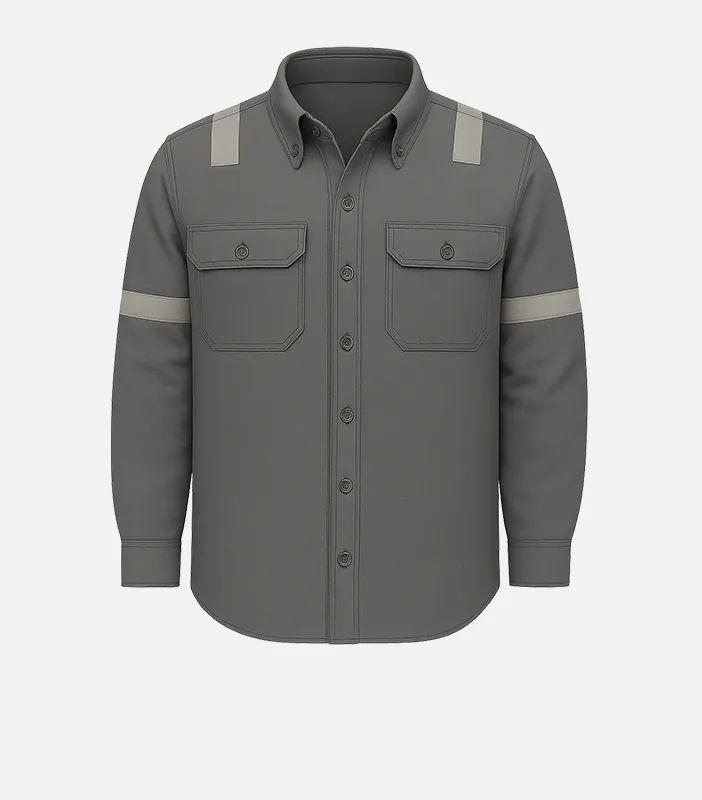
Selecting the right arc flash personal protective equipment (PPE) is essential for protecting electrical workers from one of the most severe industrial hazards-the electrical arc flash. Without proper...
Choosing the right flame-resistant (FR) workwear is more than picking a style — it’s about matching protection to real workplace hazards, ensuring long-term performance, and keeping workers safe and...
Choosing the right protective clothing isn’t just about picking what looks rugged — it’s about evaluating hazards, standards, performance, and long-term value. Whether you’re managing safety gear ...
Protective clothing like flame-resistant shirts, arc flash coveralls, and high-visibility gear from DOMEX Safety is engineered to protect workers from serious hazards in industrial settings. But even ...
Flame-resistant (FR) workwear like shirts, pants and coveralls from DOMEX Safety is engineered to protect workers from heat, flame and flash fire hazards in high-risk industrial environments. However,...
When investing in flame-resistant (FR) protective clothing such as flame-resistant shirts, coveralls, or jackets from DOMEX Safety, it’s not just about flame protection — color and fit durability ma...
Garment performance does not end after production — it is proven over time through washing and daily use. For industrial workwear, shrinkage control and color stability are critical factors that affe...
Shrinkage is one of the most overlooked risks in protective clothing. After repeated industrial washing, poorly designed garments can lose their fit, comfort, and even safety performance. ISO 15797 pl...
Protective workwear is only effective if it maintains performance throughout its service life. In industrial environments, garments face frequent laundering, harsh conditions, and daily wear. Understa...
Outdoor industrial workers face more than one hazard at a time. Intense sunlight, fire and heat risks, and low-visibility conditions often exist simultaneously. Relying on single-function clothing is ...
Outdoor industrial workers face more than just heat and mechanical risks — long-term UV exposure is a serious health hazard. Standards such as EN 13758-1 and AS/NZS 4399 define how protective clothin...
Choosing arc flash PPE is not about guessing or over-protecting — it is about matching protection to real electrical risk. NFPA 70E is the most widely used standard for electrical safety in the workp...
 English