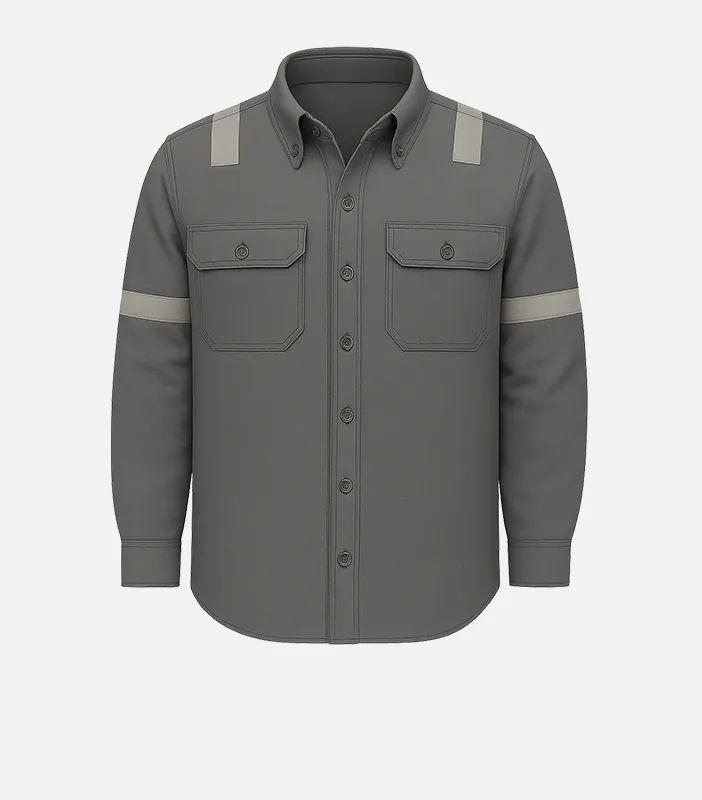
Industrial workwear faces extreme conditions every day — heat, abrasion, chemicals, and heavy use. But one factor often overlooked is industrial washing, which can rapidly degrade garments that lack ...
High-performance workwear doesn't start with stitching or design—it starts with fabric testing. Two of the most important standards that determine fabric durability, color stability, and long-ter...
When choosing industrial workwear—especially flame-resistant, anti-static, or arc-rated garments—shrinkage after repeated industrial laundering is a critical performance indicator. ISO 15797 provide...
As outdoor industries face stronger UV exposure and rising heat levels, choosing the right UV-protective workwear has become more critical than ever. The fabric behind the garment determines how well ...
1. Why UV Protection Matters for Outdoor WorkersOutdoor workers—especially in construction, oil & gas, utilities, and agriculture—are exposed to long hours of direct sunlight. UV radiation can c...
Your must-read roadmap for choosing compliant, durable & high-performance FR PPE.1. Why FR Clothing Matters More Than Ever in 2026With rising safety standards and stricter compliance requirements ...
High-visibility (hi-vis) clothing becomes even more critical during night operations, where low light dramatically reduces worker visibility. Whether in roadwork, utilities, construction, mining, or e...
High-visibility clothing isn’t just a requirement—it’s a lifesaving layer of protection for workers in construction, roadwork, mining, utilities, and industrial sites. To ensure garments deliver re...
High-visibility (hi-vis) clothing is more than a requirement—it's one of the most effective ways to prevent workplace accidents. Whether in construction, road work, utilities, logistics, or indus...
Static electricity is a hidden risk in industrial workplaces, especially in oil & gas, chemical plants, and manufacturing facilities. Choosing the right anti-static fabric is essential for prevent...
Industrial worksites—especially oil & gas, chemical plants, utilities, and manufacturing—require more than just “protective clothing.” Two of the most essential categories are anti-static clot...
Static electricity may seem harmless—but in oil & gas environments, a single spark can trigger catastrophic fires or explosions. That’s why anti-static protection isn't optional; it's a ...
 English