English
Outdoor industrial workers face more than one hazard at a time. Intense sunlight, fire and heat risks, and low-visibility conditions often exist simultaneously. Relying on single-function clothing is no longer enough. Outdoor multi-hazard PPE combines UV protection, flame resistance, and high visibility to deliver comprehensive protection in real working environments.
This guide explains how these protections work together and which standards matter most.
Outdoor environments expose workers to:
Ultraviolet (UV) radiation from prolonged sun exposure
Flame and heat hazards from industrial processes
Visibility risks in low light, traffic zones, or complex worksites
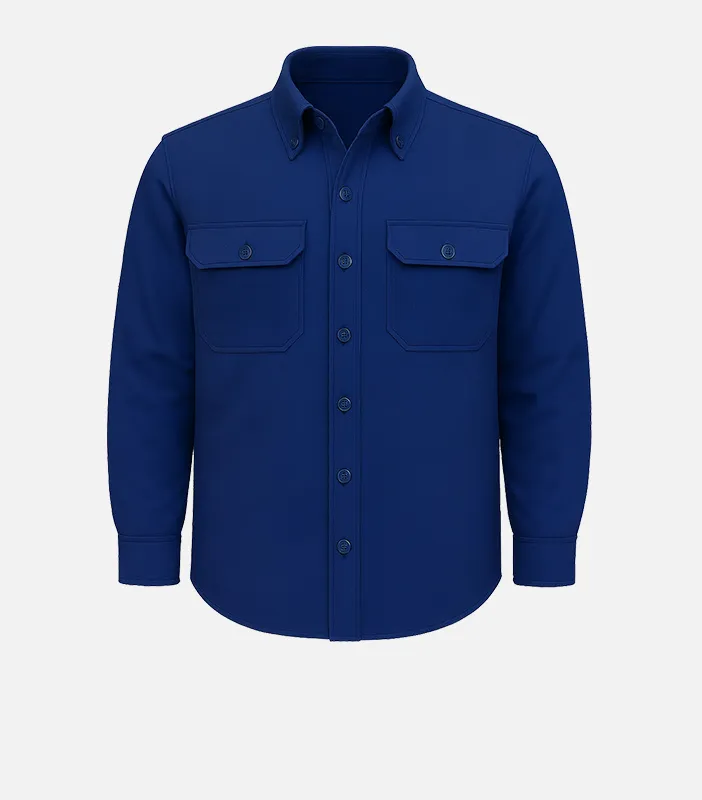
Multi-hazard protective clothing addresses these risks in one integrated solution, improving safety and comfort while simplifying PPE compliance.
UV-protective clothing helps reduce harmful radiation reaching the skin during outdoor work.
Key standards include:
EN 13758-1 – Defines testing and classification for UV-protective fabrics
AS/NZS 4399 – Widely used in high-UV regions, classifying garments by UPF level
UV protection is essential for oil fields, construction sites, mining operations, and utilities.
Outdoor work does not eliminate fire risk. In many industries, flame exposure remains a critical concern.
EN ISO 11612 defines performance requirements for clothing that protects against heat and flame, including limited flame spread and radiant heat.
Flame-resistant garments help reduce burn injuries and are widely required in oil & gas, petrochemical, and industrial maintenance environments.
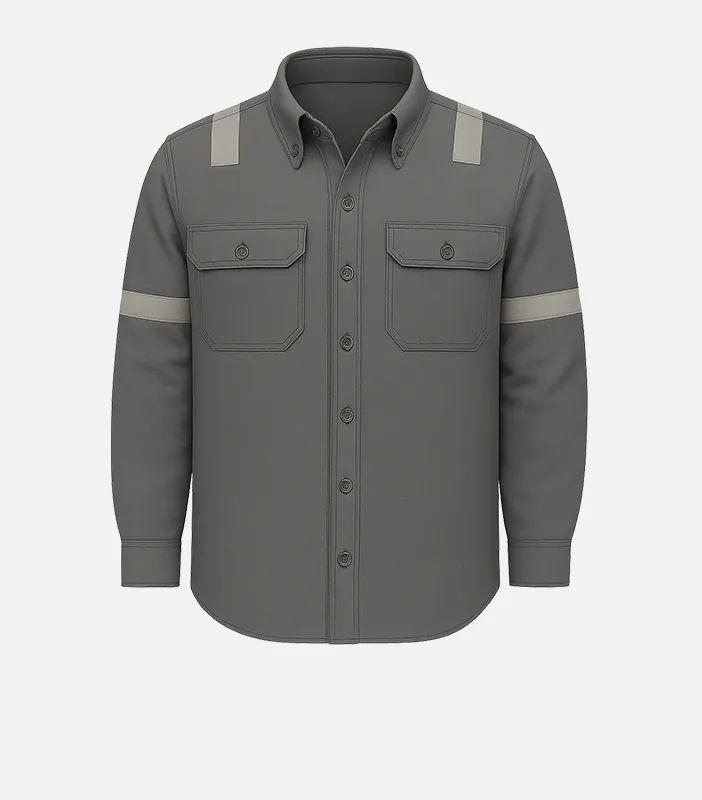
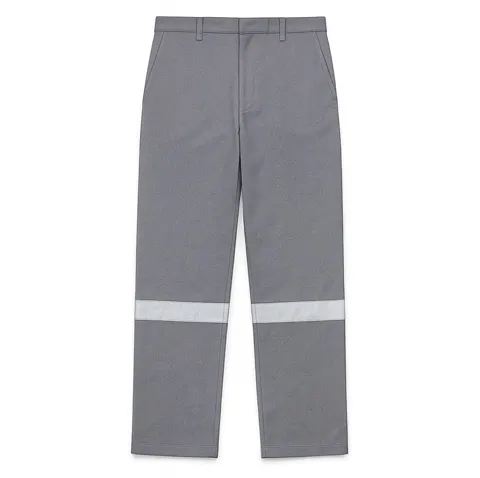
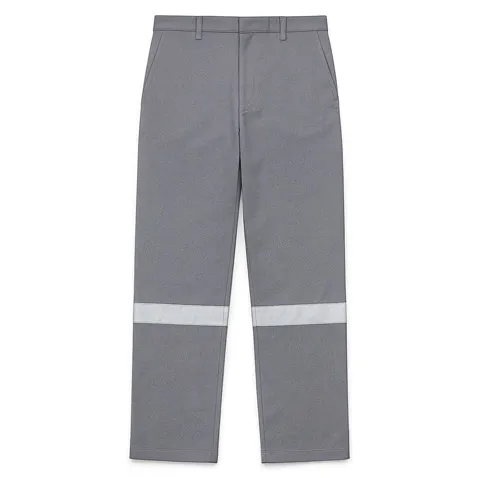
Visibility is a major safety factor in outdoor and traffic-related work. High-visibility clothing helps workers remain clearly visible in daylight, low light, and night conditions.
AS/NZS 1906.4 specifies performance requirements for reflective and fluorescent materials used in warning clothing.
High-visibility features are critical for roadside work, logistics, utilities, and large industrial sites.
Integrating these protections into one garment:
Reduces the need for unsafe layering
Improves worker comfort and mobility
Simplifies PPE selection and compliance
Delivers consistent protection across multiple hazards
Multi-hazard PPE reflects the reality of modern outdoor industrial work.
Oil & gas exploration and production
Construction and infrastructure projects
Mining and quarrying
Utilities and power distribution
Road maintenance and logistics
To maintain performance:
Wear garments correctly and fully closed
Follow recommended washing instructions
Avoid damaging reflective or protective surfaces
Replace garments showing excessive wear or fading
Proper care ensures long-term protection and compliance.
Outdoor work environments demand more than single-purpose protection. By combining UV protection, flame resistance, and high visibility, multi-hazard PPE delivers reliable safety where risks overlap. Selecting compliant garments helps protect workers, reduce incidents, and support strong industrial safety programs.