English
Outdoor industrial workers face more than just heat and mechanical risks — long-term UV exposure is a serious health hazard. Standards such as EN 13758-1 and AS/NZS 4399 define how protective clothing is tested and classified to reduce the harmful effects of ultraviolet radiation.
Understanding these standards helps companies select effective UV-protective workwear for outdoor operations.
Prolonged exposure to ultraviolet radiation can lead to:
Skin damage and premature aging
Increased risk of skin cancer
Reduced comfort and productivity
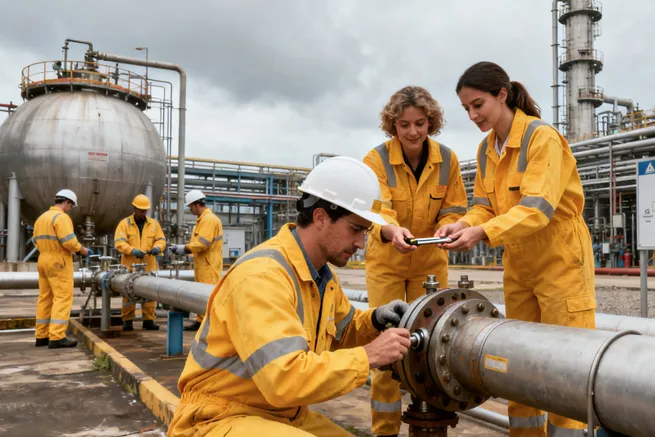
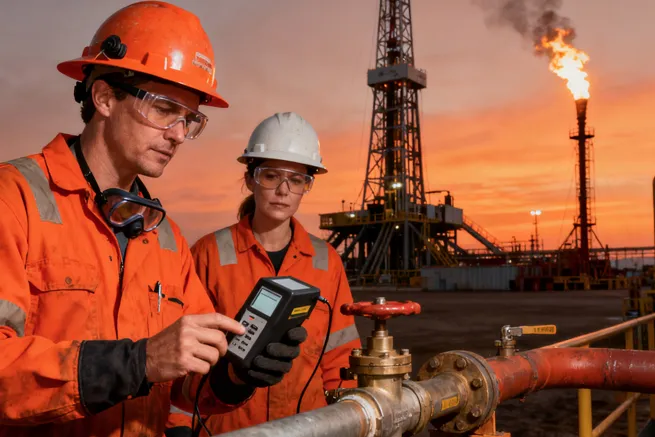
Industries such as oil & gas, construction, mining, utilities, and outdoor maintenance require reliable UV protection as part of a complete PPE strategy.
EN 13758-1 is a European standard that specifies test methods and classification for clothing designed to protect against solar UV radiation. It evaluates the fabric’s ability to block ultraviolet rays and assigns a UPF (Ultraviolet Protection Factor) rating.
Garments meeting this standard help reduce UV exposure during prolonged outdoor work.
AS/NZS 4399 is an Australian and New Zealand standard widely recognized for UV protective clothing performance. It classifies garments into protection levels based on their UPF values and provides clear guidance for selecting appropriate protection in high UV environments.
This standard is commonly referenced in regions with intense sun exposure.
While developed in different regions, EN 13758-1 and AS/NZS 4399 share the same objective:
to ensure clothing provides measurable and reliable UV protection.
Both standards focus on:
Fabric UV blocking performance
Clear UPF classification
Suitability for long-term outdoor use
UV protection is essential for workers in:
Oil fields and offshore operations
Construction and infrastructure projects
Mining and quarrying
Utilities and outdoor maintenance
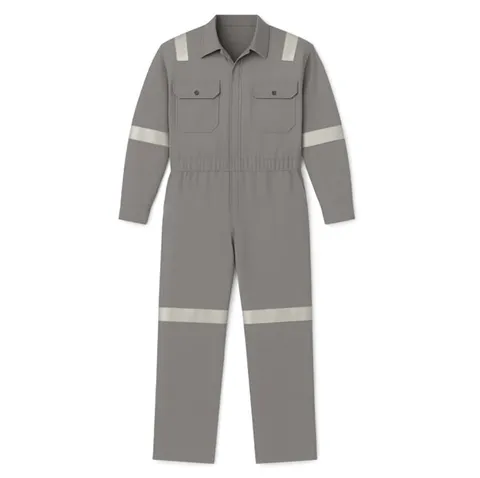
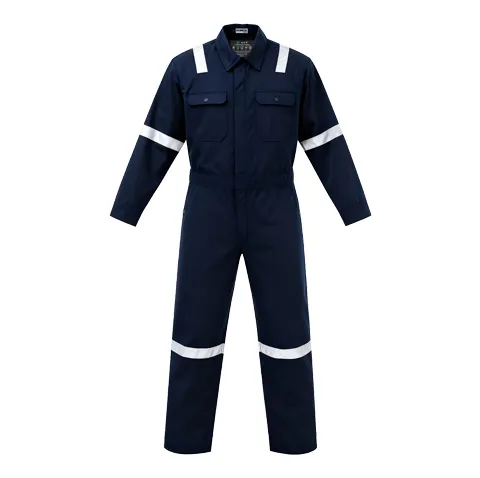
UV-protective clothing is often combined with flame-resistant, anti-static, or high-visibility features for multi-hazard protection.
To maintain UV protection performance:
Follow recommended washing instructions
Avoid excessive fabric wear or damage
Replace garments showing thinning or fading
Proper care helps preserve UV-blocking properties over time.
EN 13758-1 and AS/NZS 4399 provide clear guidance for selecting UV-protective workwear in outdoor industrial environments. Choosing compliant garments helps protect workers’ health, improve comfort, and strengthen long-term safety programs.