English
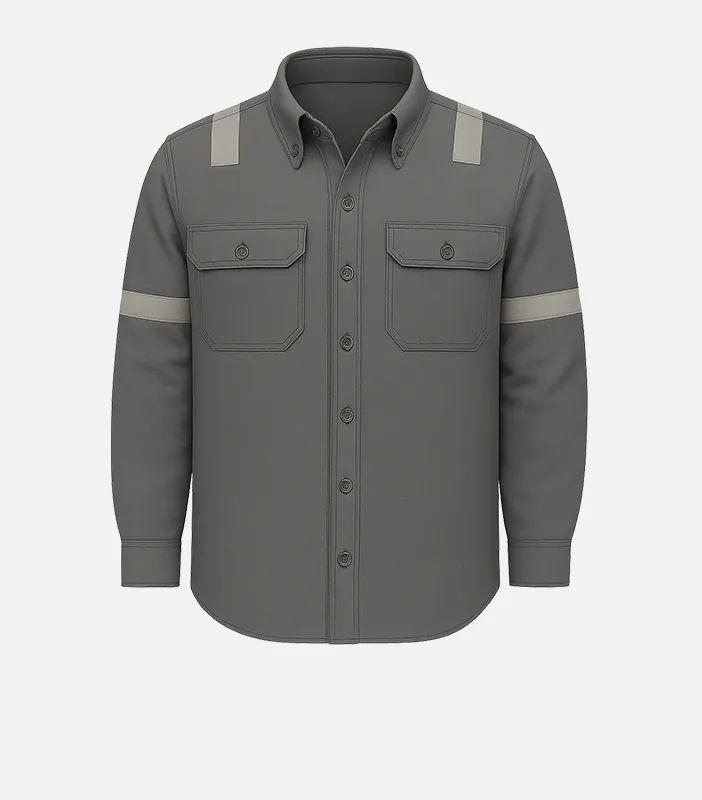
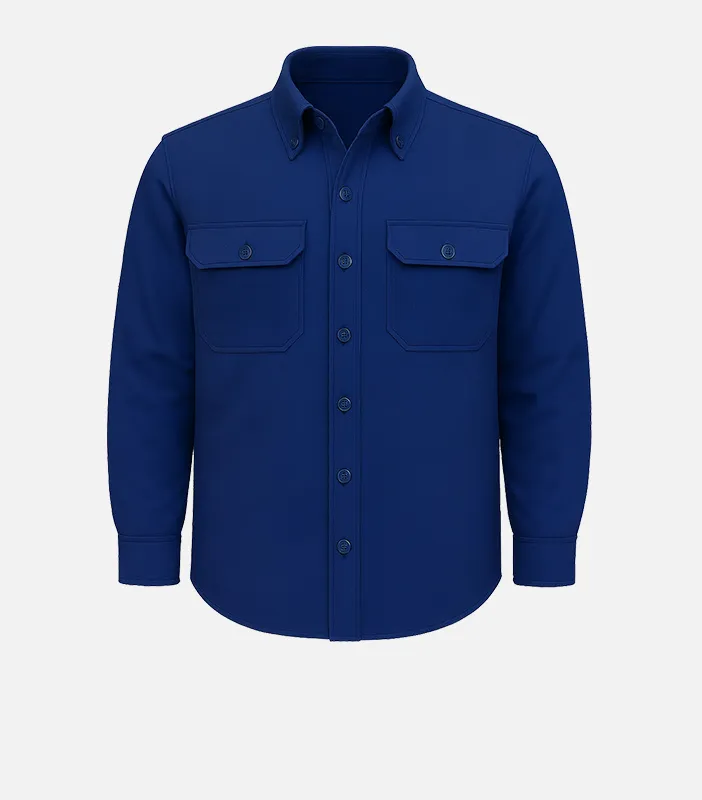
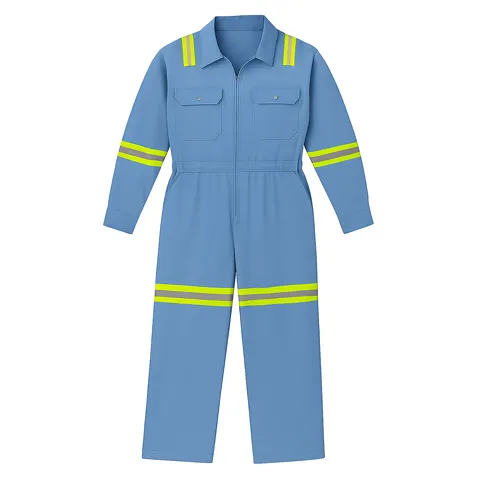
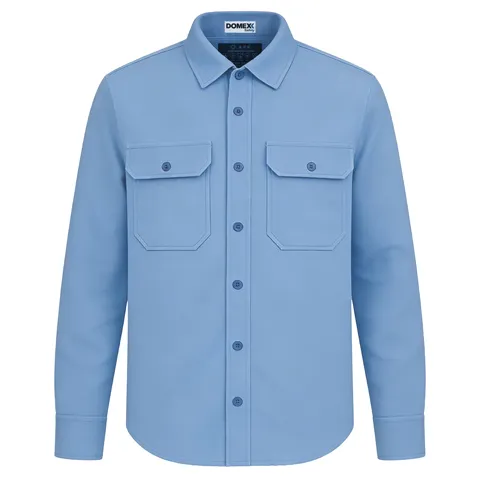
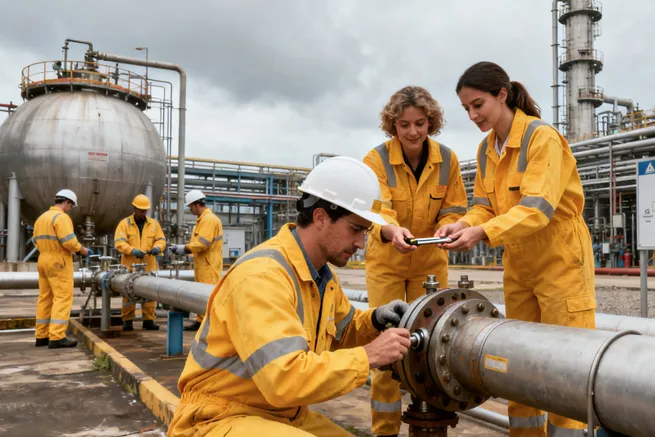
Flame-resistant (FR) workwear like shirts, pants and coveralls from DOMEX Safety is engineered to protect workers from heat, flame and flash fire hazards in high-risk industrial environments. However, even the most advanced protective garments can be affected by how they are cleaned and maintained. Understanding the impact of industrial washing helps preserve safety performance, durability, and comfort over the life of the garment.
Industrial laundering refers to the large-scale washing process used by facilities and commercial launderers. These systems operate with higher temperatures, stronger detergents, and more aggressive mechanical action than home machines. While ideal for cleaning heavily soiled workwear, these conditions can take a toll on protective fabrics over time.
Frequent industrial washing can gradually weaken the flame-resistant properties embedded in treated fabrics. High heat, harsh detergents, and repetitive agitation may reduce the fabric’s ability to self-extinguish and resist ignition.
Tip: Always use detergents formulated for FR workwear and avoid harsh alkaline cleaners or bleach that break down FR treatments.
Industrial laundry processes are powerful and can cause wear and abrasion on fibers over repeated cycles. This can affect the garment’s strength, reduce tear resistance, and shorten overall service life — a concern for daily protective PPE.
Tip: Rotate garments and inspect regularly to catch early wear before it compromises safety.
Many FR garments are designed with controlled shrinkage. However, consistently high industrial washing temperatures can lead to unexpected shrinkage, which may compromise coverage or comfort. A snug fit that has shrunk might not cover underlying layers properly in a hazardous incident.
Tip: Follow manufacturer washing temperature recommendations and choose inherently flame-resistant fabrics when possible.
Industrial detergents can contain strong chemicals that degrade protective finishes or leave residues on fabric surfaces. If FR clothing becomes coated with contaminants — especially oils or flammable residues — its flame performance can be compromised.
Tip: Wash FR garments separately from regular workwear to prevent cross-contamination and use FR-safe washing agents.
To help maintain flame-resistant performance over time:
✔Use FR-specific detergents designed to protect protective fibers.
✔Avoid bleach, fabric softeners, and harsh additives that weaken FR properties.
✔Sort FR garments separately from regular clothing to minimize contamination risk.
✔Follow care instructions from the manufacturer for industrial washing and drying.
✔Inspect garments regularly for excessive wear, damage or shrinkage.
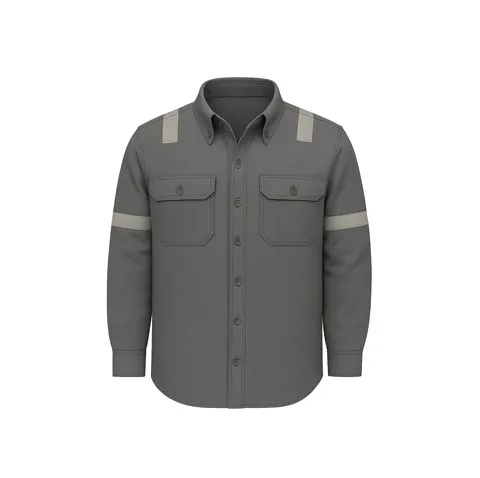
FR protective clothing like the DOMEX Midweight Flame-Resistant Work Shirt is tested and certified to meet key global standards such as NFPA 2112 and EN ISO 11612, designed for real industrial hazards. However, care and laundering directly impact how well these protections perform in the long term. By following proper industrial washing protocols, safety managers ensure that garments continue offering reliable protection and comfort throughout their service life.
Industrial washing is necessary in many workplaces, but it must be done with care. Improper washing practices can reduce flame resistance, cause shrinkage, and shorten garment lifespan — all of which may affect worker safety. Prioritizing correct laundering routines helps maximize both safety and investment in flame-resistant workwear.