English
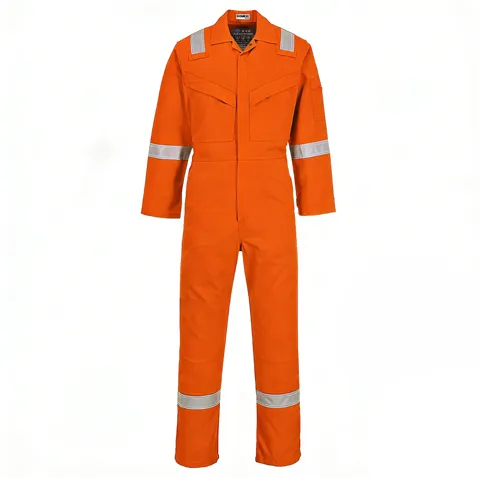
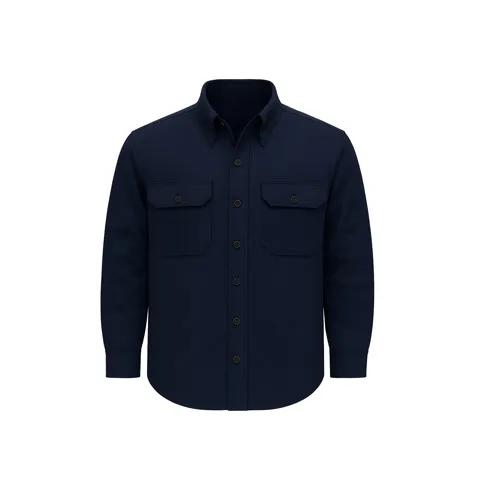
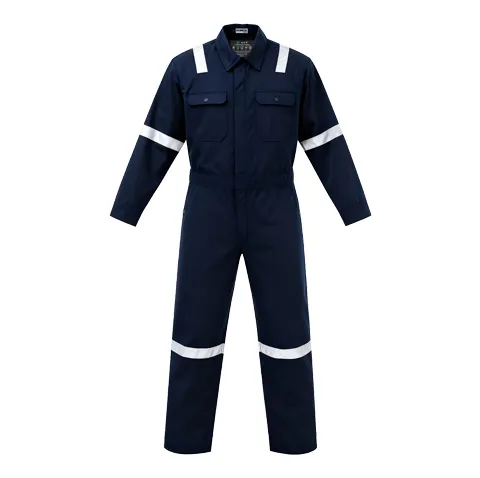
Protective clothing like flame-resistant shirts, arc flash coveralls, and high-visibility gear from DOMEX Safety is engineered to protect workers from serious hazards in industrial settings. But even the most advanced PPE can only do its job if it maintains its protective properties over time — and that’s where industrial laundering tests become absolutely critical.
Industrial laundering tests evaluate how workwear performs after repeated wash cycles under real-world conditions. These tests help ensure that protective clothing continues to deliver safety, comfort, and durability throughout its service life.
Industrial laundering testing simulates the harsh wash conditions found in commercial laundry facilities — including high temperatures, strong detergents, and mechanical action. Unlike home laundering, these conditions better replicate what garments experience on the job.
This type of testing assesses how washing impacts key protective features such as:
Flame resistance
Arc rating
Dimensional stability (shrinkage / fit)
Color fastness
Fabric strength
1. ENSURING FLAME-RESISTANT PERFORMANCE OVER TIME
Protective fabrics must remain self-extinguishing and non-melting even after many washes. Industrial laundering tests verify that flame-resistant garments like those in the DOMEX Safety range continue to meet standards such as EN ISO 11612 or NFPA 2112 after routine cleaning.
2. MAINTAINING ARC FLASH PROTECTION
Arc-rated PPE like arc flash coveralls and jackets must retain thermal protective performance after laundering. Industrial tests confirm whether fabrics and garments hold their arc rating strength through repeated wash and wear.
3. CONTROLLING SHRINKAGE & FIT
Uncontrolled shrinkage can affect coverage and mobility — creating safety risks. Industrial laundering tests measure dimensional change so manufacturers can design garments with shrinkage allowances that help maintain proper fit and coverage.
4. COLOR FASTNESS AND PROFESSIONAL APPEARANCE
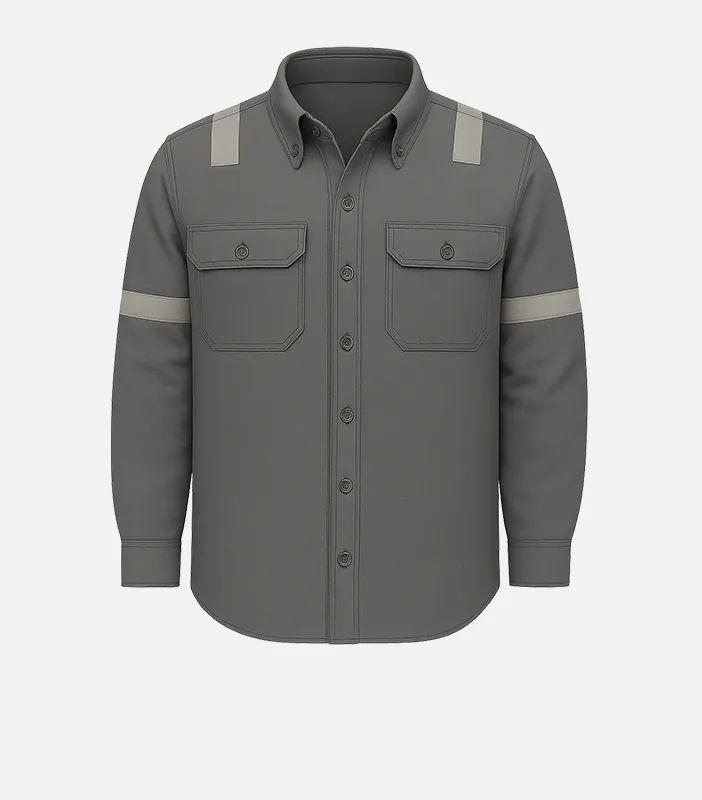
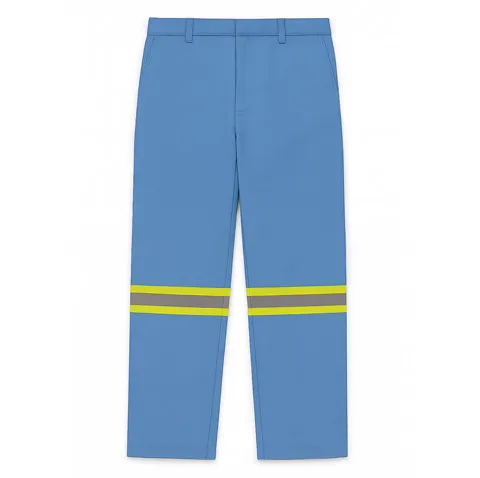
High-visibility and colored workwear must retain brightness and contrast to remain effective and compliant. Laundering tests assess color fastness, ensuring reflective stripes and fabrics stay vibrant over time.
5. FABRIC STRENGTH & DURABILITY
Heavy industrial use combined with frequent laundry cycles can weaken fabric fibers. Industrial laundering testing checks for fabric integrity, tear resistance, and overall durability, so workers can rely on PPE day after day.
DOMEX Safety protective clothing is manufactured with long-term performance in mind. Our flame-resistant, arc flash, anti-static, and high-visibility products are designed to withstand the demands of industrial environments — including repeated laundering — while maintaining protective properties and comfort.
To help extend the protective and functional life of workwear:
Follow the manufacturer’s laundering instructions
Avoid bleach and harsh fabric softeners
Sort protective garments separately from regular laundry
Inspect for wear, shrinkage, or fading regularly
Replace garments once they no longer meet performance criteria
Proper laundering helps maintain PPE compliance and keeps workers safe on the job.
Industrial laundering tests are far more than quality checks — they are safety validations that confirm protective clothing will perform when it matters most. By understanding and insisting on garments tested for industrial laundering, companies can enhance PPE reliability, reduce replacement costs, and strengthen workplace safety programs.