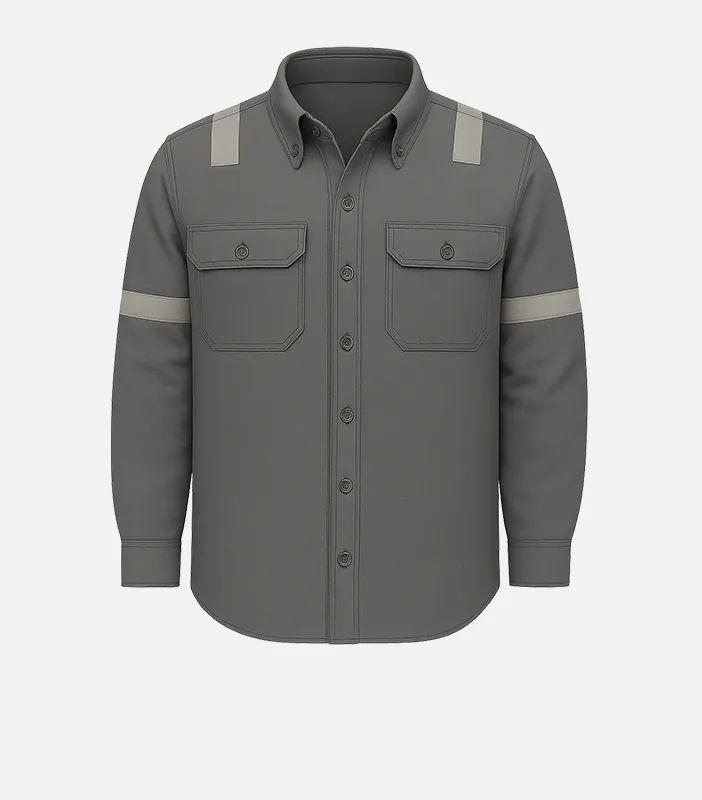
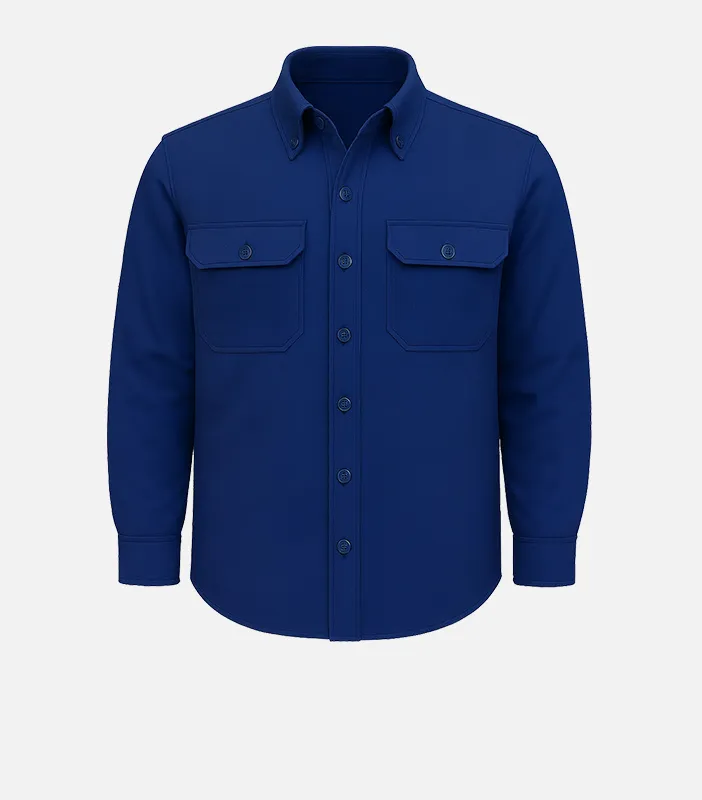
When it comes to protecting workers from arc flash hazards, not all coveralls are built the same. Both budget and premium options claim compliance—but the differences in fabric quality, durability, a...
In today’s industrial environments, workers often face multiple hazards — electrical arcs, flash fires, and thermal exposure. That’s why many companies now rely on Dual Hazard PPE, which offers bot...
When it comes to arc flash protection, safety isn’t just about resisting heat and flame — it’s also about keeping workers comfortable and focused. That’s where breathability makes a critical diffe...
If you’ve ever checked the label on an arc flash garment, you’ve likely seen the terms ATPV or EBT — sometimes used interchangeably, but they mean different things. Both values are critical in dete...
When it comes to electrical safety, testing determines trust. Every certified arc flash garment must prove it can withstand extreme thermal energy without igniting, melting, or breaking open. But how ...
If you work around energized electrical systems, chances are your safety gear carries a CAT 2 arc flash rating. But what exactly does that mean—and why is it the most common level in workplaces today...
When it comes to arc flash protection, numbers matter. One of the most important indicators printed on an arc-rated garment label is ATPV — the Arc Thermal Performance Value. But what does it mean wh...
Arc flash protective clothing is designed to save lives, but even the most durable garments have limits. Understanding how many wash cycles your arc-rated (AR) and flame-resistant (FR) garments can en...
In high-risk environments, your arc flash coverall is your last line of defense. But what happens when it’s torn, burned, or worn out? Knowing when to repair or replace your protective clothing is ke...
When it comes to arc flash protective clothing, proper maintenance is just as important as design and certification. Industrial laundering—common in oil & gas, utilities, and manufacturing—can e...
Outdoor industrial work often exposes employees to rain, wind, and harsh weather conditions. Ensuring their safety and comfort requires workwear certified to EN 343 Class 3:1 X, the international stan...
In industrial workplaces, employees often face multiple hazards simultaneously, including fire, heat, and chemical splashes. To ensure maximum safety, some FR and IFR garments are designed to meet bot...
 English