English
When it comes to electrical safety, testing determines trust. Every certified arc flash garment must prove it can withstand extreme thermal energy without igniting, melting, or breaking open. But how exactly are these protective clothes tested before they reach the field?
Arc flash testing evaluates how a fabric or full garment performs under simulated arc conditions. The goal is to identify how much incident energy (cal/cm²) the material can resist before there’s a 50% chance of a second-degree burn. This value is known as the Arc Thermal Performance Value (ATPV) or Energy Breakopen Threshold (EBT).
Two global testing methods define arc flash protection:
ASTM F1959 / F1959M – The U.S. standard for determining a fabric’s arc rating (ATPV or EBT).
IEC 61482-1-1 – The international equivalent test method for open-arc exposure.
IEC 61482-2 – Specifies the performance requirements for protective clothing used in live-working environments.
These standards ensure consistency, allowing workers and employers to compare products confidently across brands and regions.
During the test, multiple fabric panels are exposed to controlled electrical arcs.
Sensors record the heat energy transmitted through the fabric.
The data is analyzed to determine the ATPV or EBT rating.
Higher values mean stronger protection — for example, 8 cal/cm² equals CAT 2, while 40 cal/cm² qualifies as CAT 4 under NFPA 70E.
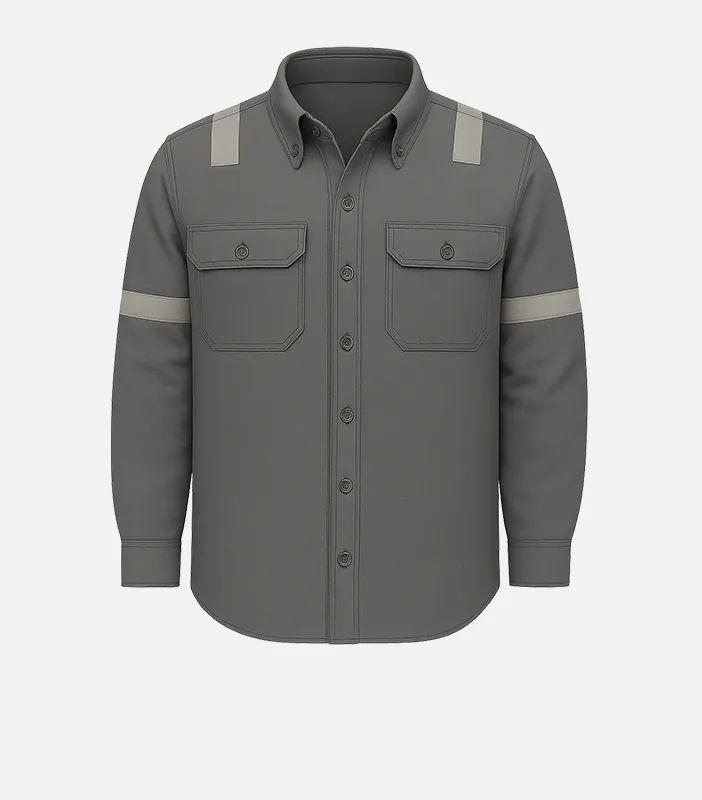
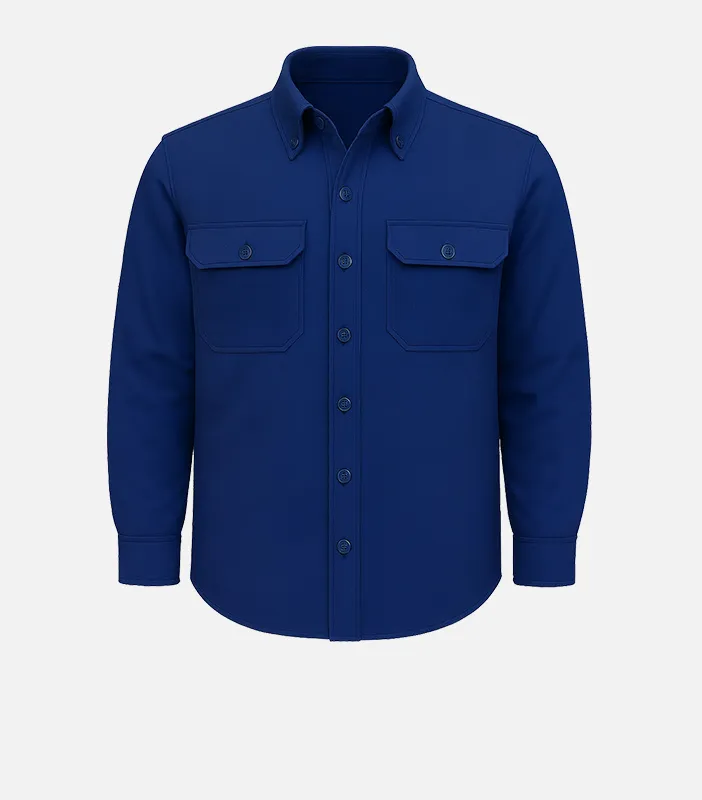
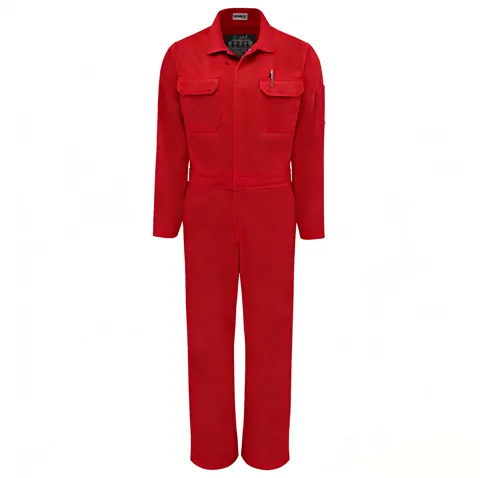
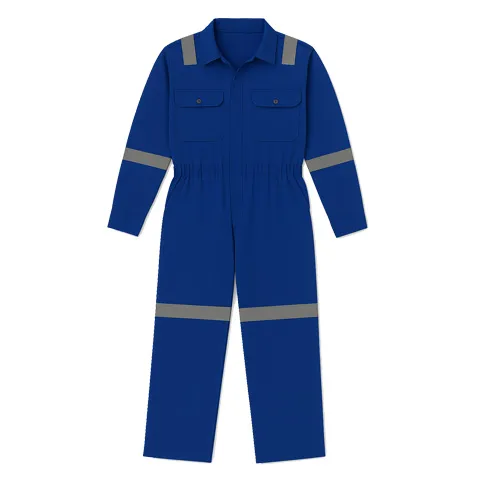
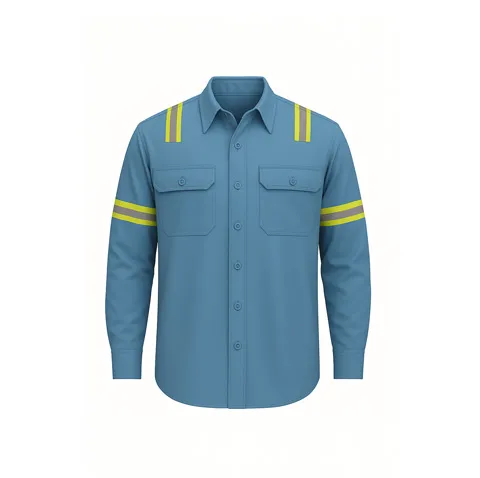
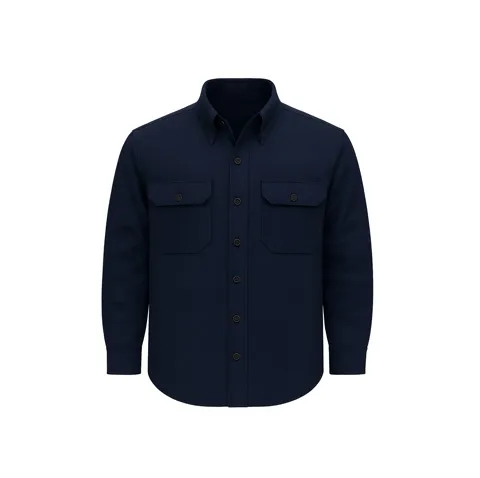
While fabric testing is critical, whole-garment testing verifies seam integrity, closures, and fit under stress. Poor stitching or metal fasteners can fail during an arc event. That’s why certified manufacturers must meet both fabric and design compliance under EN ISO 11612 and NFPA 70E.
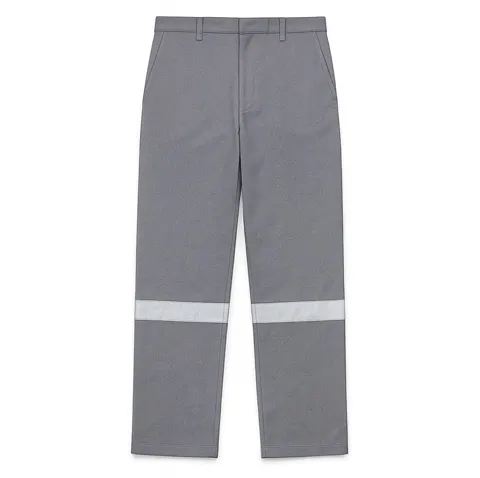
At DomexSafety.com, every arc flash shirt, pant, and coverall is rigorously tested to meet or exceed EN ISO 11612, EN 1149-5, and NFPA 70E standards. Our commitment to verified protection ensures that workers worldwide stay safe, comfortable, and compliant in every environment.