English
When it comes to arc flash protection, numbers matter. One of the most important indicators printed on an arc-rated garment label is ATPV — the Arc Thermal Performance Value. But what does it mean when your clothing shows ATPV ≥ 8 cal/cm²? Let’s break it down.
ATPV (Arc Thermal Performance Value) measures how much thermal energy a fabric can withstand before a 50% chance of causing second-degree burns.
It’s expressed in calories per square centimeter (cal/cm²) — the higher the number, the greater the protection. In practical terms, the ATPV rating helps safety professionals determine whether a garment is suitable for specific electrical hazard levels.
Arc ratings are determined through testing in accordance with ASTM F1959 / IEC 61482-1-1.
An ATPV of 8 cal/cm² or higher indicates the garment can protect the wearer from an arc flash producing up to 8 calories of thermal energy per square centimeter — roughly equivalent to Category 2 (CAT 2) protection under NFPA 70E.
This rating is suitable for workers in industries such as:
Electrical utilities and power distribution
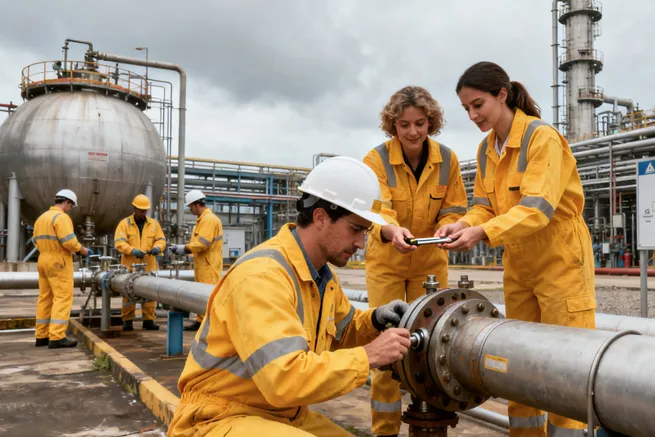
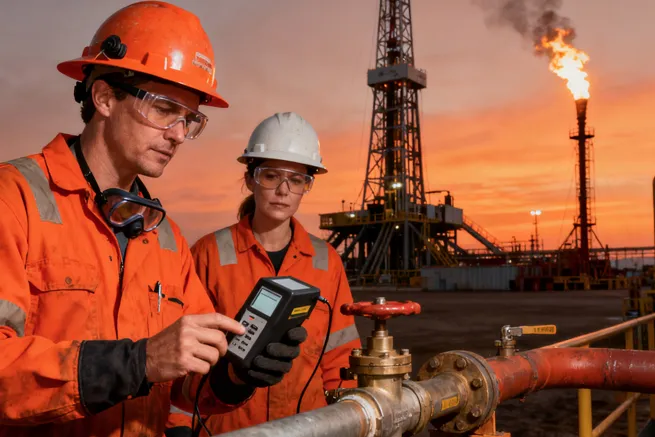
Oil & gas maintenance
Manufacturing and industrial facilities
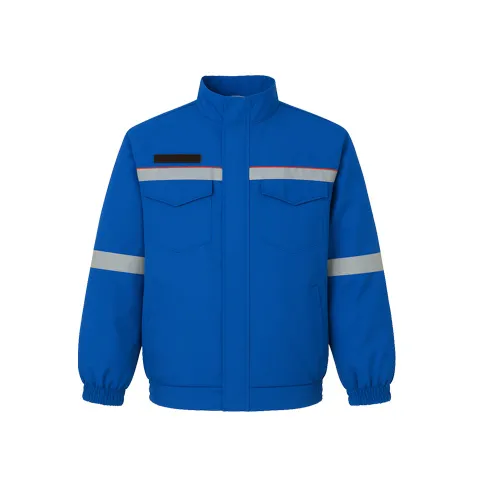
In colder environments or outdoor operations, workers may require insulated options such as an arc flash winter jacket that still meets the same arc-rated protection requirements.
Wearing a garment with the proper arc rating ensures your clothing won’t ignite, melt, or break open when exposed to an electrical arc. It’s the key to meeting compliance requirements like NFPA 70E, EN ISO 11612, and EN 61482, and most importantly, protecting against serious injury.
Arc-rated fabrics retain protection only when properly maintained.
Wash at ≤ 60 °C with neutral detergent
Avoid bleach, fabric softeners, and high dryer heat
Replace garments that are thin, torn, or label-faded
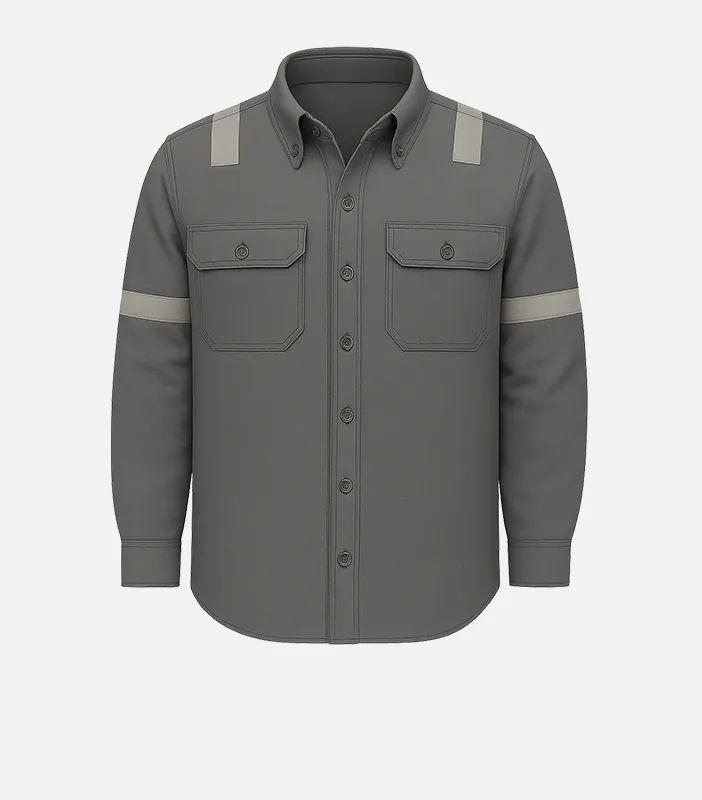
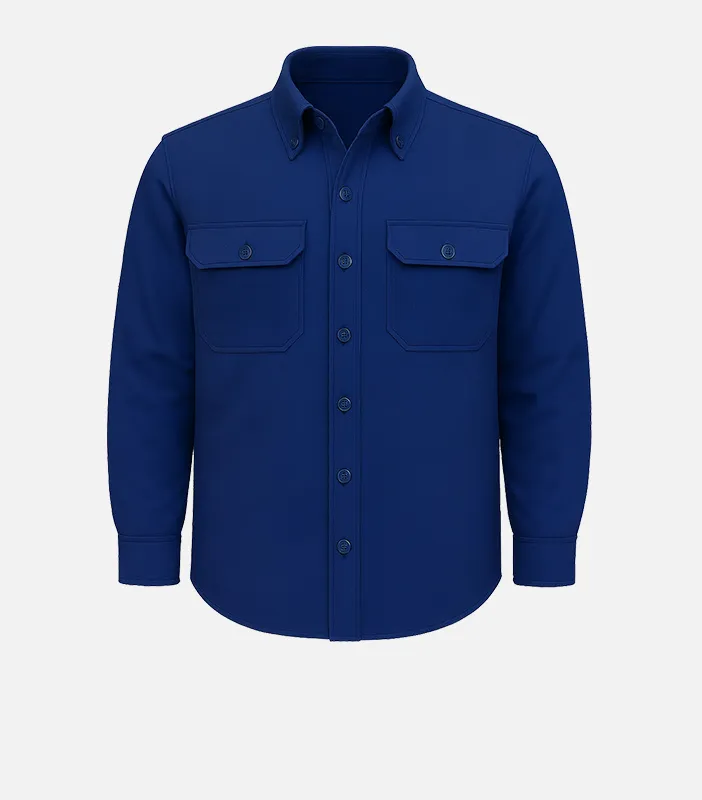
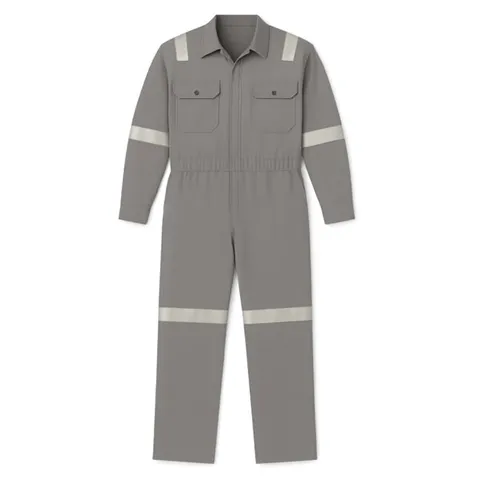
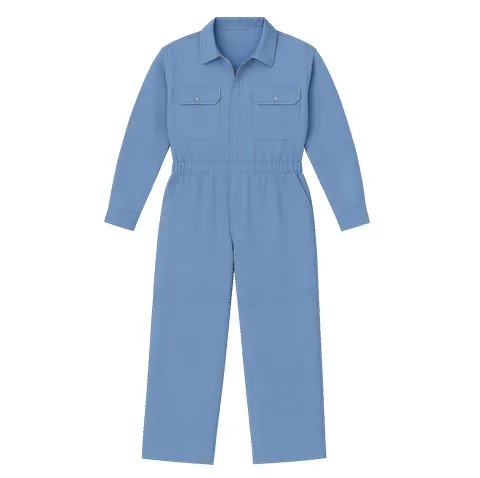
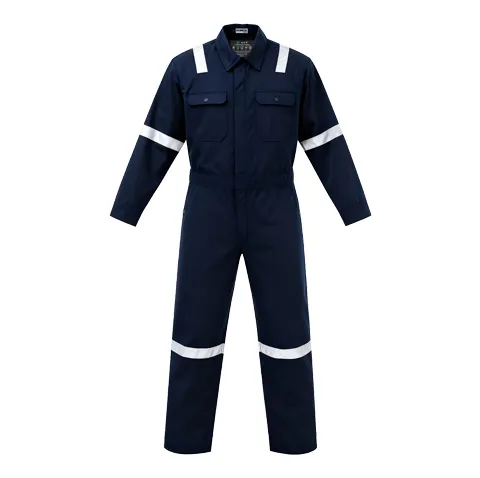
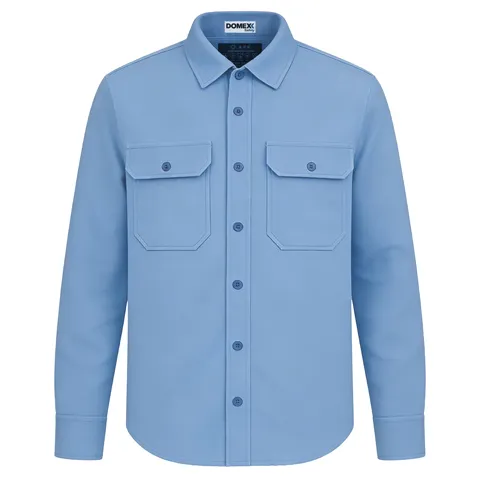
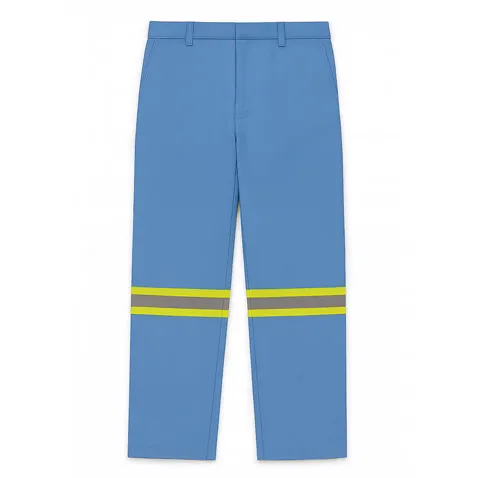
At DomexSafety.com, our arc flash shirts, pants, and coveralls are engineered and tested to deliver ATPV ≥ 8 cal/cm² and beyond.
For distributors and contractors sourcing certified PPE through safety workwear wholesale channels, our garments provide reliable compliance with EN ISO 11612, EN 1149-5, and NFPA 70E standards—ensuring long-term protection, comfort, and peace of mind for frontline workers.