English
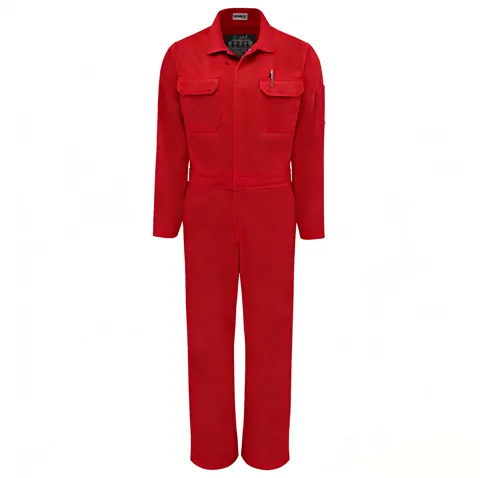
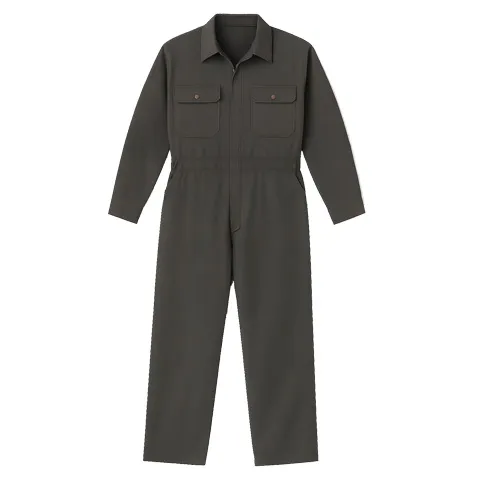
In high-risk environments, your arc flash coverall is your last line of defense. But what happens when it’s torn, burned, or worn out? Knowing when to repair or replace your protective clothing is key to staying compliant—and safe.
Even minor damage can compromise protection. A small tear, melted spot, or weakened seam may allow heat or flame to reach your skin during an arc event. According to NFPA 70E and EN ISO 11612, garments must maintain their original protective integrity—once that’s lost, compliance is gone too.
Some repairs are allowed, but only under strict conditions:
Use the same flame-resistant (FR) fabric and FR thread as the original garment.
Repairs must not reduce protection, alter fit, or cover safety labels.
All repairs should be performed by qualified personnel familiar with FR garment standards.
If repairs are cosmetic or minor—like stitching a seam or replacing a zipper with FR hardware—repairing is acceptable.
Replace your coverall if you notice:
Burn holes, deep cuts, or melted fabric
Faded or unreadable safety labels
Fabric thinning from repeated industrial washing
Contamination by oil, chemicals, or flammable substances
When in doubt, replace rather than risk failure—safety gear is cheaper than injury downtime.
Inspect before and after each shift
Follow care guidelines (avoid bleach, use neutral detergents)
Partner with certified FR laundering services
Keep a replacement schedule based on wear cycles or 50 industrial washes
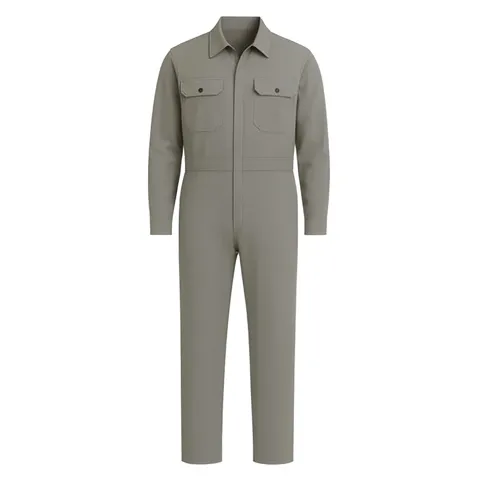
At DomexSafety.com, our arc flash coveralls are engineered for durability, repairability, and long-term compliance. All garments meet EN ISO 11612, EN 1149-5, and NFPA 70E standards—ensuring your team stays protected, wash after wash.