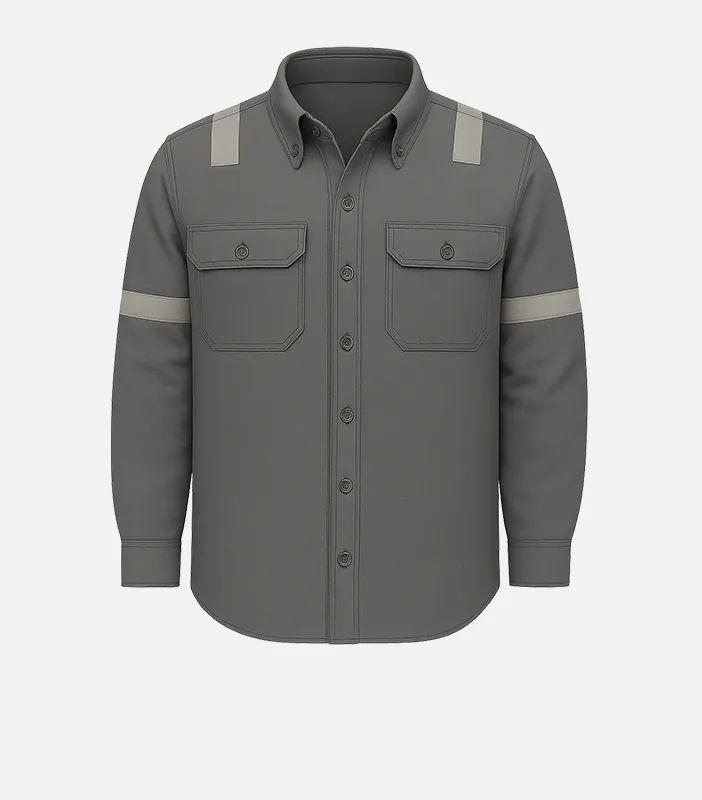
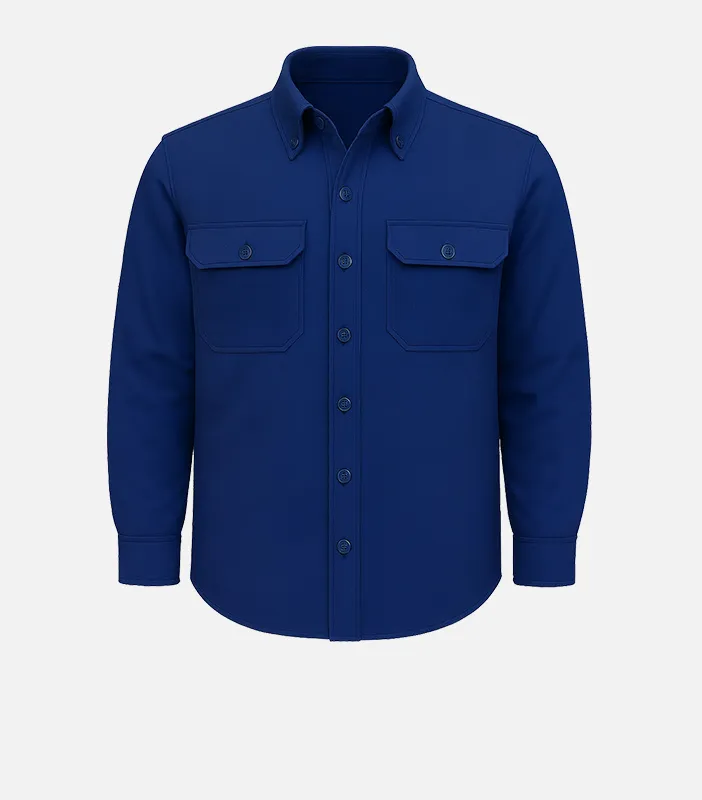
In many industrial environments, workers face serious hazards such as flash fires, arc flashes, and high-temperature exposure. Standard clothing can ignite quickly and continue burning, increasing the...
When investing in flame-resistant (FR) protective clothing such as flame-resistant shirts, coveralls, or jackets from DOMEX Safety, it’s not just about flame protection — color and fit durability ma...
Modern industrial workplaces rarely involve just one type of hazard. Heat, flames, static electricity, electrical arc flash, and low-visibility conditions often exist at the same time. Multi-hazard pr...
The oil and gas industry operates in some of the most hazardous environments in the world. Flammable gases, vapors, and combustible dust are often present, making static electricity a serious safety r...
FRC Shirts Are an Essential Piece of Equipment for Industrial WorkersIn high-risk working environments, safety is not optional—it is the foundation of productivity and trust. FRC shirts, or flame-res...
It’s a common assumption in industrial safety: if a fabric has excellent flame-resistant (FR) performance, it must also provide superior arc flash protection. However, while both are related to heat ...
Arc flash protection starts with the fabric itself. While design and layering matter, the fabric’s ability to resist ignition, insulate against heat, and self-extinguish determines how well it protec...
As industrial safety evolves, so does the technology behind arc flash workwear. Once focused purely on protection, today’s CAT 2 and higher-rated PPE is becoming smarter, lighter, and more comfortabl...
When regulatory inspectors arrive, arc flash compliance isn’t optional — it’s a legal and safety requirement. Arc flash coveralls play a central role in proving that your company meets both industr...
Selecting the right arc flash PPE isn’t guesswork—it’s a science based on careful risk assessment. Safety managers must match protective clothing to the energy level of the task at hand to ensure c...
Even the best arc flash PPE is ineffective if workers don’t wear it properly. Proper training is essential to ensure every employee understands how to use, maintain, and trust their protective gear. ...
When it comes to arc flash protection, misinformation can be dangerous. Workers and managers often rely on outdated assumptions that put safety—and compliance—at risk. Let’s clear up some of the mo...
 English