English
Industrial worksites—especially oil & gas, chemical plants, utilities, and manufacturing—require more than just “protective clothing.” Two of the most essential categories are anti-static clothing and flame-resistant (FR) clothing.
Although often mentioned together, they serve completely different safety functions. Choosing the wrong one can expose workers to serious risks.
This quick guide explains the difference and helps you choose the right PPE for your workplace.
Anti-static garments are designed to prevent electrostatic charge buildup on the body, reducing the risk of sparks that could ignite flammable gases or dust.
Prevents electrostatic discharge (ESD)
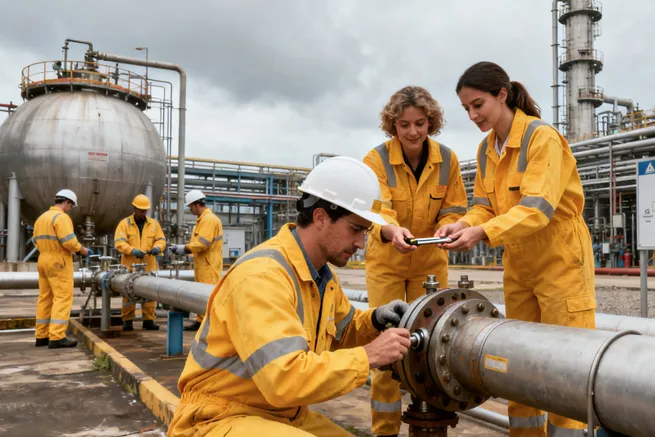
Essential in oil & gas, chemical processing, refineries, explosive zones (ATEX)
Standard reference: EN 1149-5
Core function: Avoid ignition from static electricity.
Flame-resistant clothing is engineered to self-extinguish, resist ignition, and reduce burn injury when exposed to heat, flame, or arc flash.
Protects against thermal hazards
Required for electrical work, arc flash tasks, welding, utilities, and heavy industry
Standards include NFPA 70E, ASTM F1506, EN ISO 11612, IEC 61482-2
Core function: Protect the wearer from heat, flames, and arc flash energy.
Feature | Anti-Static Clothing | Flame-Resistant Clothing |
Main Protection | Static discharge prevention | Heat, flame & arc flash protection |
Risk Type | Explosive environment ignition | Thermal injury, burns |
Standards | EN 1149 | EN ISO 11612, NFPA 70E, ASTM F1506 |
Industries | Oil & gas, chemicals, ATEX zones | Electrical utilities, welding, maintenance |
Important:
Anti-static ≠ FR
FR ≠ Anti-static
They solve different hazards and must be selected based on real workplace risks.
In many high-risk environments—such as oil & gas, petrochemical, refineries, and utilities—the answer is YES.
This is why many garments are designed as:
FR + Anti-Static (Dual Protection)
Such fabrics offer:
Spark prevention
Fire resistance
Arc flash performance
Compliance with international PPE standards
DOMEX Safety specializes in dual-protection garments engineered for complex hazard workplaces.
We provide FR, IFR, and anti-static PPE compliant with:
EN 1149-5 (anti static workwear)
EN ISO 11612
NFPA 70E / ASTM F1506
IEC 61482-2
Our product range includes:
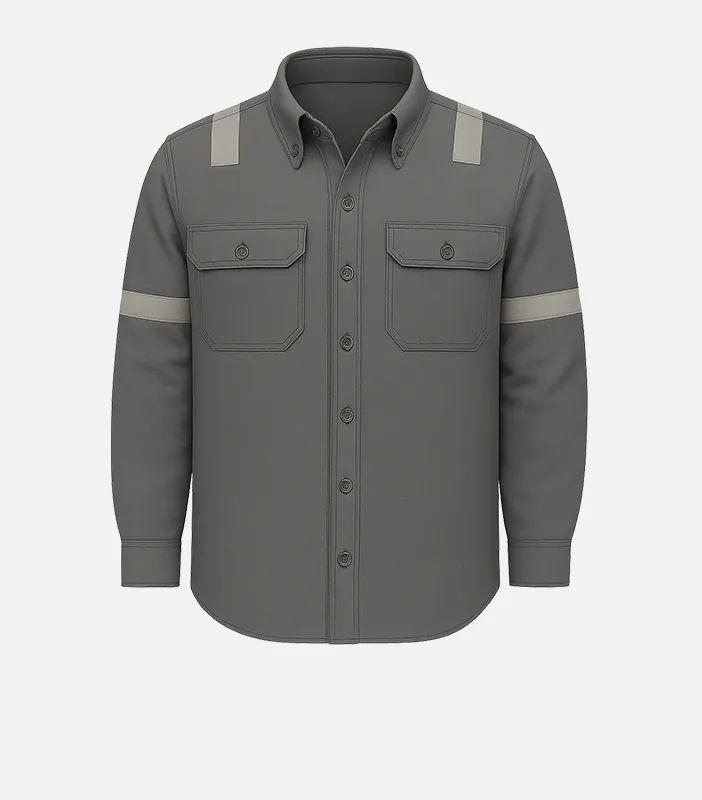
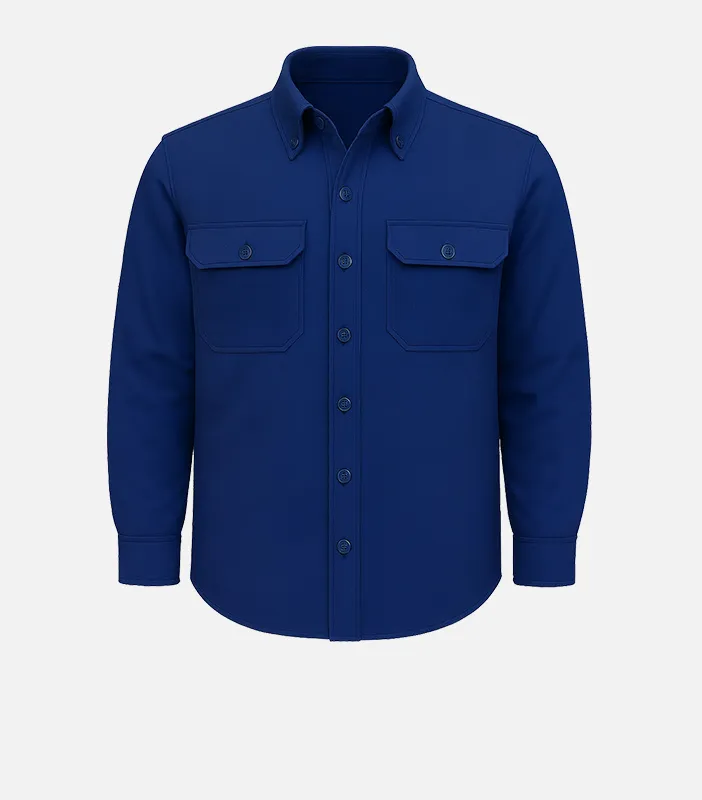
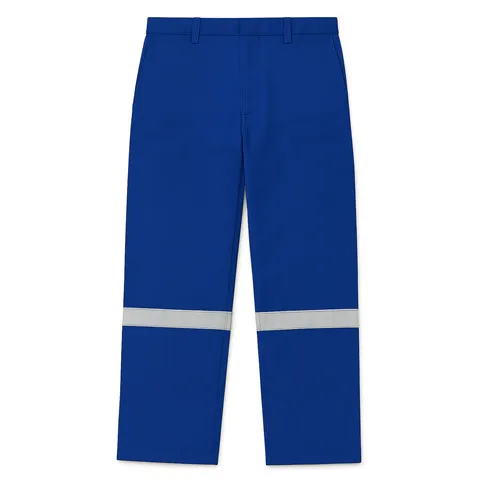
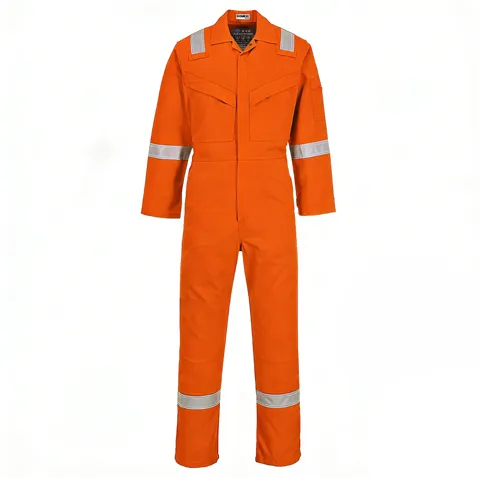
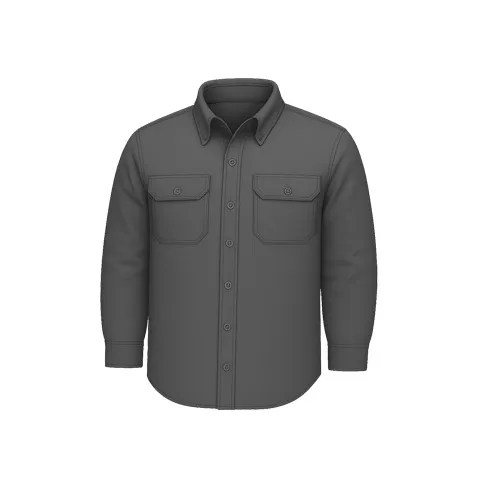
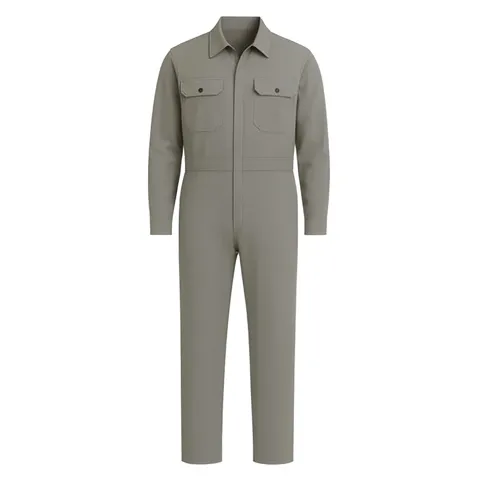
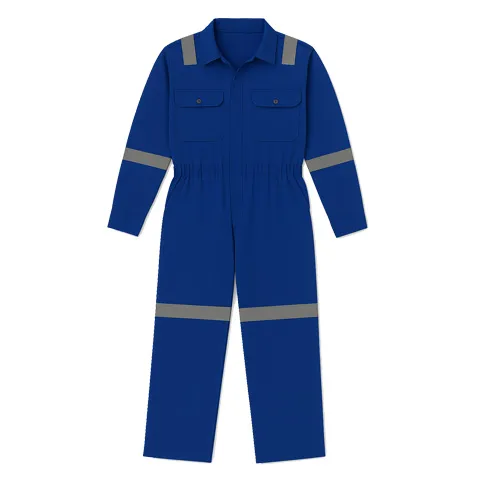
FR/IFR shirts & pants & arc flash apparel clothing
Anti-static & multi-standard workwear
Oil & gas dual-hazard protection garments
Designed for global industrial compliance and trusted by PetroChina, Sinopec, ADNOC, KOC, BP, and more.
For distributors and contractors sourcing through flame resistant clothing wholesale channels, DOMEX Safety delivers certified, reliable PPE solutions.
Choosing the correct PPE depends on understanding your specific hazards:
Static risk? → Anti-static clothing
Heat/arc flash/flame risk? → FR clothing
Oil & gas or chemical sites? → Use both for full protection
Proper PPE selection ensures compliance, reduces risk, and protects your workforce.