English
Static electricity may seem harmless—but in oil & gas environments, a single spark can trigger catastrophic fires or explosions. That's why anti-static protection isn't optional; it's a core safety requirement for anyone working around flammable gases, vapors, or combustible dusts.
In this guide, we explain why anti-static workwear is essential and how compliant garments help reduce life-threatening risks.
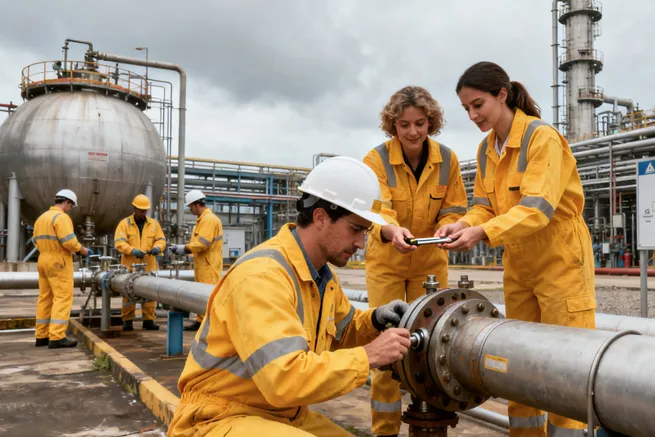
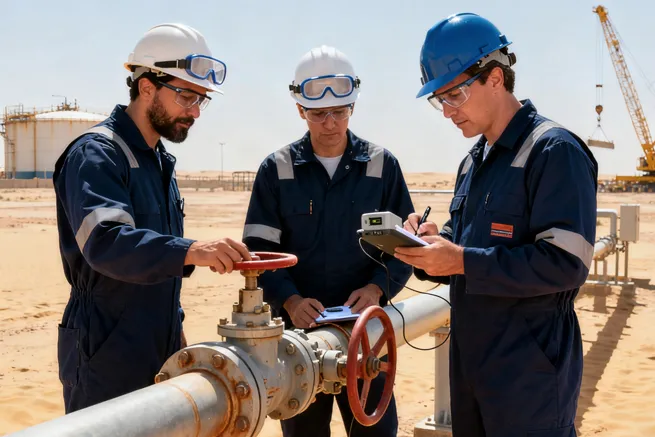
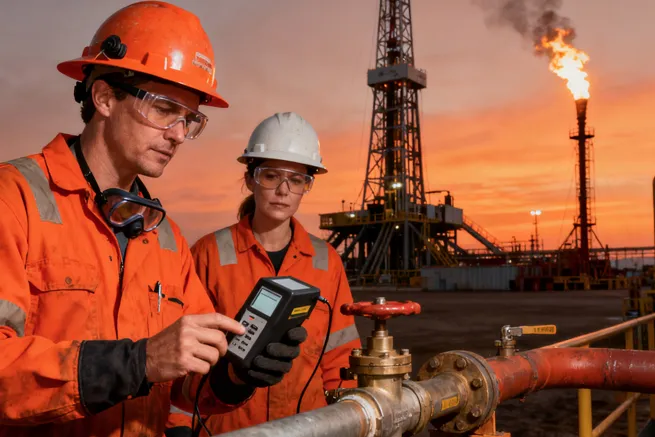
Oil & gas facilities contain highly flammable materials. When workers move, kneel, or remove garments, friction can create electrostatic charges.
If discharged near vapors or chemicals, this tiny spark can ignite instantly.
Common high-risk zones include:
Refinery processing units
Gas storage areas
Chemical blending rooms
Drilling and maintenance operations
Without proper anti-static protection, workers face the risk of fires, explosions, and severe burn injuries—making compliant oil and gas fr clothing a critical part of daily PPE programs.
Certified anti-static garments (such as those meeting EN 1149-5) are engineered to safely dissipate electrical charges through conductive fibers. They:
Reduce static buildup during movement
Prevent uncontrolled discharges
Maintain protection even after washing
Pair safely with FR or ARC-rated PPE
Most oil & gas PPE now requires dual protection:
Flame-resistant (FR)
Anti-static (EN 1149-5 compliant)
This ensures the garment won't ignite from external flames or internal electrostatic discharge.
Major oil & gas operators mandate anti-static protective clothing because of strict international safety standards, including:
EN 1149-5 (Anti-static workwear)
EN ISO 11612 (Flame-resistant PPE)
IEC 61482-2 (Arc flash protection for electrical maintenance teams)
Together, these standards ensure workers receive full-spectrum protection, especially in sites where electrical arc flash protection clothing is also required for energized maintenance tasks.
At DOMEX SAFETY, we provide certified anti-static and FR garments trusted by global leaders like:
PetroChina, Sinopec, ADNOC, Kuwait Oil Company, British Petroleum, and Shenghong Group.
Our portfolio includes:
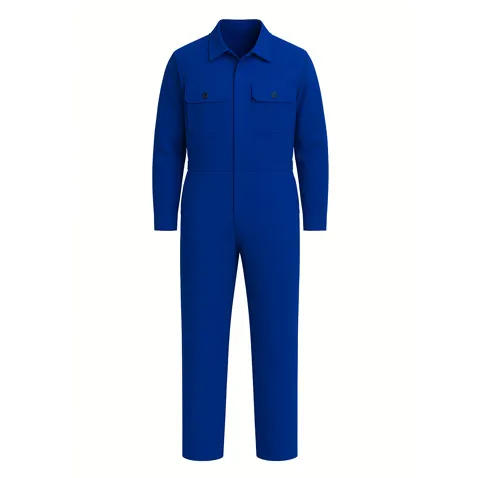
FR + Anti-static coveralls
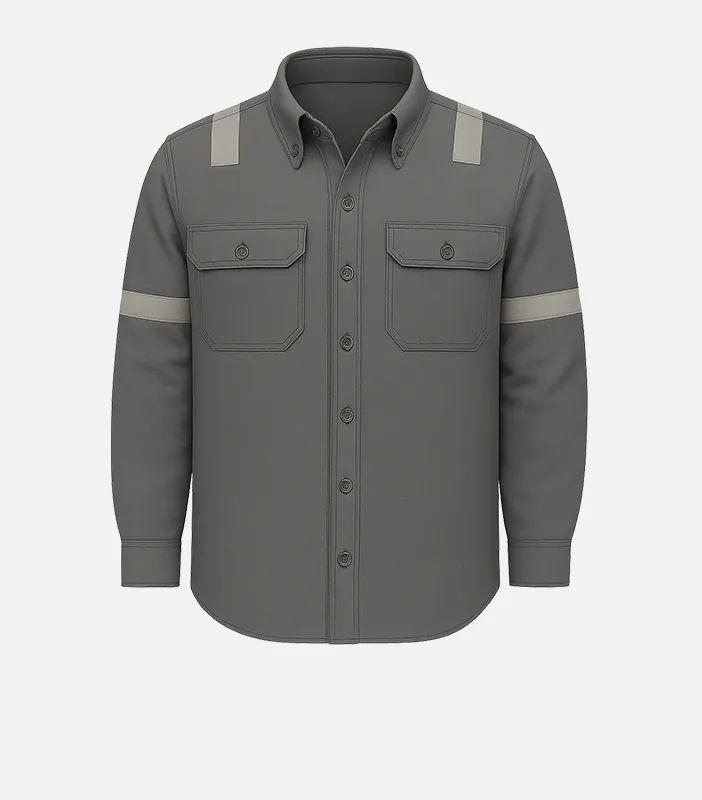
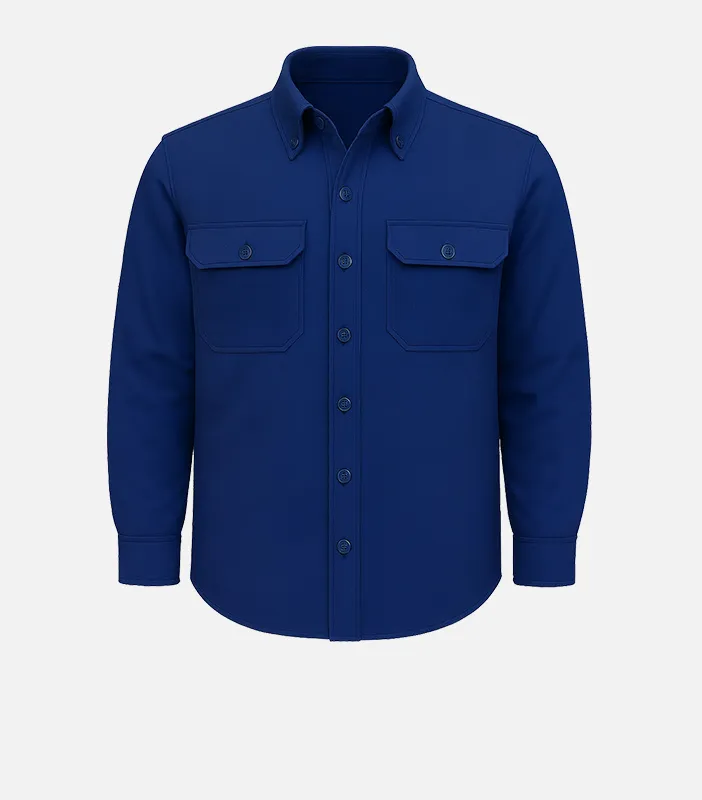
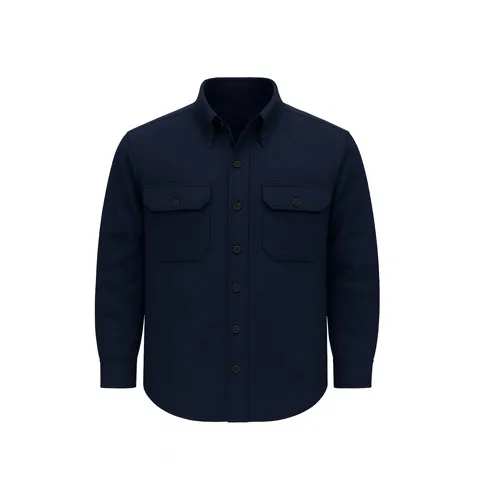
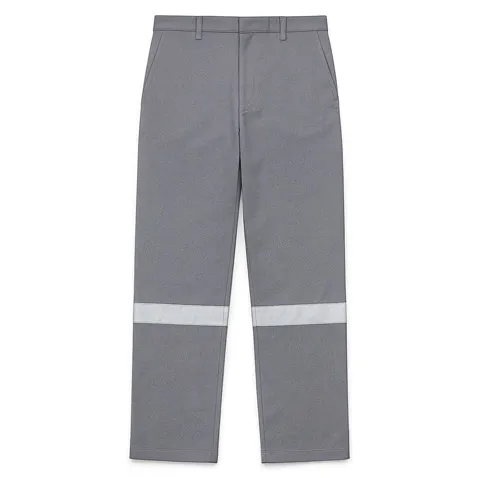
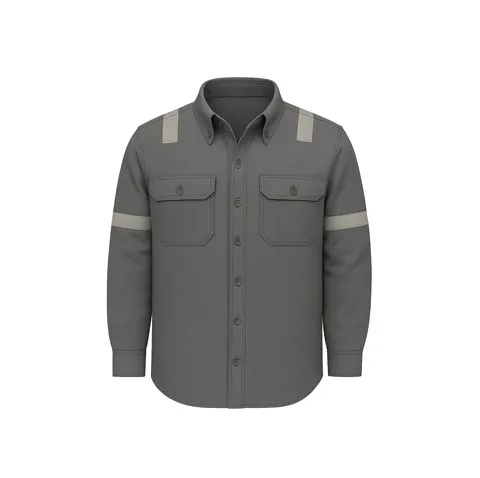
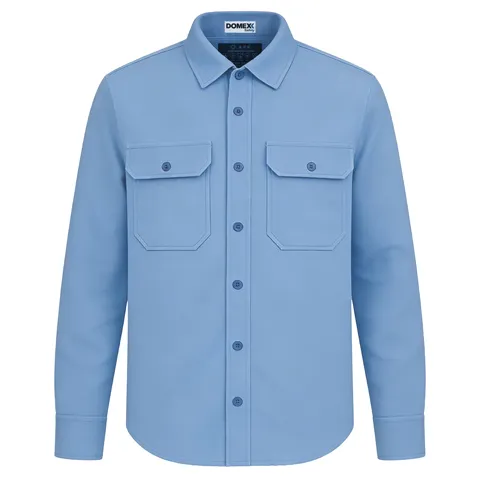
Anti-static work shirts & pants
IFR/ARC-rated dual-protection garments
Custom uniforms for high-hazard oilfield sites
All products undergo strict testing for safety, durability, and global compliance.
In oil & gas facilities, static electricity is a silent but deadly threat. Anti-static protection is not just a regulatory requirement—it is a frontline defense against ignition hazards.
Choosing compliant anti-static FR garments ensures safer operations, reduced risk, and peace of mind for workers and employers.