English
High-visibility (hi-vis) clothing becomes even more critical during night operations, where low light dramatically reduces worker visibility. Whether in roadwork, utilities, construction, mining, or emergency response, choosing the right hi-vis gear can prevent accidents and save lives. Here's a simple guide to selecting the safest and most compliant nighttime workwear.
Compared to daytime work, nighttime environments introduce unique risks:
Limited ambient light reduces visibility for equipment operators and passing vehicles.
Long working distances make reflective performance essential.
Weather conditions (fog, rain, haze) can further reduce visibility.
For this reason, hi-vis workwear must offer reliable reflectivity—not just fluorescent color.
Look for garments that comply with AS/NZS 1906.4, EN ISO 20471, or equivalent standards. These ensure:
High luminance of reflective tapes
Long-distance visibility
Performance maintained after washing and wear
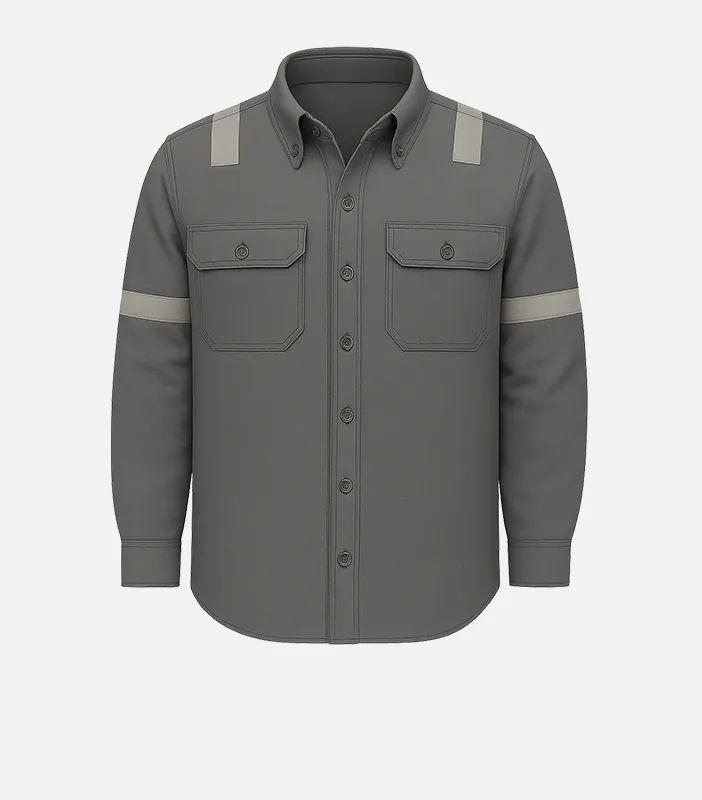
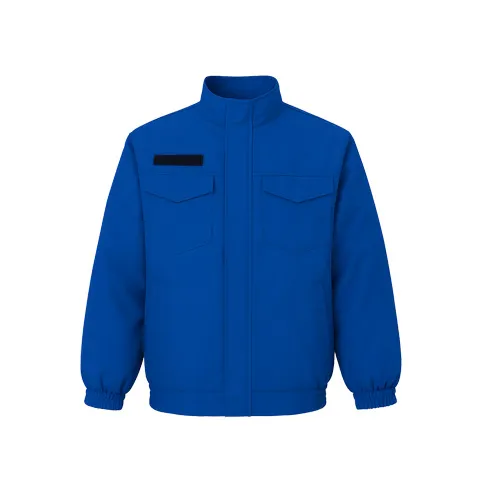
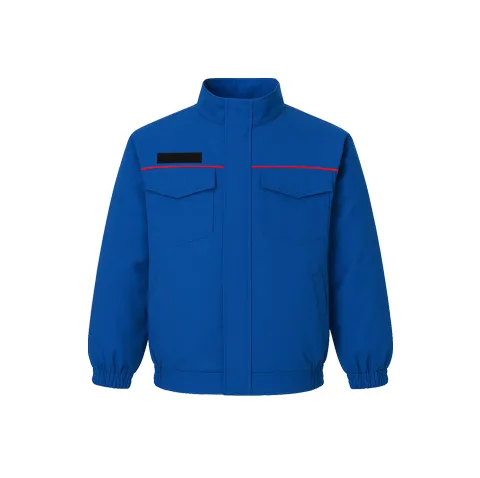
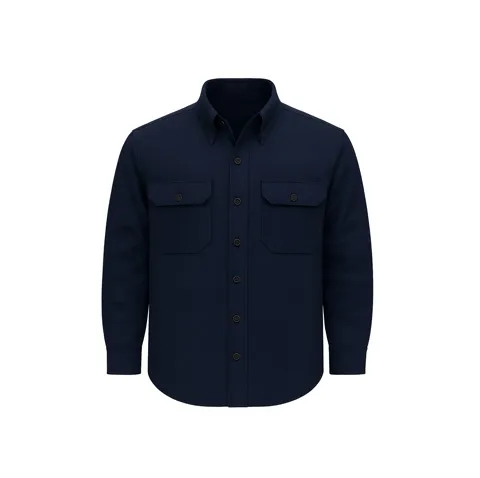
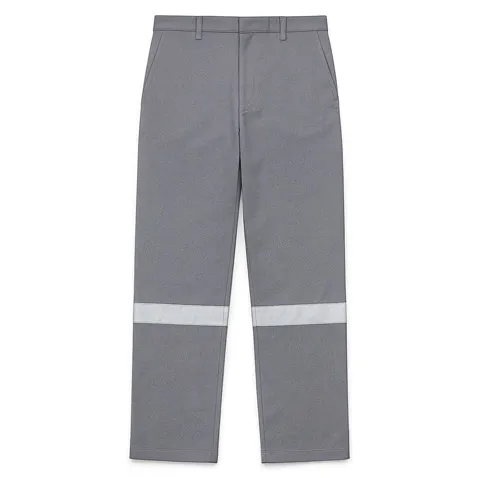
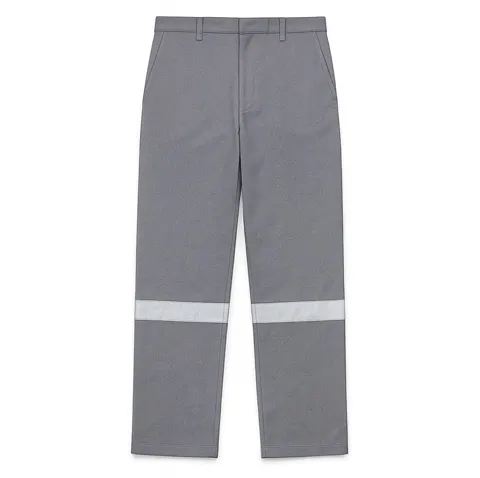
Domex Safety’s high visibility FR jackets and hi vis FR pants are designed with industrial durability in mind, maintaining brightness and reflective performance for extended night shifts in roadwork, construction, utilities, and industrial sites.
For night operations, reflective tape should:
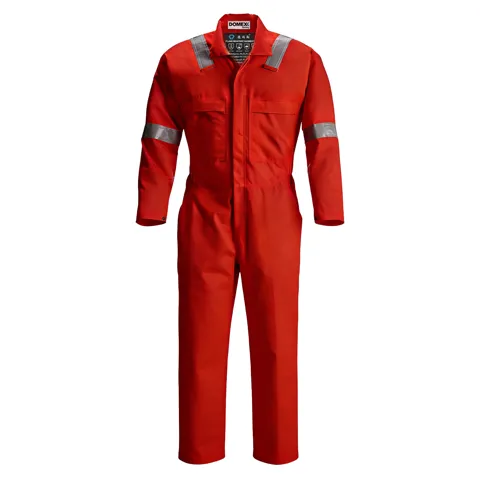
Be positioned around the torso, arms, and legs for 360° visibility
Offer wide coverage (≥50 mm tape preferred
Maintain reflectivity when wet or dirty
Chevron patterns or double bands can enhance motion detection, helping others spot workers sooner.
Night shifts often mean long hours. Choose hi-vis garments that provide:
Breathable fabrics for comfort
Reinforced seams for durability
Weather-resistant features (windproof, waterproof options if needed)
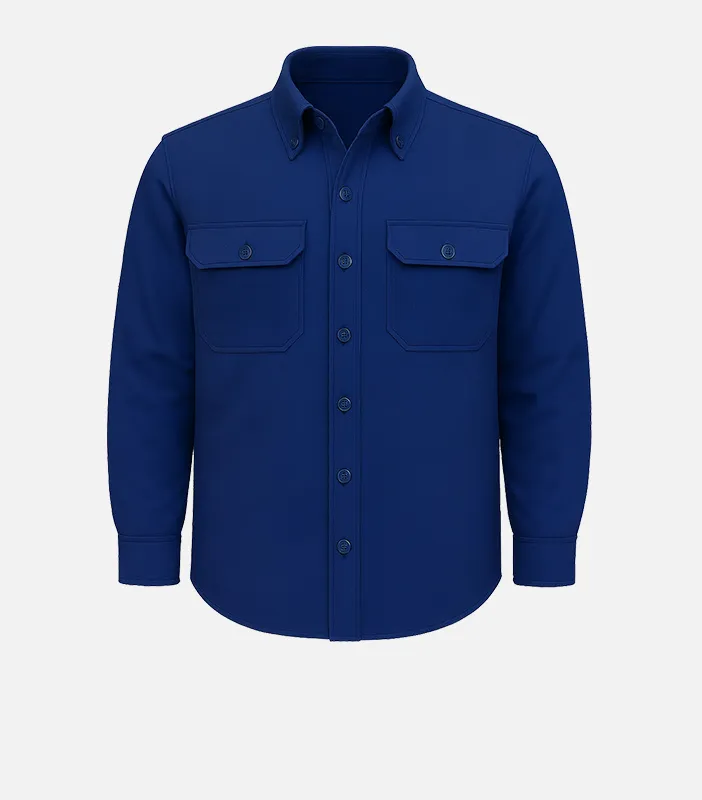
Domex Safety offers hi vis arc flash clothing, including shirts, coveralls, and jackets, designed for long-lasting performance while providing optional dual protection against arc flash hazards when required.
Pick garments certified for retroreflective performance
Match garment type to job needs (jackets, coveralls, trousers)
Ensure proper fit—visibility decreases when clothing is too loose or too tight
Combine with arc-flash or FR protection if required for the job site
The right hi-vis gear dramatically improves safety and reduces nighttime accident risk.