English
When choosing industrial workwear—especially flame-resistant, anti-static, or arc-rated garments—shrinkage after repeated industrial laundering is a critical performance indicator. ISO 15797 provides the global testing method used to evaluate how much a garment will shrink under high-temperature, high-stress washing conditions.
This guide explains what “shrinkage allowance” really means and why it matters for choosing durable PPE.
ISO 15797 is the international standard that simulates industrial laundering conditions—including washing, rinsing, extraction, and tunnel finishing.
It evaluates whether workwear can withstand:
High washing temperatures
Mechanical stress
Strong detergents
Repeated laundering cycles
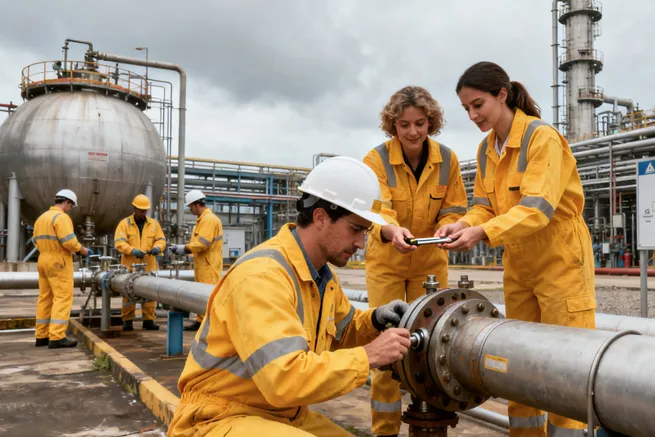
This test is especially important for garments used in oil & gas, utilities, petrochemical, and maintenance industries where uniforms are exposed to heavy contamination and require frequent cleaning.
Shrinkage allowance refers to the acceptable percentage of dimensional change after ISO 15797 washing.
Manufacturers must design garments with enough margin so that:
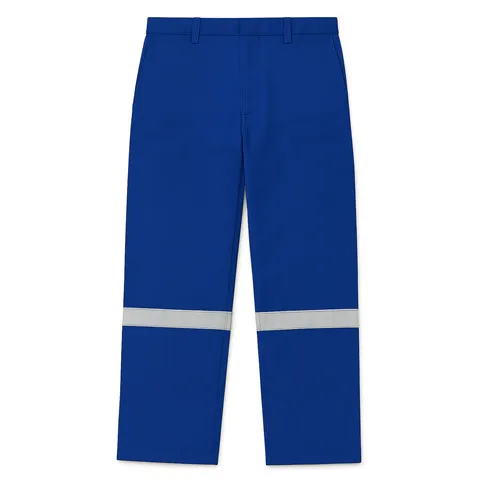
Pants don't become too short
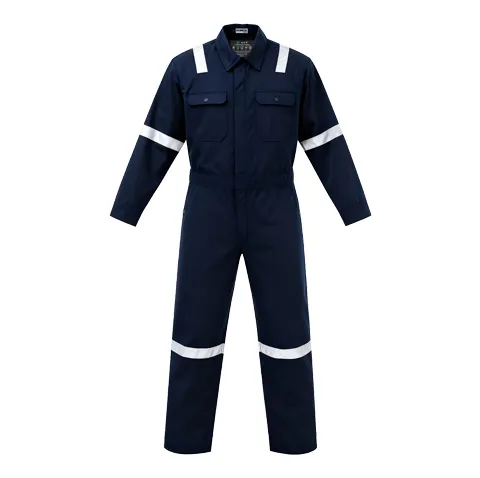
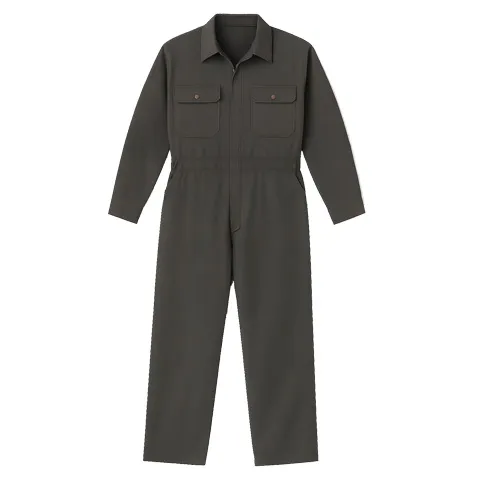
Coveralls maintain proper fit
Seams stay structurally sound
Arc-rated and FR fabrics keep their protective coverage
Typical acceptable shrinkage ranges:
1–3% for high-quality FR/IFR fabrics
3–5% for standard cotton-blend industrial fabrics
Excessive shrinkage may compromise mobility, comfort, and even safety.
For PPE garments, shrinkage is more than an aesthetic issue—it directly impacts compliance and protection:
Arc-rated PPE (IEC 61482/NFPA 70E): Shrinkage can reduce coverage, increasing exposure during an arc flash.
FR garments (EN ISO 11612/ASTM F1506): Tightened fabric can accelerate heat transfer.
Anti-static workwear (EN 1149-5): Dimensional change may alter the effectiveness of conductive fibers.
Correct shrinkage allowance ensures long-term comfort, fit, and certified protection.
At DOMEX SAFETY, all FR, IFR, anti-static, and arc-rated garments are tested to ISO 15797 to ensure:
Low shrinkage after repeated washing
Maintained protective performance
Long-lasting fit and durability
Reliable compliance with EN, NFPA, ASTM standards
Our fabrics and garments are engineered for global industrial laundering systems used by major oil & gas and utility companies.
Understanding shrinkage allowance under ISO 15797 helps buyers choose PPE that remains reliable throughout its service life.
For companies focused on safety, durability, and compliance, shrinkage performance is a non-negotiable part of quality workwear.