English
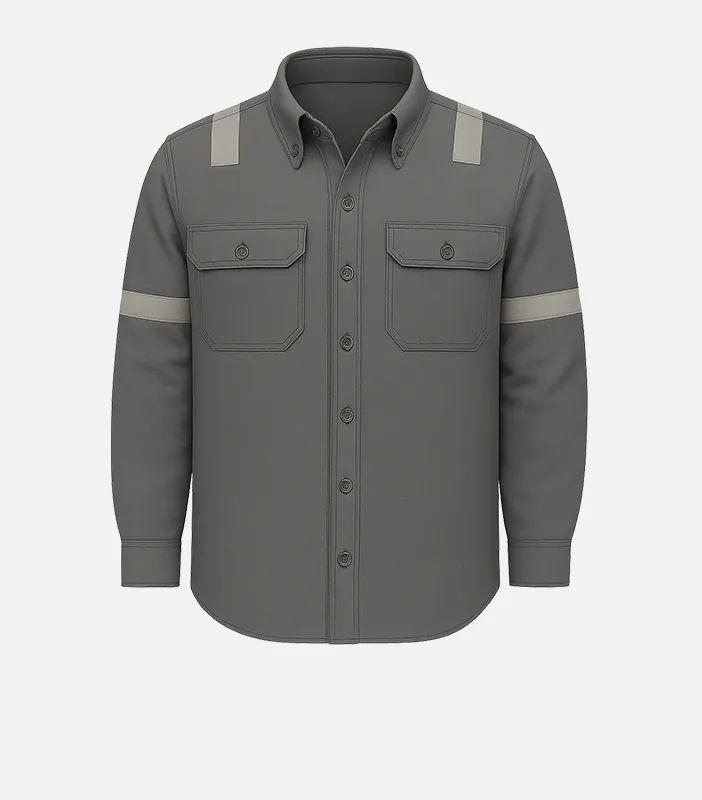
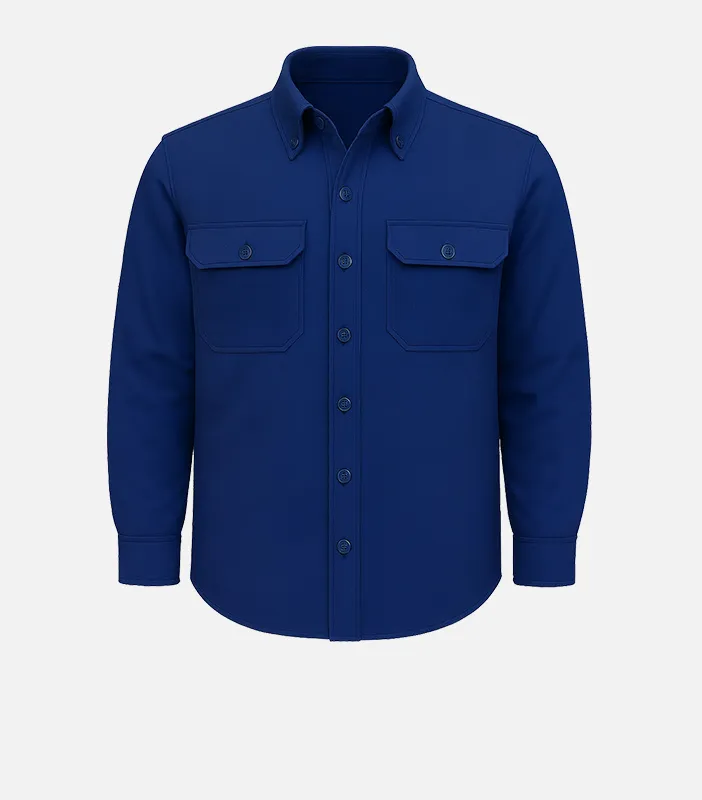
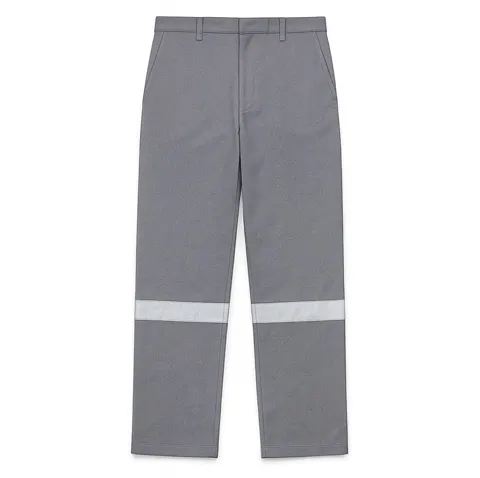
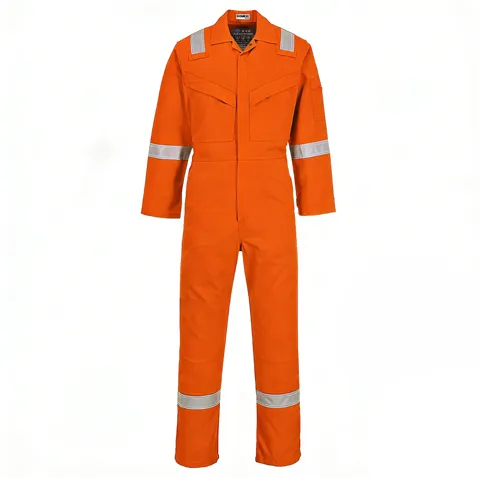
As outdoor industries face stronger UV exposure and rising heat levels, choosing the right UV-protective workwear has become more critical than ever. The fabric behind the garment determines how well workers stay protected from harmful UV rays — and how long the protection lasts. Here are the best-performing UV-protective fabrics to know in 2026.
Polyester microfiber continues to lead UV-protective textiles thanks to its naturally tight weave and high UPF performance.
Benefits:
Excellent UV resistance
Durable under repeated washing
Lightweight and breathable
Ideal for construction, logistics, and outdoor maintenance teams.
Nylon blends add strength, abrasion resistance, and long-term UV stability.
Why It Performs Well:
Strong fiber structure reduces UV penetration
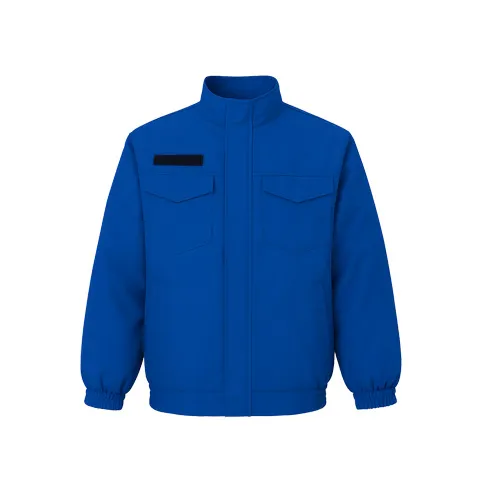
Works well in jackets, outer shells, and heavy-duty uniforms
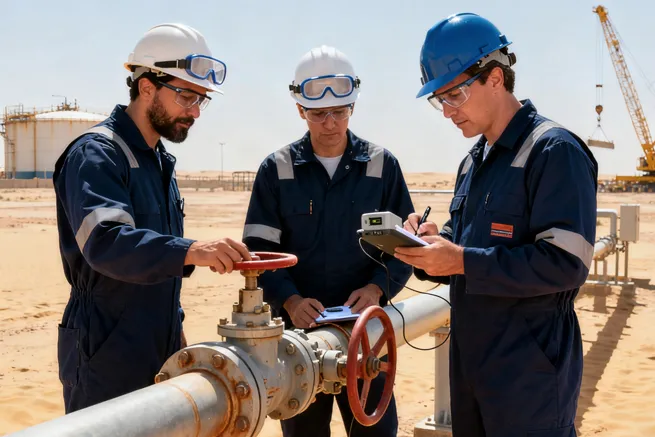
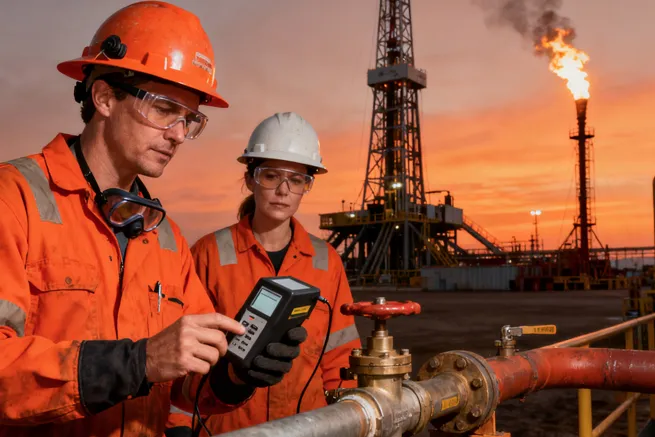
Perfect for offshore sites, oil & gas facilities, and industrial outdoor environments.
Modern blended fabrics combine soft cotton with engineered fibers to enhance UV protection.
Advantages:
Better comfort for hot climates
Improved sweat absorption
Enhanced UPF values compared to 100% cotton
A top choice for outdoor technicians and utility workers.
Some textiles undergo UV-blocking treatments that significantly increase UPF ratings.
Key Features:
Long-lasting protection when properly cared for
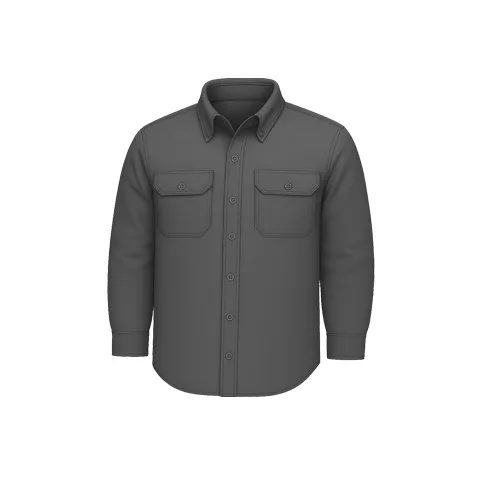
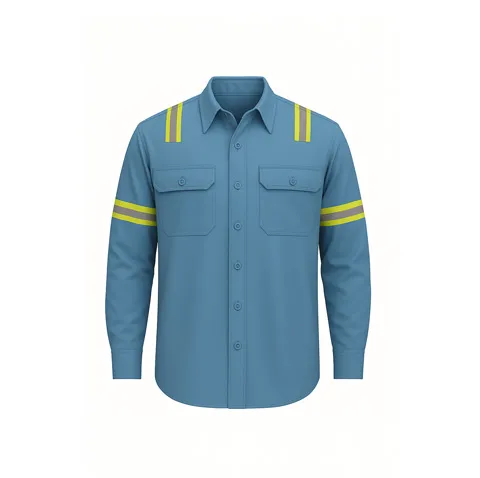
Suitable for shirts, pants, and sun-protection hoods
A strong option for companies needing certified UV standards such as EN 13758-1/AS/NZS 4399:2017.
Choosing the right UV-protective fabric is essential for safeguarding outdoor workers in 2026. Whether your priority is durability, comfort, or maximum UPF performance, understanding material technology ensures better protection and compliance.
At DOMEX Safety, we supply certified UV-protective workwear engineered for harsh industrial environments — keeping workers safe under the sun.