English
Industrial workwear faces extreme conditions every day — heat, abrasion, chemicals, and heavy use. But one factor often overlooked is industrial washing, which can rapidly degrade garments that lack proper fabric quality, FR durability, or construction standards. Here's why low-quality workwear fails early and how choosing better materials protects both workers and your budget.
ISO 15797 industrial laundering exposes garments to:
High-temperature wash cycles
Strong detergents and alkali chemicals
Mechanical agitation and extraction
Without robust fabric engineering, garments shrink, distort, or lose protective properties after only a few washes.
Untreated cotton or poorly engineered FR fabrics may:
Lose their flame-resistant finish
Drop below required ATPV levels
Fail EN ISO 11612, ASTM F1506, or IEC 61482 requirements
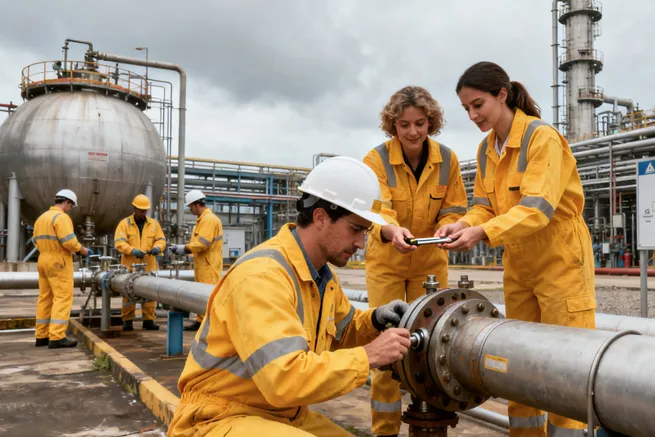
This creates serious workplace hazards — especially for oil & gas, utilities, and welding industries.
Low-quality workwear often uses:
Weak seams
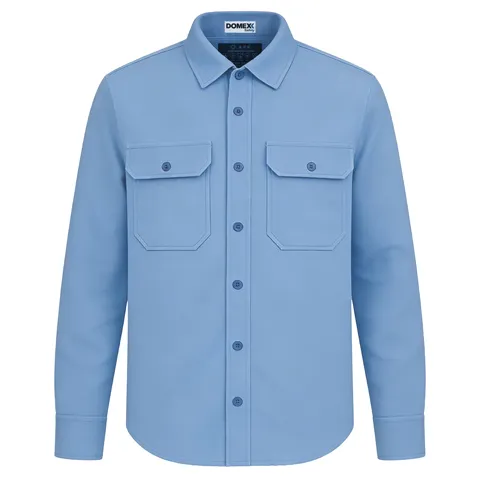
Low-temperature buttons or zippers
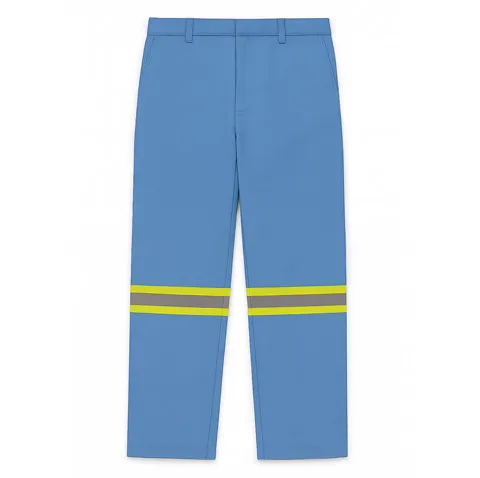
Non-compliant reflective tapes
Industrial washing accelerates seam failure, reflective peeling, and fabric tearing.
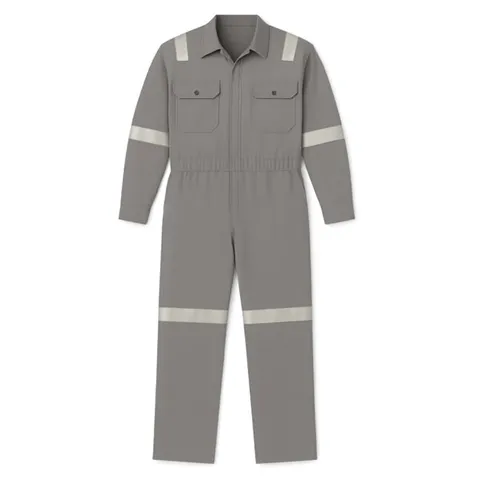
High-grade FR, IFR, anti-static, and arc-rated garments are engineered to withstand:
ISO 15797 industrial wash tests
Repeated laundering without shrinking
Durability of trims, tapes, seams, and colorfastness
This ensures long-term protection and lower replacement costs.
Industrial washing exposes the true quality of workwear. Choosing garments tested against ISO 15797, ISO 5077, ISO 105, and major FR/ARC standards ensures your workers stay protected — and your PPE budget lasts longer.
At DOMEX SAFETY, all FR, IFR, anti-static, and arc-rated garments are engineered for industrial laundering durability and certified for global compliance.