English
Static electricity is a hidden risk in industrial workplaces, especially in oil & gas, chemical plants, and manufacturing facilities. Choosing the right anti-static fabric is essential for preventing sparks, reducing ignition risk, and ensuring compliance with safety standards such as EN 1149-5.
This guide highlights the top-performing anti-static fabrics used in today's professional workwear.
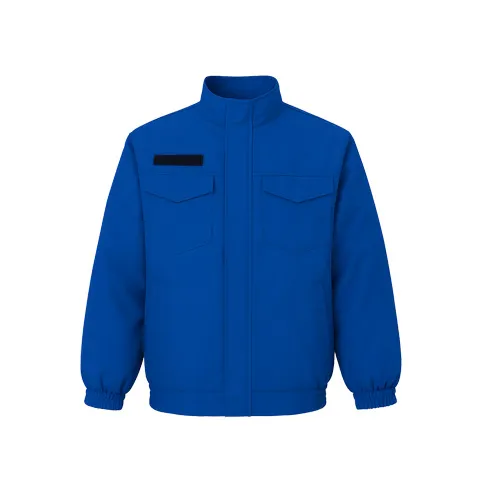
Cotton blended with conductive fibers offers an excellent balance of comfort, breathability, and protection.
Why it’spopular for anti static workwear:
Soft and comfortable for long shifts
Durable enough for daily industrial use
Meets global anti-static standards
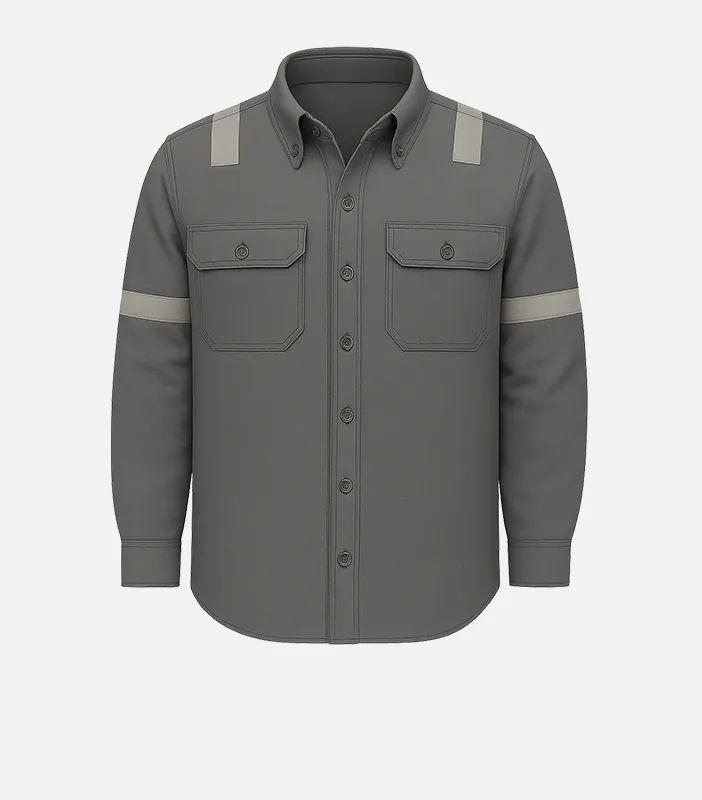
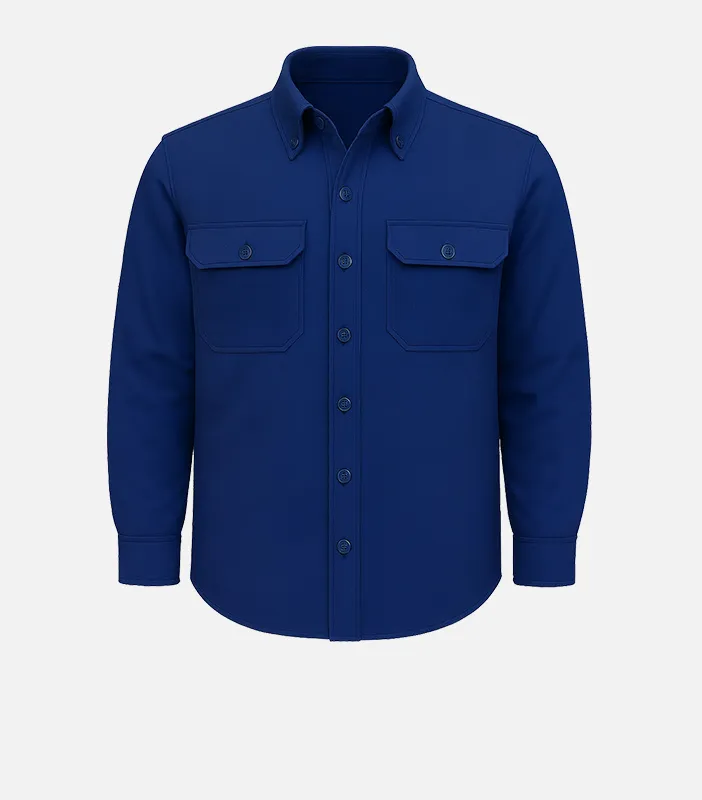
Ideal for: coveralls, shirts, and multi-risk garments.
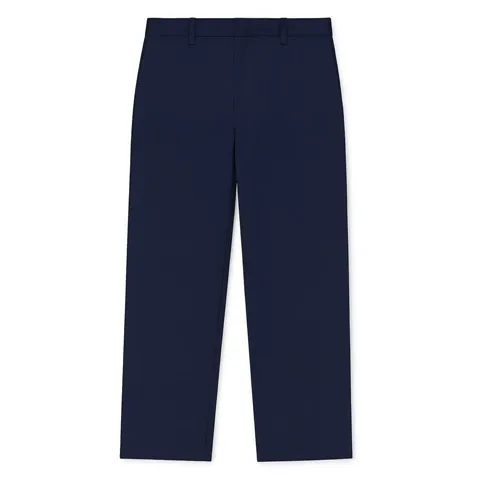
These fabrics integrate carbon or conductive yarns, ensuring consistent static dissipation across the garment surface. They are commonly used in anti static coveralls designed for controlled or sensitive environments.
Key advantages:
Strong anti-static performance
High durability and color retention
Lightweight and easy to maintain
Commonly used in electronics, cleanrooms, and chemical environments.
These are engineered with permanent anti-static properties, meaning the protection will not wash out over time.
Benefits:
Long-lasting protection
Stable performance after repeated washing
Often combined with FR or ARC protection
Perfect for high-risk and long-term industrial applications.
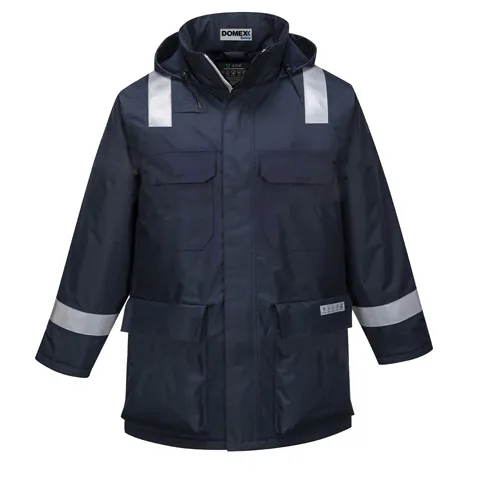
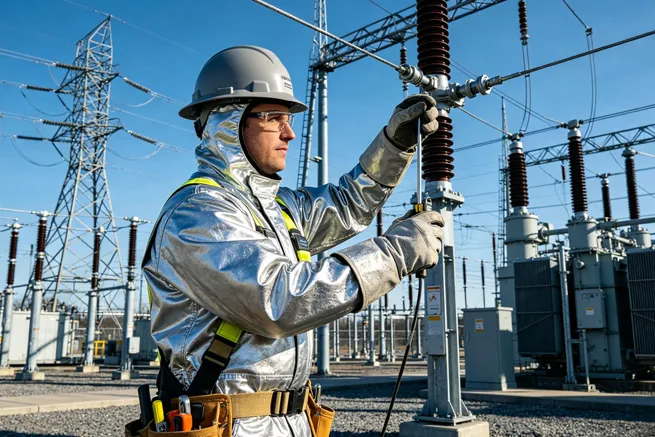
Modern workplaces often require dual or triple protection. Many fabrics now combine anti-static, flame-resistant, and arc-flash resistance in one solution.
Why workers need them:
Prevent static discharge
Resist flames and prevent secondary ignition
Provide arc-flash protection where required
Ideal for oil & gas, utilities, petrochemical, and refineries.
Choosing the right anti-static fabric ensures safety, compliance, and comfort for workers in hazardous environments. DOMEX SAFETY provides certified, high-performance fabrics and garments engineered for today's demanding industries.