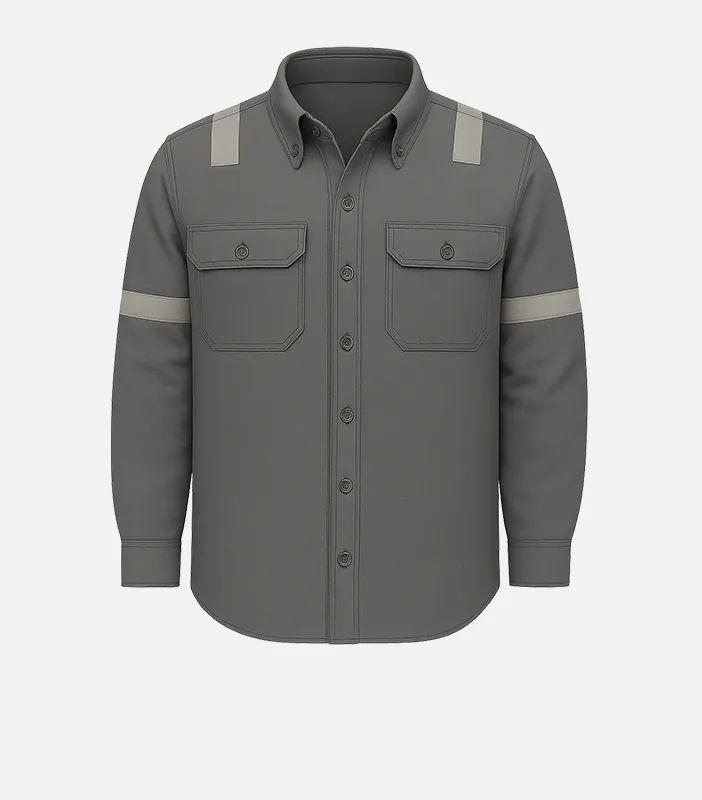
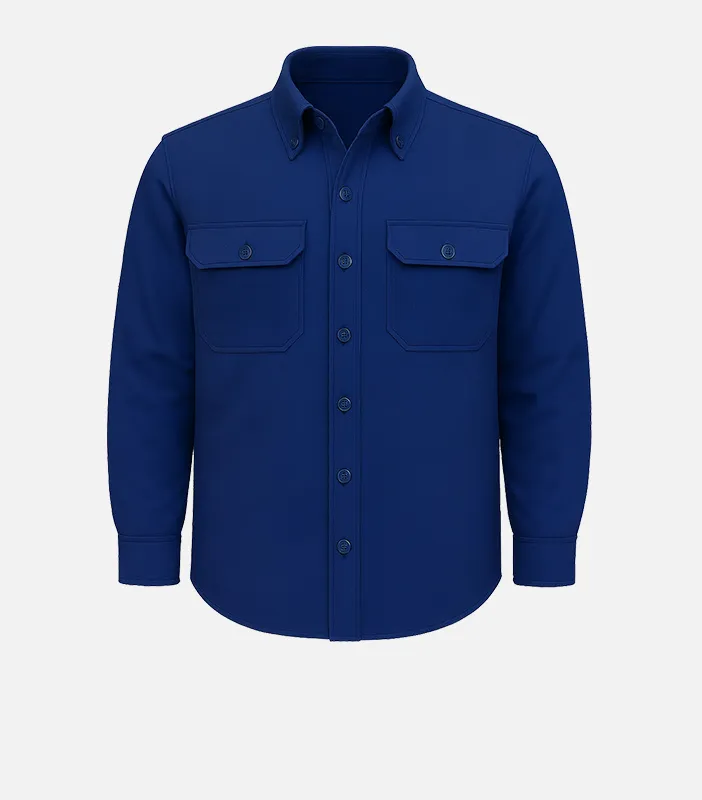
When it comes to flame-resistant (FR) clothing, selecting the right safety standards is crucial to ensure the protection of workers in high-risk environments. Different industries have different requi...
Electrical utility workers face one of the most dangerous environments, where arc flashes can result in severe injuries or even fatalities. Arc-rated clothing is designed to provide protection against...
In industrial environments, static electricity poses significant risks to both workers and equipment. Industries like electronics, oil and gas, and chemical manufacturing require stringent protective ...
In high-risk industries, workers face multiple hazards daily. Flame risks from combustible vapors, arc flash dangers from electrical equipment malfunctions, and static charge accumulation in explosive...
Selecting the right workwear supplier is one of the most important decisions for any industrial company. The quality of your supplier directly impacts product reliability, worker safety, and long-term...
When choosing UV protective workwear, one of the most common questions buyers ask is: does the UV protection wash out over time?The answer depends on how the fabric is made and how it is maintained. U...
Workers in outdoor industries are exposed to sunlight for long hours every day. Over time, this exposure can lead to skin damage and other health risks.To reduce these risks, many companies choose UV ...
In low-light and high-risk environments, visibility can mean the difference between safety and accident. One of the most important components of high visibility clothing is reflective tape.It plays a ...
High visibility workwear plays a critical role in keeping workers safe—but improper washing can quickly reduce its effectiveness. Over time, dirt, chemicals, and incorrect cleaning methods can damage...
High visibility workwear is essential for safety—but it does not last forever. Over time, fluorescent fabric fades and reflective tape loses performance, reducing visibility and increasing risk.Under...
When selecting high visibility workwear, many buyers focus on standards and reflective performance—but often overlook one important factor: color choice.The two most commonly used colors in hi-vis cl...
Not all high visibility clothing is the same. Different industries require different levels of protection, durability, and comfort. Choosing the wrong type of hi-vis workwear can reduce effectiveness ...
 English