English
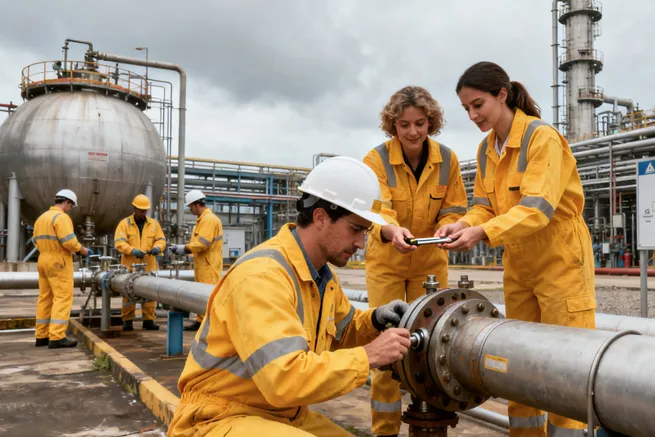
Electrical utility workers face one of the most dangerous environments, where arc flashes can result in severe injuries or even fatalities. Arc-rated clothing is designed to provide protection against these sudden and extreme electrical events. Choosing the right arc-rated PPE is crucial to ensure workers' safety. Here’s a guide on how to select the best arc-rated workwear for your electrical utility workforce.
Arc-rated clothing is specifically designed to protect workers from the intense heat generated by electrical arcs. Arc flashes are the result of electrical faults that cause short circuits, leading to sudden bursts of energy. This clothing is tested to withstand the thermal impact of an arc flash and prevent severe burns.
Arc-rated clothing is labeled with a calorie rating (cal/cm²), indicating how much thermal energy the fabric can resist before causing second-degree burns. The higher the ATPV (Arc Thermal Performance Value) or EBT (Energy Breakopen Threshold) rating, the more protection it provides.
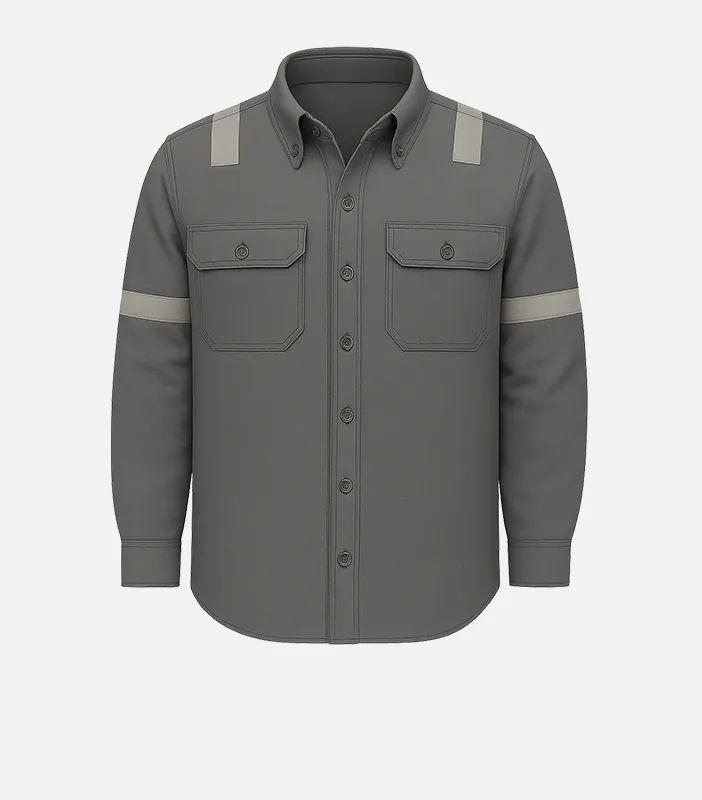
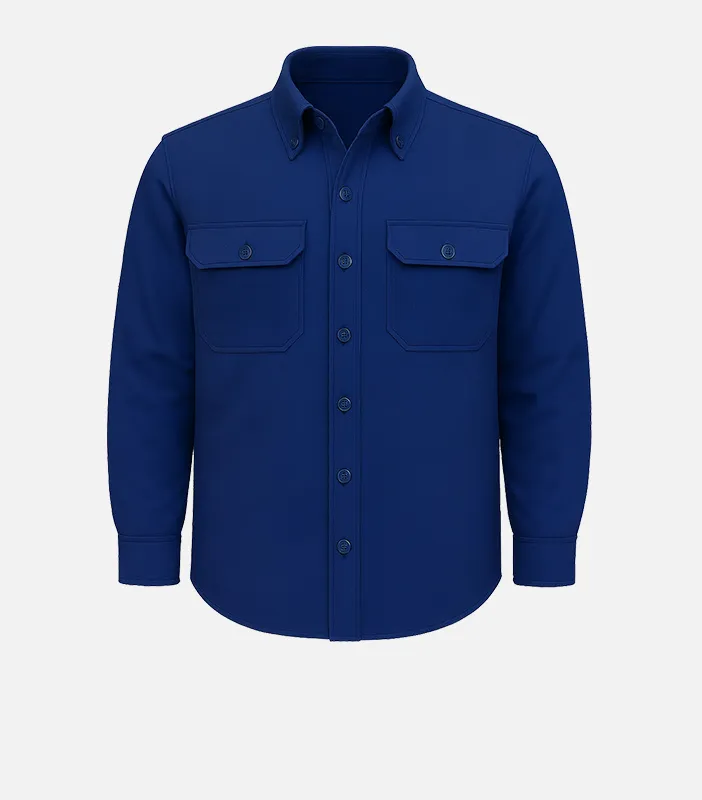
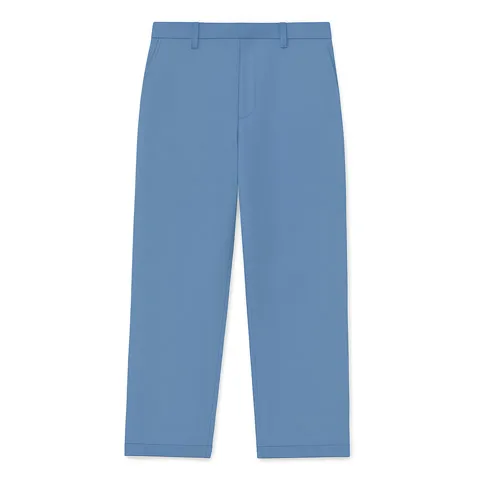
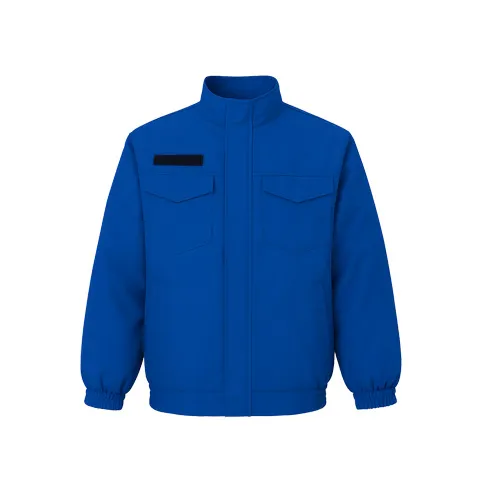
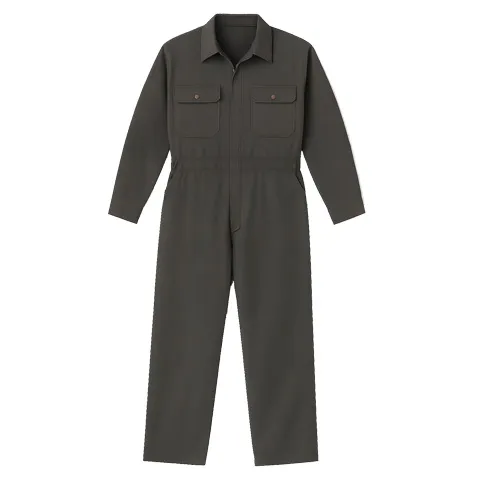
In the electrical utility industry, workers face constant exposure to electrical hazards, such as arc flashes and electrical burns. Arc-rated PPE, such as shirts, pants, coveralls, and jackets, helps to protect workers from these extreme thermal events and reduce the risk of serious injuries.
Selecting arc-rated clothing is not only a safety requirement but also a legal obligation. In many countries, OSHA, NFPA 70E, and IEC/EN standards mandate that workers in electrical environments must wear arc-rated PPE. Non-compliance could result in penalties and increased risk of workplace accidents.
Choosing the right arc-rated workwear ensures that workers are protected while maintaining comfort and mobility. Modern arc-rated fabrics combine protection with breathability and lightweight design, allowing workers to stay productive while staying safe.
Selecting the right arc-rated clothing involves considering multiple factors to ensure that the workwear meets the needs of your workforce while providing maximum protection. Here are the key points to consider:
The HRC (Hazard Risk Category) system classifies the level of protection required based on the incident energy level in the work environment, measured in calories per square centimeter (cal/cm²). The higher the incident energy, the more protection is needed. HRC levels range from HRC 1 to HRC 4, with HRC 4 providing the highest protection.
For example:
HRC 1: ATPV ≤ 4 cal/cm²
HRC 2: ATPV ≤ 8 cal/cm²
HRC 3: ATPV ≤ 25 cal/cm²
HRC 4: ATPV > 40 cal/cm²
Based on the incident energy in your electrical environment, select the appropriate HRC level to ensure the arc-rated clothing provides adequate protection.
Arc-rated fabrics are typically made from flame-resistant materials such as nomex, kevlar, or modacrylic blends. These fabrics undergo rigorous testing to ensure they can withstand the heat generated during an arc flash. When choosing fabric, it’s important to balance durability, comfort, and protection.
Nomex: Lightweight, flame-resistant fabric often used in arc-rated clothing. It provides excellent thermal protection while remaining breathable.
Kevlar: Known for its high tensile strength and abrasion resistance, Kevlar is often combined with Nomex to enhance arc flash protection.
In some cases, it may be necessary to layer arc-rated PPE to increase the level of protection. Layering a flame-resistant base layer under an arc-rated outer shell (jacket or coveralls) can provide added defense in high-risk environments. Ensure that the layers do not compromise the overall comfort and mobility of workers.
Modern arc-rated clothing comes with additional features designed to enhance safety and performance, including:
Adjustable cuffs and waistbands for a more tailored fit
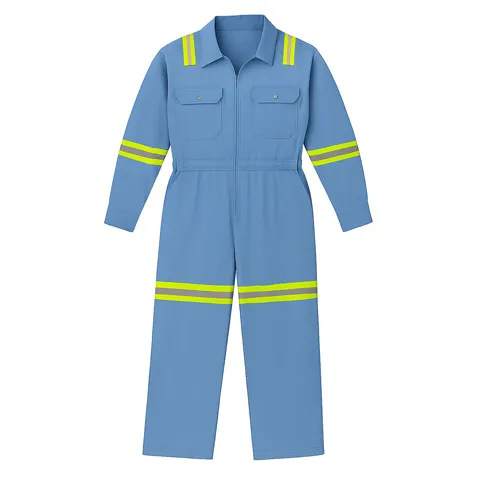
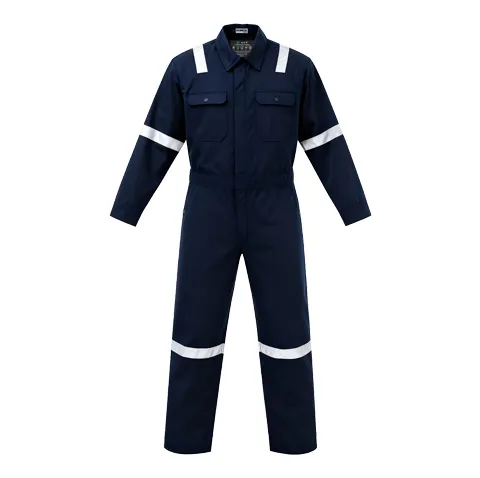
High-visibility stripes or logos for added visibility in low-light conditions
Reflective piping for night-time work or emergency situations
Reinforced stitching in high-stress areas to prolong the life of the garment
These features ensure that your workers have the optimal balance between safety, comfort, and functionality.
Ensure that the arc-rated clothing complies with global safety standards. Key certifications to look for include:
NFPA 70E (Arc Flash Standard)
ASTM F1506 (Flame Resistant Clothing for Electrical Workers)
IEC 61482 (Arc Protection Clothing)
At Domex Safety, we ensure that all of our arc-rated workwear is certified and meets the latest industry standards to protect workers from arc flashes, burns, and electrical hazards.
Arc-rated clothing is a critical component of worker safety in electrical utility environments. By selecting the right PPE, considering the hazard risk category, and ensuring compliance with safety standards, you can protect your workforce from electrical hazards while ensuring comfort and performance.
At Domex Safety, we specialize in providing high-quality arc-rated PPE tailored to the specific needs of industrial workers in the electrical and energy sectors. Our arc flash suits, flame-resistant coveralls, and electrical protective clothing are designed for maximum safety, comfort, and durability.
Explore our arc-rated workwear collection and keep your workers safe with Domex Safety’s industry-leading PPE solutions.