English
In industrial environments, static electricity poses significant risks to both workers and equipment. Industries like electronics, oil and gas, and chemical manufacturing require stringent protective measures to ensure the safety of personnel and equipment. This is where antistatic safety clothing plays a pivotal role. In this guide, we’ll discuss the importance of antistatic clothing, how to choose the right gear, and how to maximize your safety by selecting the best PPE (Personal Protective Equipment) for your workplace.
Antistatic safety clothing is designed to protect workers from the dangers associated with static electricity. This type of PPE helps prevent static discharges that can damage sensitive equipment, ignite flammable materials, or cause explosions in hazardous environments. Made from inherently conductive fibers or treated fabrics, antistatic workwear allows static charges to dissipate safely, reducing the risk of accidents in the workplace.
Sensitive electronic devices and equipment can be easily damaged by electrostatic discharge (ESD). Workers in industries such as electronics manufacturing or pharmaceutical production must wear antistatic clothing to safeguard both their equipment and the final product from potential damage.
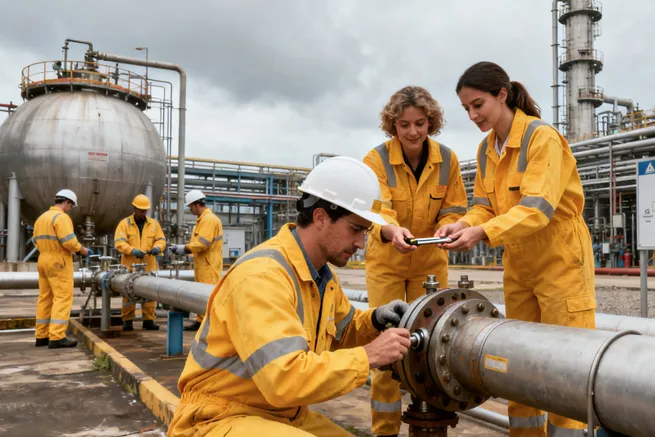
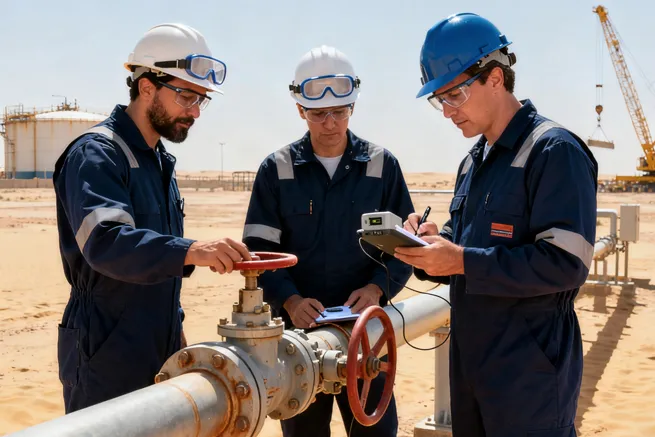
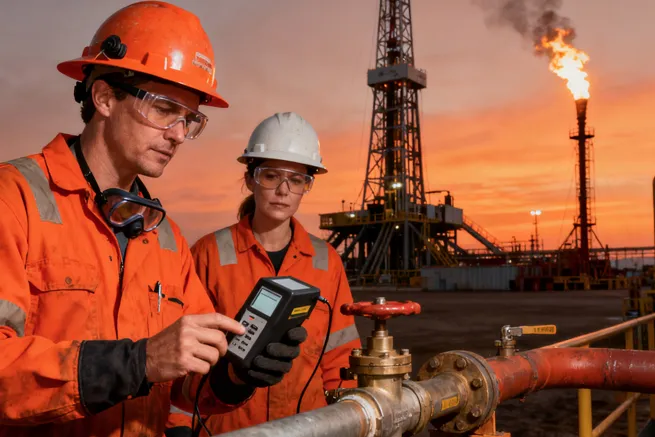
In hazardous environments like oil rigs or chemical plants, static electricity can trigger fires or explosions. Antistatic clothing prevents the buildup of static charge, thus eliminating one of the key risks that could lead to catastrophic accidents.
The importance of antistatic safety clothing is also underscored by global safety standards. Compliance with EN 1149-5 (the standard for antistatic clothing) and other local regulations is critical for industries involved in handling flammable materials or high-tech equipment.
Selecting the right antistatic workwear can be overwhelming with many options available. Here are the key factors to consider when choosing the right gear for your workplace:
The fabric used in antistatic clothing is crucial. Look for garments made from modacrylic blends, carbon fibers, or conductive materials that allow for safe discharge of static. In addition, these materials should be durable and comfortable for long shifts in harsh environments.
Modacrylic and polyester blends offer both flame resistance and antistatic properties.
Carbon-fiber embedded fabrics provide high-performance antistatic protection and are lightweight.
Ensure that the clothing you choose meets recognized safety standards such as EN 1149-5 for antistatic properties. These standards ensure that the clothing performs as required under high-risk conditions.
For enhanced protection, check for additional certifications like NFPA 70E for arc flash protection or ASTM F1506 for flame-resistant workwear, if applicable.
Comfort is essential for workers who wear protective clothing for long hours. Breathable fabrics with moisture-wicking properties enhance comfort, while reinforced stitching and durable zippers ensure long-lasting wear in industrial settings.
Antistatic workwear should be well-fitted to avoid hindering movement. Consider the specific tasks workers will perform, such as operating machinery or working in confined spaces. Customization options such as adjustable cuffs, waistbands, and reinforced knee pads may be necessary.
If your workforce requires specific branding, logo placement, or additional protective features, ensure that the antistatic clothing provider offers customization services. Domex Safety, for example, provides tailored solutions for industries in oil and gas, construction, and chemical handling.
Ensure the entire garment, including sleeves, legs, and inner lining, is designed to prevent static buildup. Choose clothing with integrated conductive threads to facilitate the dissipation of static charges.
If your workers are exposed to fire hazards, antistatic FR (flame-resistant) clothing should be the priority. Combining antistatic with flame-resistant features helps prevent accidents in volatile environments.
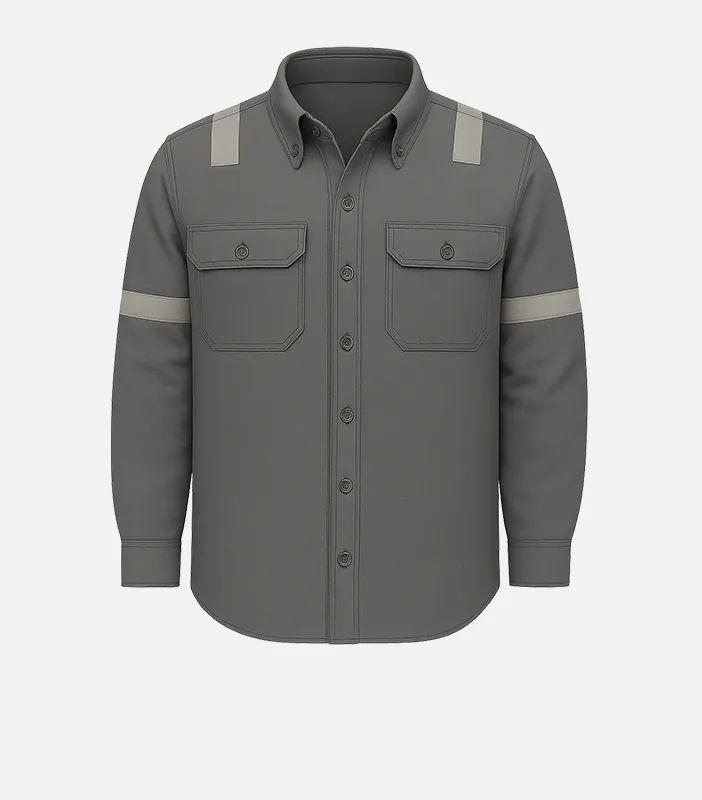
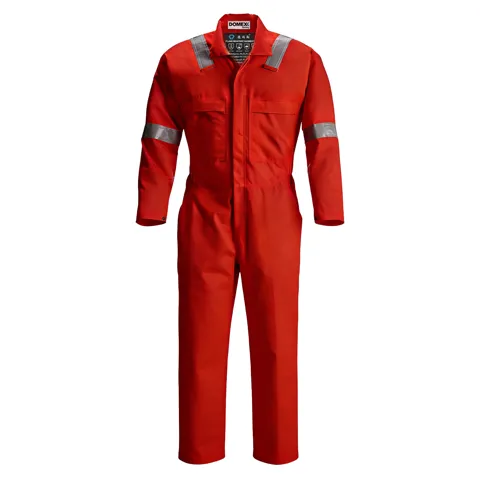
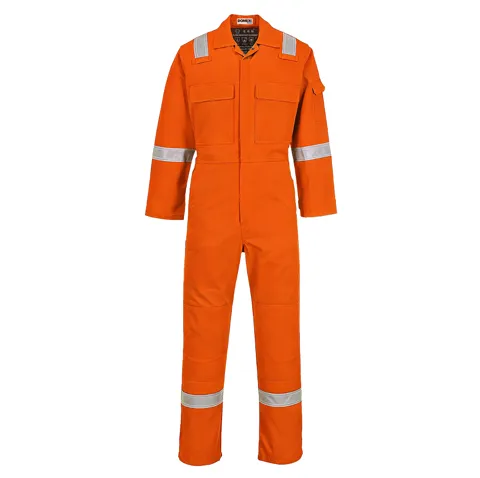
In environments where workers are exposed to hazardous machinery or traffic, high-visibility features combined with antistatic protection can provide both safety and performance.
Proper maintenance of antistatic safety clothing is essential to ensure it continues to perform its function effectively.
Follow Care Instructions: Always follow the manufacturer’s care instructions to maintain the antistatic properties. Avoid using fabric softeners, which can degrade the antistatic performance.
Regular Inspection: Conduct regular inspections for wear and tear, especially in high-friction areas like elbows and knees. Replace any damaged clothing immediately.
Washing and Drying: Wash antistatic clothing with industrial-grade detergents and ensure they are thoroughly dried without exposing them to excessive heat, as this can compromise their protective features.
At Domex Safety, we specialize in providing high-quality antistatic safety clothing tailored to the needs of industrial workers. Our range of antistatic PPE includes flame-resistant options and garments that comply with international safety standards like EN 1149-5 and NFPA 70E. With over 19 utility model patents, we are committed to offering reliable protection and comfort for workers in oil and gas, chemical, electronics, and automotive industries.
Explore our products today and ensure the safety of your workforce with Domex Safety’s antistatic solutions.
Choosing the right antistatic safety clothing is a critical step in ensuring worker protection in hazardous industrial environments. By focusing on material quality, comfort, and compliance with safety standards, you can significantly reduce the risks associated with static electricity. Choose Domex Safety for all your PPE needs and protect your team with industry-leading antistatic solutions.