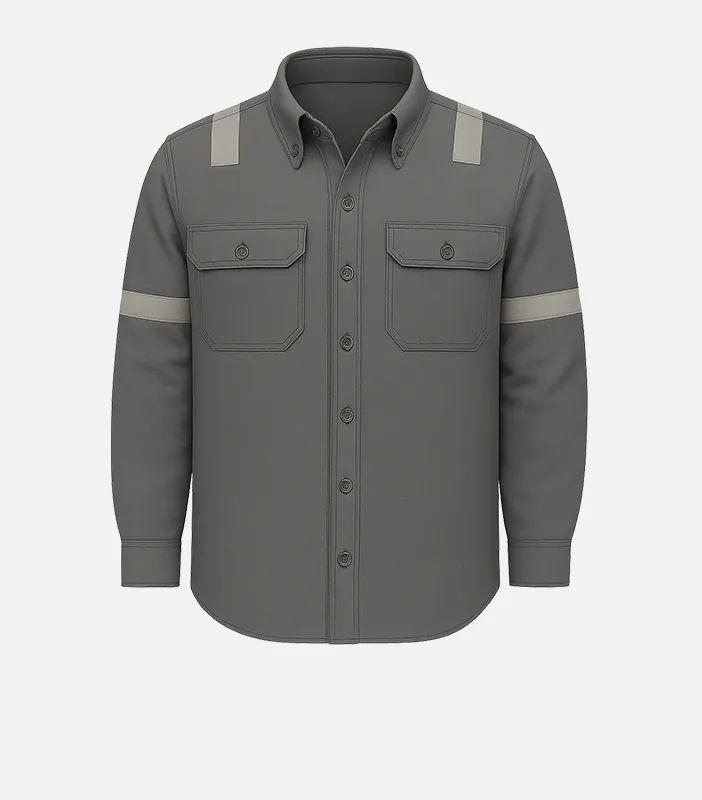
NFPA 2112 (2023 edition) is the core standard for industrial flame-resistant (FR) clothing, developed by the National Fire Protection Association (NFPA) in the USA. It provides essential guidelines fo...
CE marking is mandatory for PPE safety workwear entering the EU market under Regulation (EU) 2016/425. It confirms compliance with health, safety, and environmental standards. Manufacturers and buyers...
Choosing the right workwear is crucial for workplace safety, especially in high-risk industries such as oil refineries, welding workshops, or chemical plants. While both flame-retardant clothing and r...
Workers exposed to low temperatures—such as outdoor construction crews, cold storage staff, or personnel at northern outdoor sites—are particularly vulnerable to cold stress. Prolonged exposure can ...
Chemical hazards are present in many industrial environments, from chemical plants and laboratories to oil refineries and manufacturing facilities. Exposure to corrosive liquids, toxic vapors, chemica...
In industries where workers are exposed to high temperatures, sparks, flash fires, or flammable materials, flame-retardant (FR) workwear plays a crucial role in workplace safety. From welding workshop...
In many industrial environments, static electricity is an invisible yet extremely dangerous safety hazard. Tiny static sparks may seem harmless, but in places filled with flammable gases, combustible ...
Construction sites, highways, warehouses, logistics centers, and industrial facilities all share one common safety challenge — workers must remain visible in busy and potentially hazardous environmen...
Electrical work comes with serious risks, and arc flash is one of the most dangerous hazards workers can face. In just a fraction of a second, an arc flash can generate temperatures as high as 35,000...
In hazardous industrial environments involving high temperatures and electrical faults, danger lurks everywhere. Appropriate protective equipment is not only crucial but also essential for workplace s...
Protecting workers' hands in manufacturing isn't just about compliance — it's about matching hazard, task, and protective performance. In today's diverse industrial environments, sele...
In the industrial sector, workwear is not just a "shield" for safety protection but also a reflection of a company’s image and responsibility. Facing the global environmental wave, more and...
 English