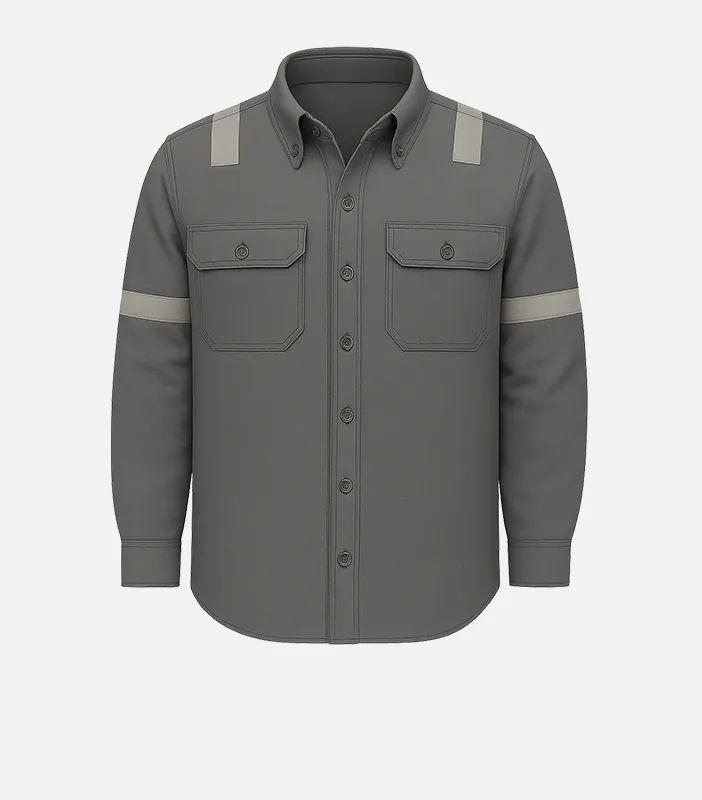
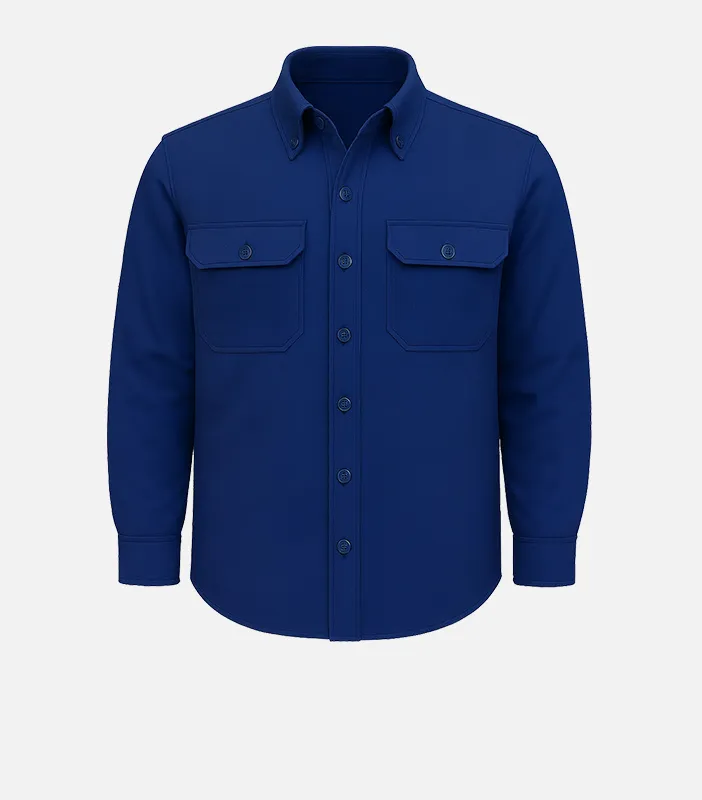
Flame-resistant (FR) clothing is designed to protect workers from heat, flames, and arc flash hazards. However, like all protective equipment, it does not last forever.Understanding how long FR garmen...
Working in high-temperature environments is already challenging. When protective clothing is added, the risk of heat stress increases significantly. For workers in industries such as oil & gas, el...
In modern industrial environments, workers are rarely exposed to just one type of hazard. In sectors such as oil & gas, petrochemical, and electrical utilities, multiple risks often exist at the s...
In low-light or high-risk environments, visibility is just as important as protection. Workers operating near traffic, heavy machinery, or construction zones rely on high-visibility (hi-vis) workwear ...
In industries where flammable gases, vapors, or dust are present, even a small electrostatic discharge can trigger serious accidents. Static electricity is often invisible, but in hazardous environmen...
Electrical hazards remain one of the most serious risks in industrial environments. Among them, arc flash incidents are especially dangerous due to their extreme heat and sudden energy release.To addr...
Electrical work environments involve serious risks, especially from arc flash incidents. These events can release extreme heat and energy within milliseconds, causing severe injuries.To reduce these r...
Electrical arc flash hazards can release extreme heat in milliseconds, posing serious risks to workers. To reduce injury, protective garments must meet strict safety standards.ASTM F1506 is one of the...
In the oil and gas industry, workers operate in environments where flammable vapors, hydrocarbons, and high temperatures are common. These conditions create serious hazards such as flash fires and the...
When selecting flame-resistant (FR) workwear for hazardous industrial environments, one of the most common questions safety managers ask is whether to choose inherently flame-resistant fabrics or trea...
Selecting the right flame-resistant (FR) workwear is a critical decision for companies operating in hazardous industrial environments. Workers in industries such as oil & gas, electrical utilities...
When selecting flame-resistant (FR) workwear for hazardous industries, safety managers often encounter two important standards: EN ISO 11612 and NFPA 2112. Both standards define performance requiremen...
 English