English
In high-risk industries, workers face multiple hazards daily. Flame risks from combustible vapors, arc flash dangers from electrical equipment malfunctions, and static charge accumulation in explosive environments often coexist—creating a lethal trifecta of threats.
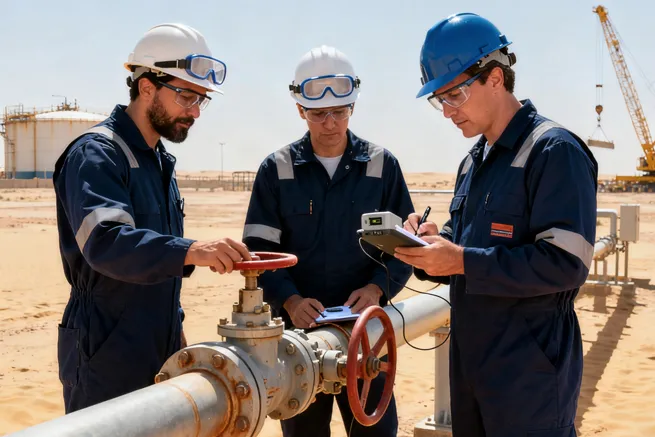
For example, in an oil refinery, a spark from static discharge could ignite flammable gases, while nearby electrical arcs pose additional burn risks. Similarly, petrochemical plant workers handling volatile chemicals must avoid static-related explosions while also safeguarding against potential arc flashes or flash fires. Traditional workwear addressing only one hazard leaves workers dangerously exposed.
This demands specialized garments engineered for triple protection—simultaneously resisting flames, mitigating arc flash injuries, and preventing static discharge ignition—to provide a fail-safe barrier against all three interconnected risks.
Sparks from electrical equipment or arc flashes can ignite flammable materials, while static discharge can trigger explosions. Combining FR, AR, and antistatic features creates a comprehensive barrier to safeguard workers from all three risks.
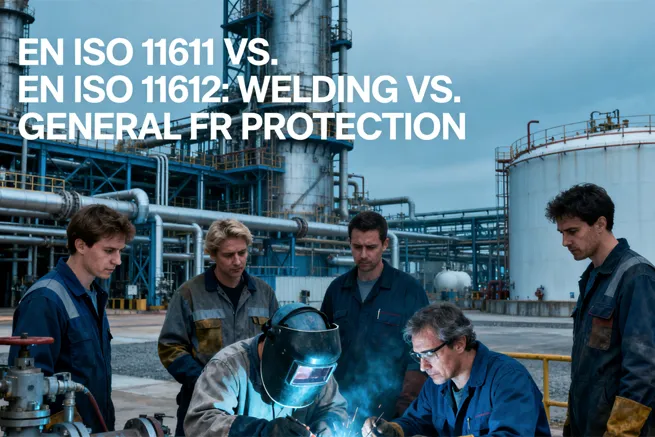
In high-risk environments like oil rigs, chemical plants, and electrical substations, workwear must meet stringent safety standards. Look for garments that comply with NFPA 2112 for flame resistance, NFPA 70E for arc flash protection, and ISO 11612 for flame/heat resistance, alongside ISO 811 for antistatic properties.
Opt for fabrics with inherent fire-retardant fibers, like Modacrylic blends, which are naturally antistatic. Avoid coated materials, as they can lose their protective properties after repeated washes.
Ensure your garments feature an adequate Arc Thermal Performance Value (ATPV). For example, CAT 3 protection is ideal for environments with a significant arc flash risk while maintaining antistatic properties.
Check for certifications such as EN 1149-5 for antistatic protection and relevant FR/AR certifications. Domex’s IFR (Industrial Flame Retardant) line excels in offering multi-hazard protection.
In some cases, consider pairing an antistatic FR base layer with an AR outer shell. Be sure to select layers that retain antistatic conductivity throughout wear.
Use industrial-grade detergents that are free of fabric softeners to preserve the garment’s antistatic qualities. Always follow the care labels for the best results.
Conduct periodic tests to ensure the garment’s antistatic properties are intact, such as surface resistance checks. Also, assess the integrity of FR and AR protection regularly.
Replace garments when antistatic protection degrades (e.g., visible static shocks) or after exposure to high-energy arcs, even if no visible damage is evident.
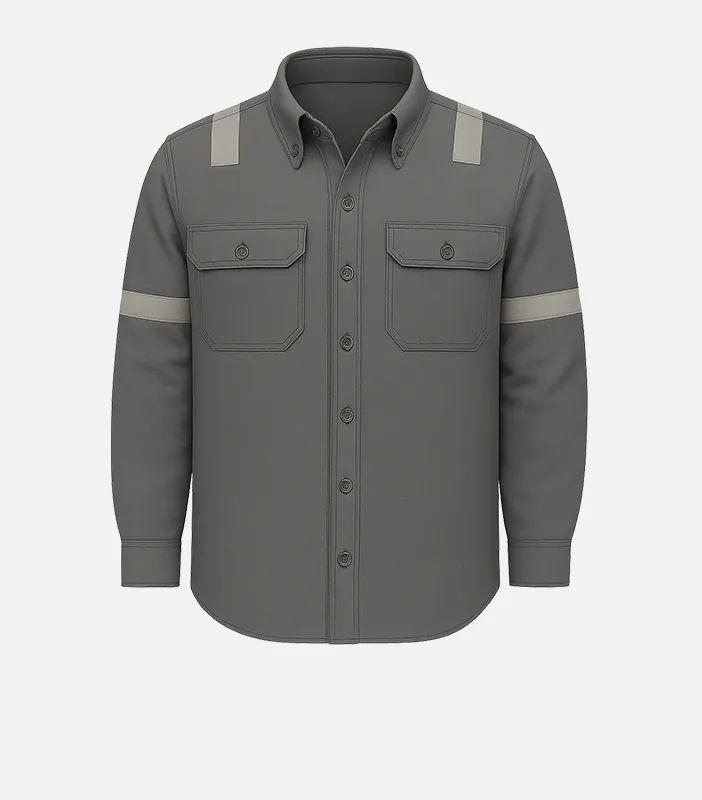
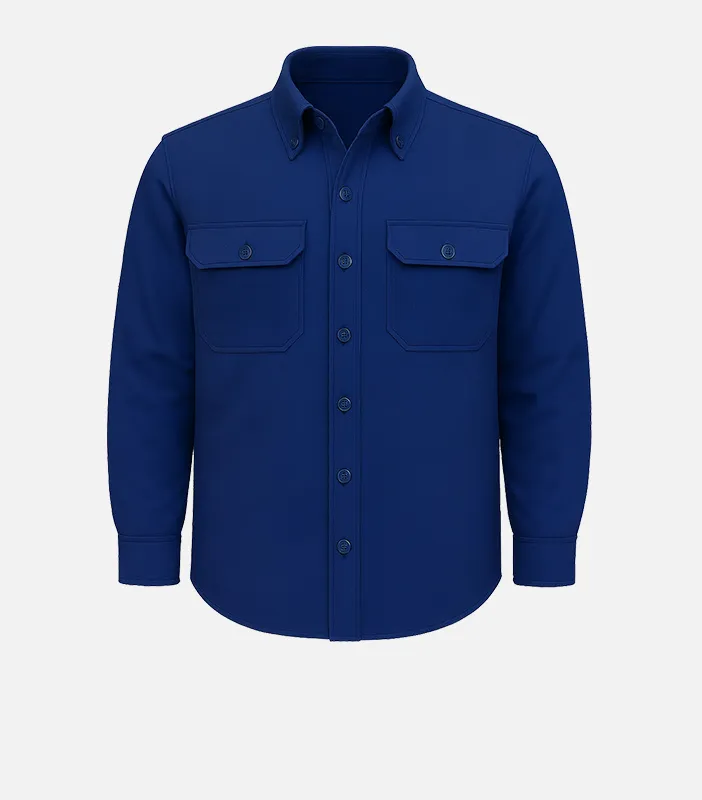
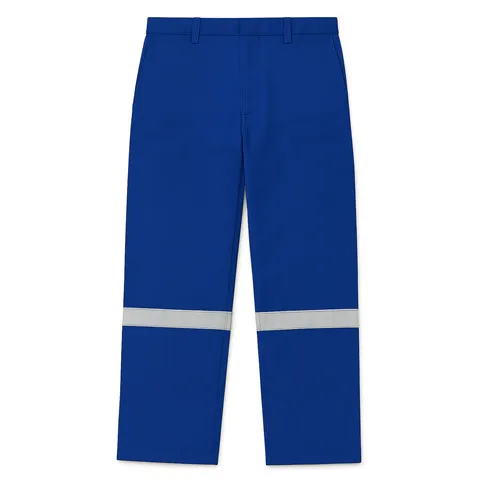
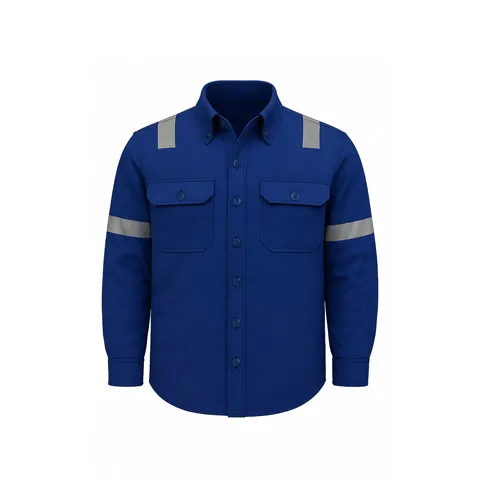
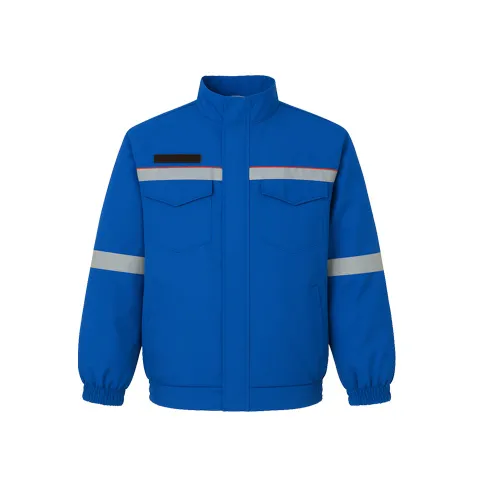
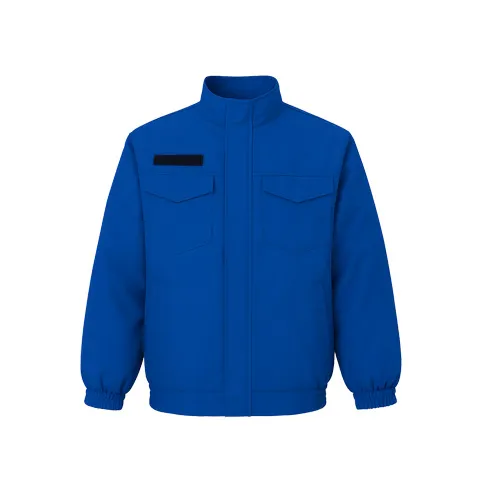
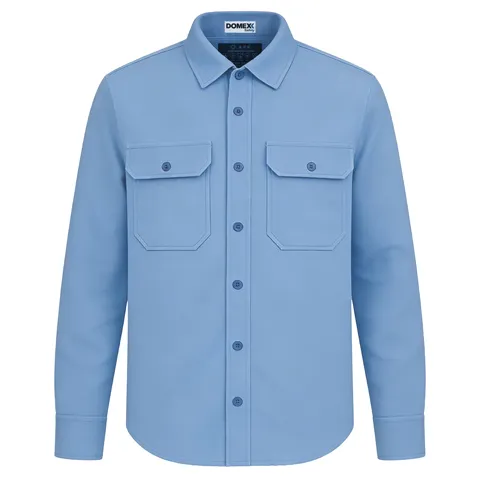
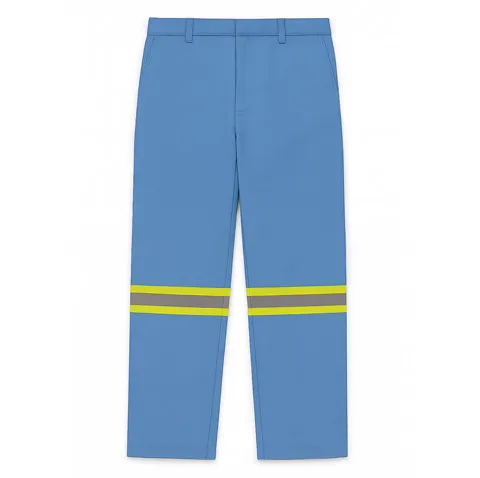
Our IFR workwear series adopts high-performance fiber technology to integrate flame retardant, arc flash and antistatic triple protection. Fully compliant with international safety standards, our garments deliver outstanding durability and wearing comfort. We provide customized professional safety workwear solutions for high-risk industries to protect your staff at all times.