English
Not all high visibility clothing is the same. Different industries require different levels of protection, durability, and comfort. Choosing the wrong type of hi-vis workwear can reduce effectiveness and increase safety risks.
Understanding how to select the right high visibility clothing for your specific industry helps ensure both safety and performance.
Select high visibility workwear based on risk level, visibility class, working conditions, and compliance standards.
The right choice depends on where and how the garment will be used.
The first step is understanding the working conditions.
Ask:
Is the work indoors or outdoors?
Are vehicles or heavy machinery present?
Is visibility affected by weather or lighting?
Higher-risk environments require higher visibility levels.
Hi-vis garments are typically divided into three classes:
Class 1 – Low-risk environments
Class 2 – Medium-risk industrial work
Class 3 – High-risk environments (e.g. roadwork, highways)
Always match the class to the hazard level.
Fabric selection affects both performance and comfort.
Consider:
Breathability for hot environments
Durability for heavy-duty work
Lightweight vs heavier fabrics
Good material improves worker comfort and compliance.
Different job roles require different designs.
Common options include:
Hi-vis vests for lightweight use
Jackets for outdoor work
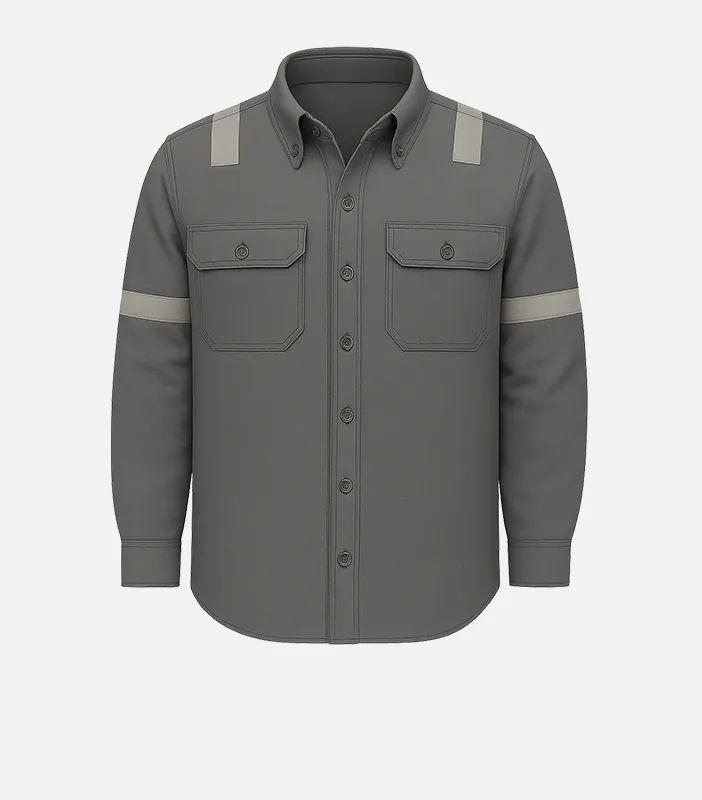
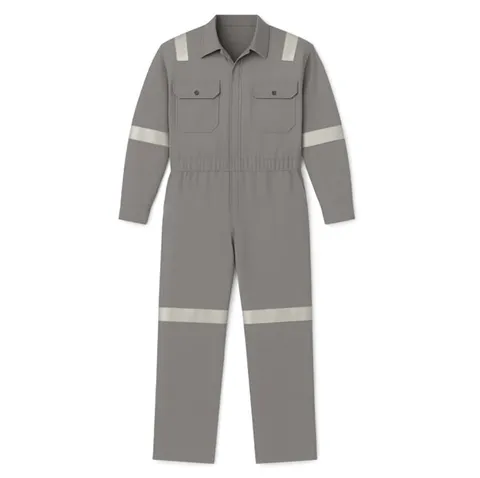
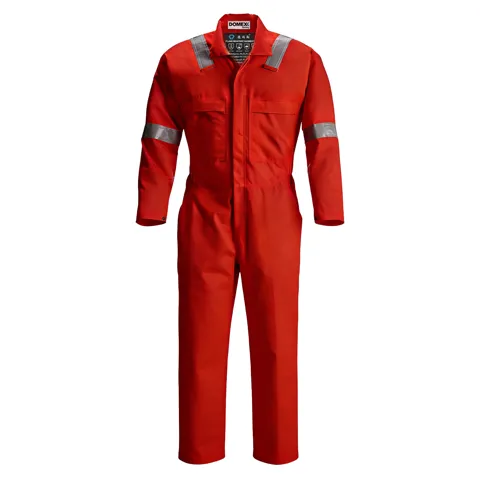
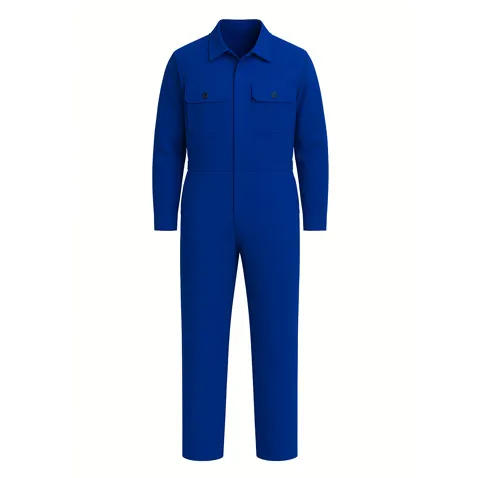
Coveralls for full-body protection
Choose based on task requirements.
In many industries, visibility alone is not enough.
Look for garments that combine:
Flame resistance (FR)
Anti-static protection
Arc flash protection
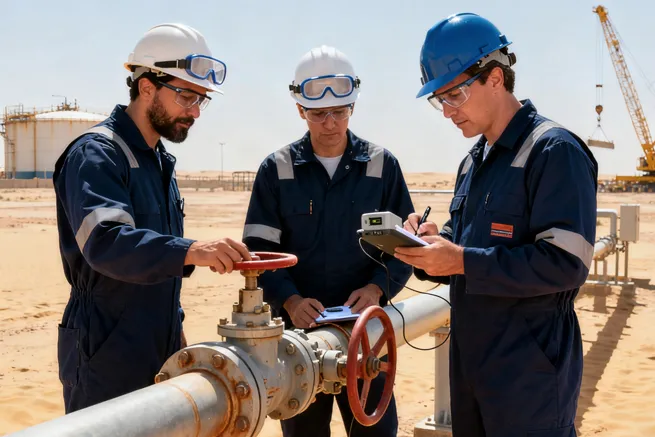
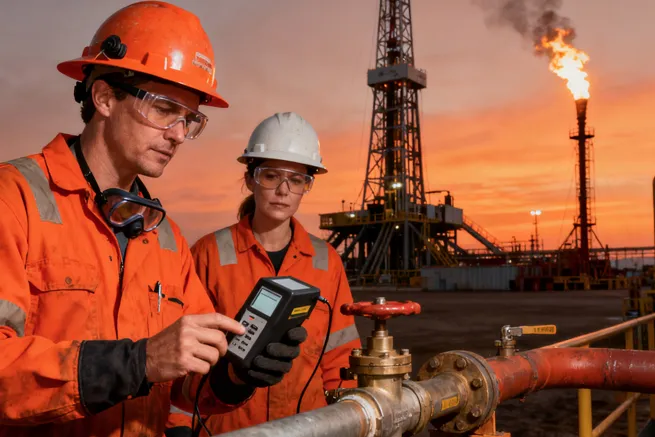
This is especially important in oil & gas and industrial environments.
Ensure garments meet recognized standards:
EN ISO 20471 – High visibility clothing
AS/NZS 1906.4 – Reflective materials
Certification ensures reliability and safety.
Working conditions vary greatly.
Important factors:
Hot climates → lightweight, breathable fabrics
Cold environments → insulated hi-vis jackets
Long shifts → ergonomic design
Comfort improves safety compliance.
Hi-vis performance depends on proper care.
Wash according to instructions
Avoid harsh detergents
Replace garments when reflective elements fade
Maintenance ensures long-term visibility.
Choosing the right high visibility workwear is essential for reducing risks and improving workplace safety. By considering environment, standards, and garment design, companies can select protective clothing that meets both safety requirements and operational needs.
The right hi-vis solution is not just about compliance—it is about keeping workers safe every day.