English
When it comes to flame-resistant (FR) clothing, selecting the right safety standards is crucial to ensure the protection of workers in high-risk environments. Different industries have different requirements when it comes to arc flash, fire, and heat protection. Among the leading flame-resistant standards are NFPA 2112 (for industrial settings in the U.S.) and EN ISO 11611/11612 (for European and international applications).
This article will compare these two widely recognized standards to help you choose the right FR workwear for your workforce, whether you're in oil & gas, construction, or manufacturing.
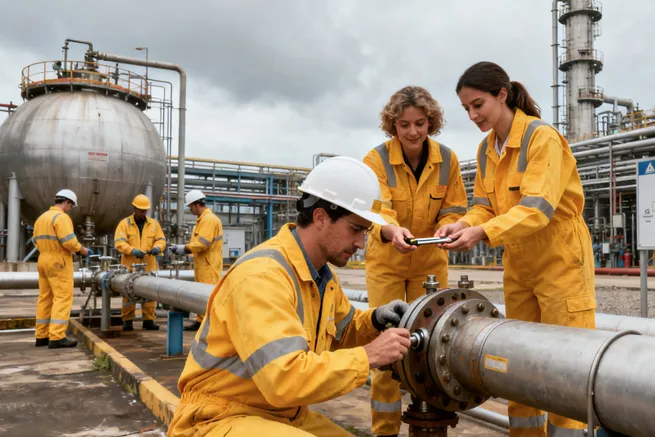
NFPA 2112 is a U.S. standard developed by the National Fire Protection Association (NFPA), specifically for flame-resistant clothing used in high-risk industries. It focuses on protecting workers from flash fires that can occur in environments like oil rigs, chemical plants, and petrochemical manufacturing facilities.
Key features of NFPA 2112 include:
Flash Fire Protection: NFPA 2112 is designed to protect workers from flash fires, which are sudden and intense bursts of flame that can last from one to three seconds.
Thermal Protection: It sets requirements for flame-resistant materials that prevent second-degree burns in the event of a flash fire.
Certification: Clothing and garments tested under NFPA 2112 must undergo rigorous testing, including exposure to real-life flame conditions, to ensure the highest level of protection.
EN ISO 11611 and EN ISO 11612 are European standards for flame-resistant clothing. They are widely used in industries such as welding, metalworking, and general industrial applications where workers are exposed to flame, heat, or arc flash hazards.
EN ISO 11611: Protective Clothing for Welding and Allied Processes
This standard applies specifically to workers who are exposed to welding hazards. It focuses on protecting workers from flames, hot metals, and spatter.
Key features of EN ISO 11611 include:
Welding-Specific Protection: EN ISO 11611 is tailored to the needs of welders and others working with welding equipment.
Heat and Flame Resistance: It provides protection from direct flame contact and the radiant heat typically found in welding processes.
Thermal Insulation: This standard ensures that the clothing maintains thermal insulation, preventing heat from reaching the worker's skin.
EN ISO 11612: Protective Clothing Against Heat and Flame
EN ISO 11612 is a broader standard applicable to a wide range of industries, including metalworking, chemical plants, and mining, where workers are exposed to high temperatures, flames, or molten metal splashes.
Key features of EN ISO 11612 include:
Heat Resistance: This standard is designed to protect workers from heat exposure, including flame contact, radiant heat, and molten metal splashes.
Wide Industry Applications: EN ISO 11612 is not limited to welding. It also covers industries where workers are at risk of general fire hazards and heat exposure from industrial equipment.
NFPA 2112 is primarily focused on flash fire protection and is specifically suited for workers in industries like oil & gas, petrochemicals, and hazardous chemical processing. It is essential for those exposed to quick bursts of flame in volatile environments.
EN ISO 11611 is tailored to welding and metalworking, providing protection from welding spatter, hot metals, and arc welding processes. This standard is highly applicable for workers in construction, welding shops, and manufacturing plants.
EN ISO 11612, on the other hand, applies to workers exposed to general flame and heat hazards across industries like metalworking, mining, and foundries, where heat and molten metal splashes are common.
NFPA 2112 focuses on flash fire protection and thermal protection. The garments tested under this standard must pass strict fire resistance tests and provide protection against rapid and intense flame exposure.
EN ISO 11611 and EN ISO 11612 focus on protection from radiant heat, flame contact, and molten metal splashes. These standards have specific tests to evaluate thermal insulation and flame resistance, ensuring that workers are protected from prolonged exposure to heat.
NFPA 2112 is primarily used in the U.S. and is widely accepted in North America for industries with a high flash fire risk.
EN ISO 11611/11612 is more commonly used in Europe and other global regions with welding, metalworking, and general industrial operations.
The choice between NFPA 2112 and EN ISO 11611/11612 depends largely on your specific industry and the hazards your workers face:
For workers in high-risk, flash fire environments (oil & gas, petrochemicals, etc.), NFPA 2112 is the ideal standard as it provides the highest level of flash fire protection.
For workers exposed to welding and molten metal hazards, EN ISO 11611 is the best choice, offering targeted protection for welders.
For industries exposed to general heat and flame hazards (metalworking, foundries, etc.), EN ISO 11612 is the recommended standard as it provides comprehensive protection against flame, heat, and molten splashes.
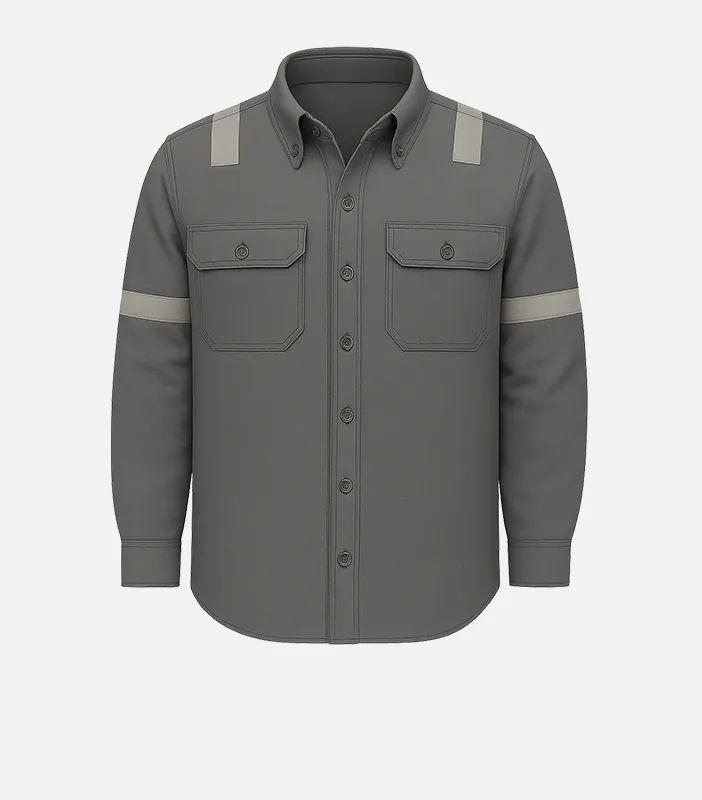
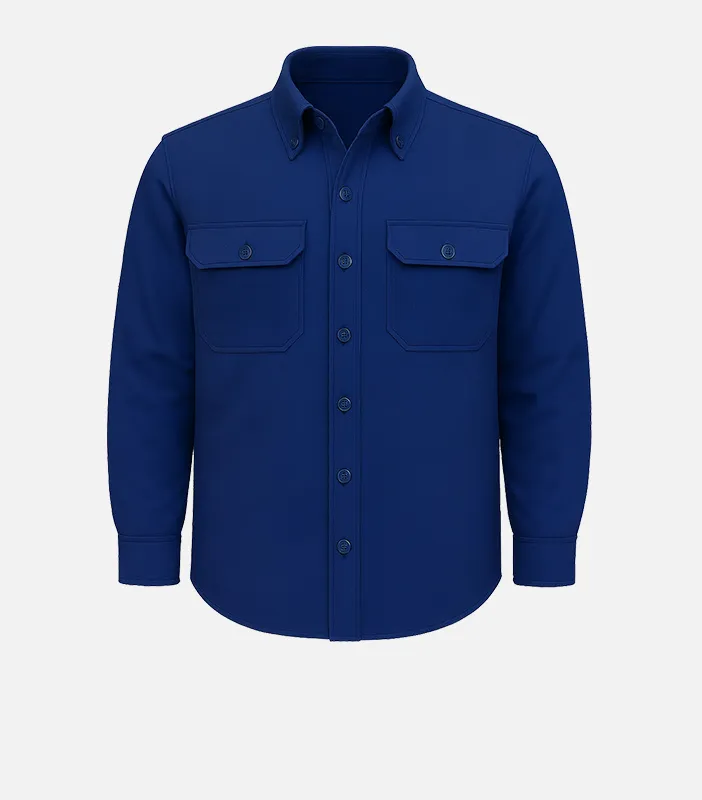
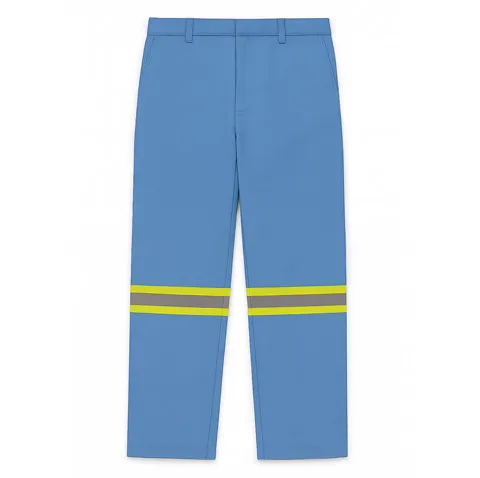
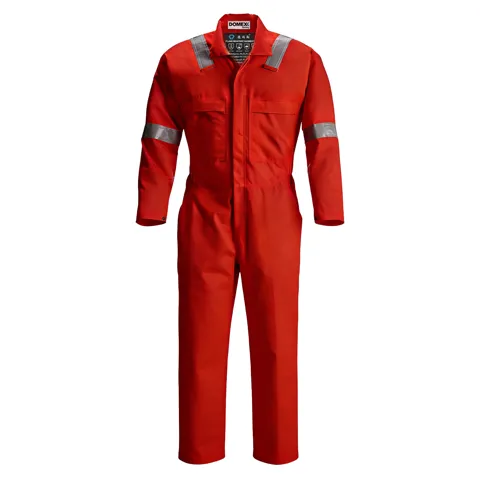
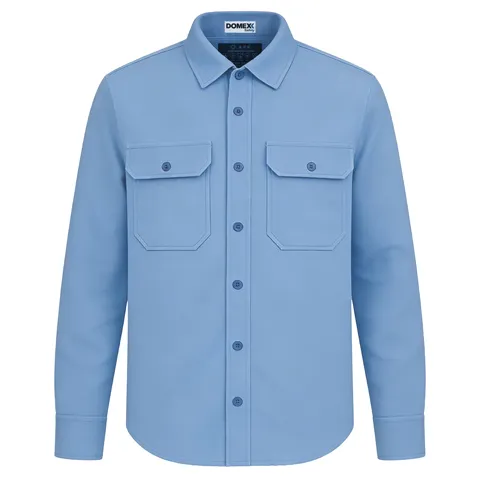
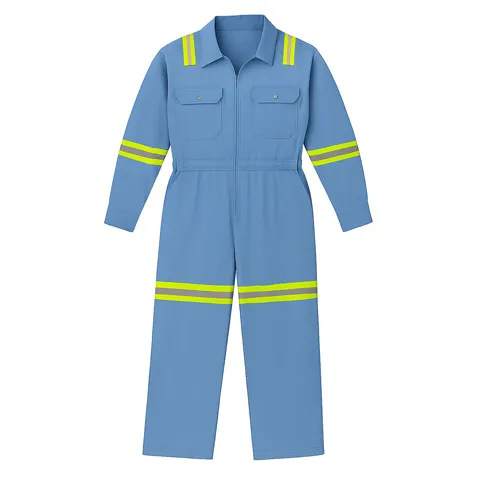
At Domex Safety, we offer a range of flame-resistant clothing tailored to meet global safety standards. Whether your workers are exposed to flash fires, welding hazards, or general flame and heat exposure, our FR workwear provides reliable protection in line with NFPA 2112, EN ISO 11611, and EN ISO 11612 standards.
Explore our range of high-performance FR clothing today to protect your workforce and ensure compliance with the highest safety standards.
Understanding the differences between NFPA 2112 and EN ISO 11611/11612 is essential when choosing the right flame-resistant clothing for your workforce. By selecting the appropriate standard, you ensure the safety and well-being of your workers while maintaining compliance with industry regulations.