English
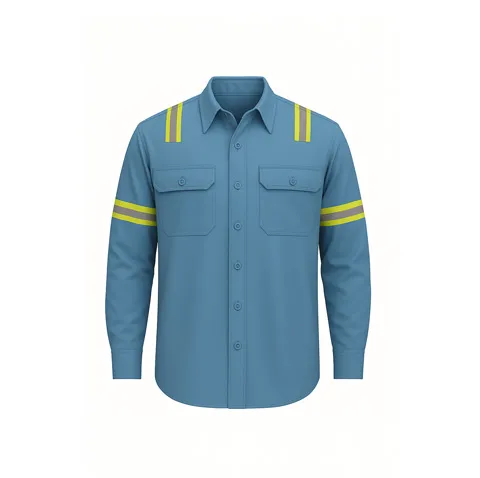
When selecting high visibility workwear, many buyers focus on standards and reflective performance—but often overlook one important factor: color choice.
The two most commonly used colors in hi-vis clothing are yellow and orange. Each serves a specific purpose depending on the working environment. Choosing the right color can improve visibility and reduce safety risks.
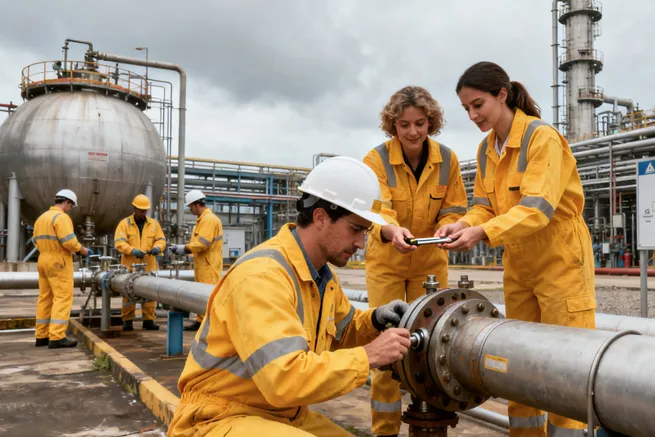
Yellow offers better visibility in low-light and indoor environments, while orange is more effective in outdoor and high-contrast settings such as roadwork.
The best choice depends on your working environment.
Hi-vis clothing works by increasing contrast between workers and their surroundings.
Color affects:
Visibility distance
Recognition speed
Performance in different lighting conditions
Choosing the wrong color can reduce effectiveness—even if the garment meets standards.
Yellow is one of the most widely used hi-vis colors.
Best for:
Indoor environments
Warehouses and logistics
Low-light conditions
Night work
Key benefits:
High brightness and visibility
Strong contrast in darker environments
Effective under artificial lighting
Ideal for general industrial use.
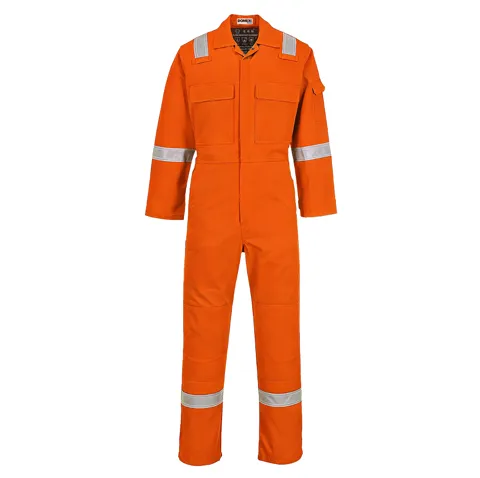
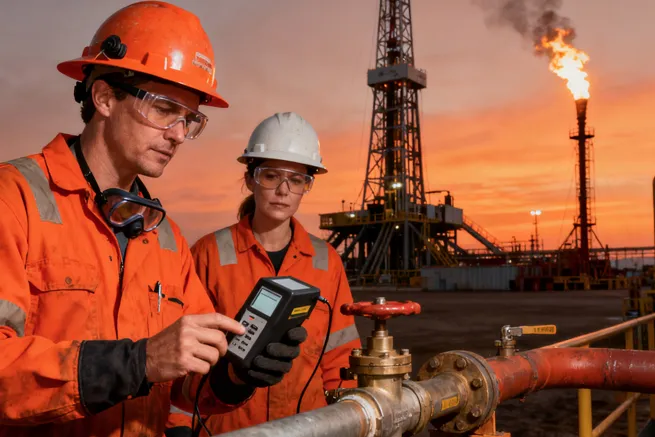
Orange is commonly used in outdoor and high-risk environments.
Best for:
Road construction
Railways and transportation
Outdoor work environments
Areas with natural backgrounds
Key benefits:
Strong contrast against natural surroundings
Highly visible in daylight
Commonly required in roadwork regulations
Preferred for traffic-related industries.
Factor | Yellow | Orange |
Visibility in low light | Excellent | Good |
Outdoor contrast | Moderate | Excellent |
Indoor use | Best choice | Less common |
Roadwork suitability | Limited | Preferred |
Selecting the right color depends on:
Work environment (indoor vs outdoor)
Background color and surroundings
Industry requirements
Visibility risk level
Always choose the color that creates the strongest contrast.
Standards such as EN ISO 20471 define acceptable colors for hi-vis clothing, including yellow and orange.
However, specific industries or regulations may require certain colors—for example:
Orange is often mandatory in roadwork
Yellow is common in general industrial use
Yes. Some garments combine yellow and orange panels to improve visibility in mixed environments.
This approach:
Enhances contrast
Improves recognition
Provides flexibility across different conditions
To maintain color visibility:
Wash according to instructions
Avoid harsh detergents
Replace garments when color fades
Store properly away from sunlight
Faded garments reduce visibility effectiveness.
Choosing between yellow and orange hi-vis workwear is not just a visual preference—it is a safety decision. The right color improves visibility, reduces risks, and ensures workers can be seen clearly in their environment.
Matching color to working conditions is a simple but effective way to enhance safety performance.