English
In many industrial environments, the greatest risks are not always visible. Static electricity can build up silently and discharge suddenly, creating sparks that may ignite flammable gases, vapors, or dust. EN 1149-5 defines how protective clothing should control this risk through effective electrostatic dissipation.
Understanding EN 1149-5 is essential for selecting anti-static workwear used in hazardous and explosive environments.
EN 1149-5 specifies the material and design requirements for protective clothing with electrostatic dissipative properties. Its primary goal is to reduce the risk of ignition caused by electrostatic discharge (ESD).
This standard applies to garments intended for use in potentially explosive atmospheres, excluding oxygen-enriched environments.
Static electricity can be generated by simple movements such as walking, bending, or fabric friction. In industries handling flammable substances, uncontrolled static discharge can result in:
Fires and explosions
Serious injuries or fatalities
Equipment and facility damage
Anti-static workwear helps safely dissipate these electrical charges, preventing dangerous sparks.
EN 1149-5 ensures that protective clothing:
Allows controlled dissipation of electrostatic charges
Maintains performance during normal use
Is suitable for integration with flame-resistant and arc-rated garments
Compliance helps ensure garments perform reliably in real industrial conditions.
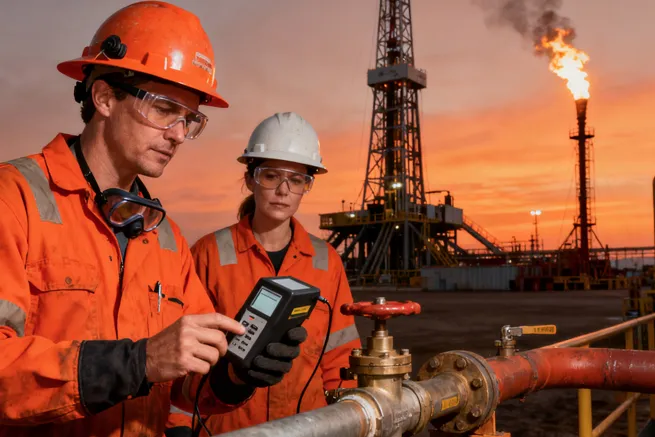
Anti-static protective clothing is widely used in:
Oil & gas exploration and refining
Petrochemical and chemical plants
Fuel storage and transfer facilities
Industrial maintenance in ATEX environments
In these sectors, anti-static protection is a fundamental safety requirement.
To maintain EN 1149-5 performance:
Wear garments fully closed and correctly fitted
Avoid mixing with non-compliant underlayers
Follow recommended washing and care instructions
Replace garments showing damage or contamination
Proper use and maintenance help preserve long-term protection.
EN 1149-5 provides a clear framework for controlling electrostatic risks through protective clothing. Choosing compliant anti-static workwear helps reduce ignition hazards, protect workers, and strengthen industrial safety systems.