English
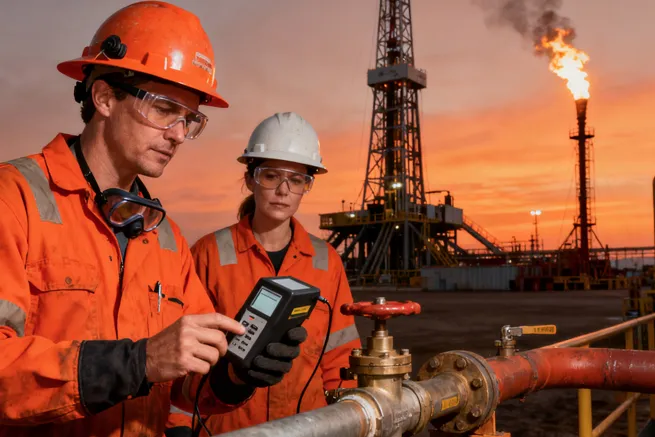
In high-risk industrial environments, protection against heat and flame is a fundamental safety requirement. EN ISO 11612 is the key European standard that defines performance requirements for protective clothing exposed to thermal hazards.
Understanding this standard helps safety managers and buyers select reliable flame-resistant workwear with confidence.
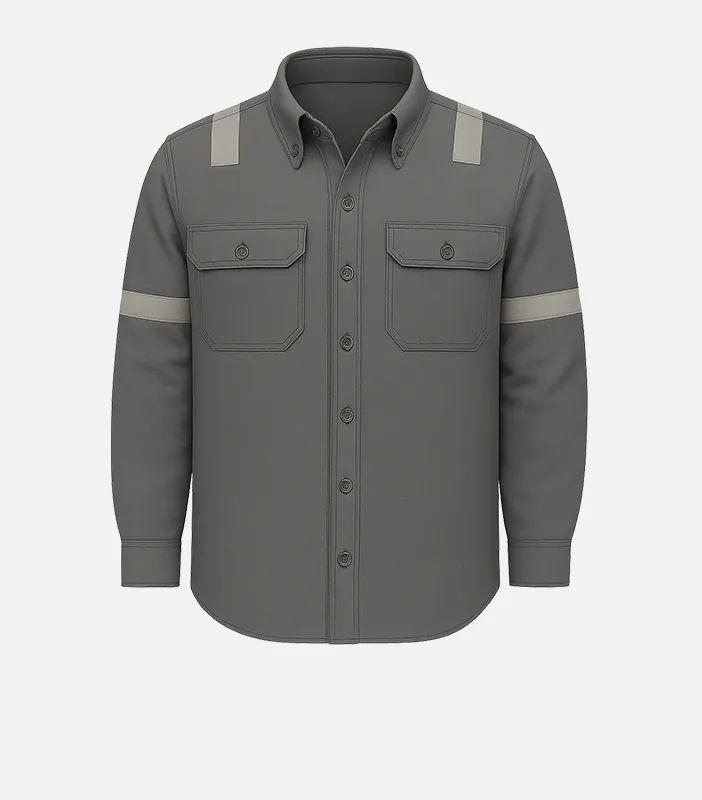
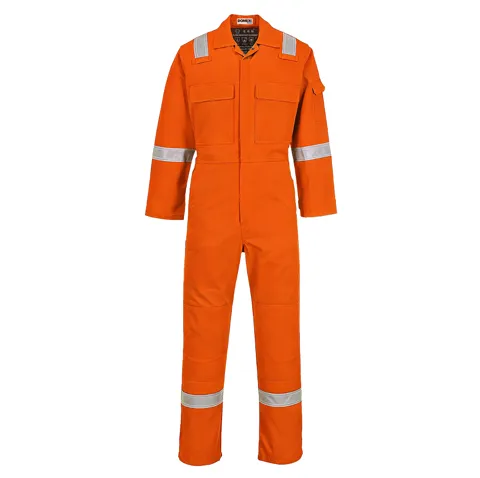
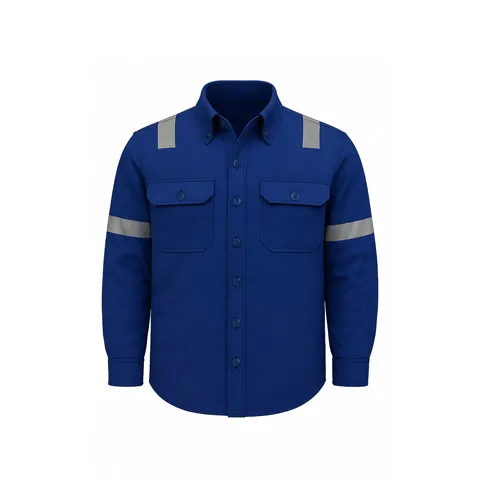
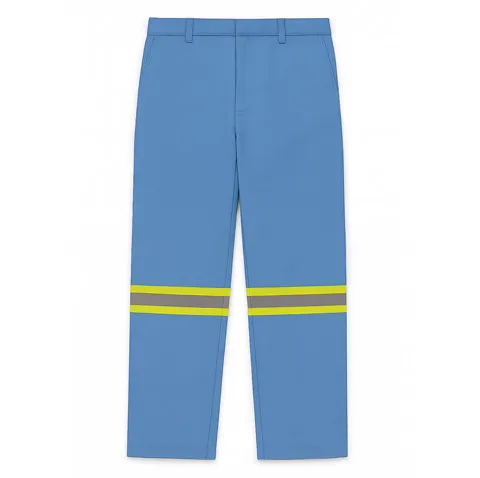
EN ISO 11612 specifies minimum performance requirements for clothing designed to protect workers from heat and flame exposure. It evaluates how garments perform under different thermal conditions commonly found in industrial workplaces.
This standard is widely applied in oil & gas, petrochemical, metal processing, and industrial maintenance sectors.
EN ISO 11612 classifies protection against several heat and flame risks, including:
Limited flame spread
Convective heat
Radiant heat
Contact heat
Garments may be certified for one or multiple protection types depending on workplace hazards.
1. REDUCES BURN INJURY SEVERITY
Certified garments are designed to self-extinguish and limit heat transfer, helping reduce injury severity during flash fire or heat exposure.
2. SUPPORTS SAFETY COMPLIANCE
EN ISO 11612 is commonly required in international tenders and safety programs, making it a benchmark for flame-resistant workwear.
3. BUILT FOR REAL WORKING CONDITIONS
The standard considers durability and performance suitable for daily industrial use.
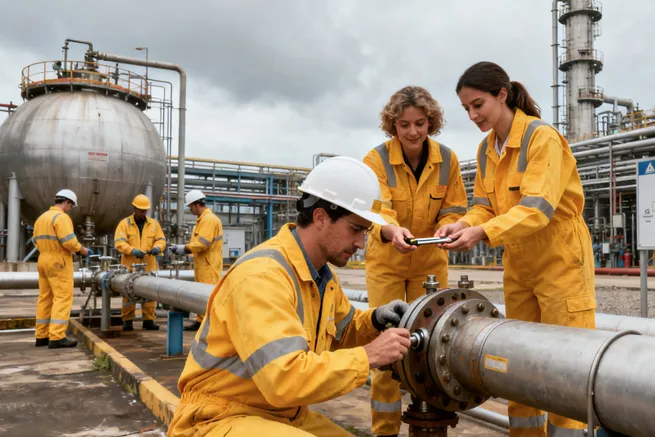
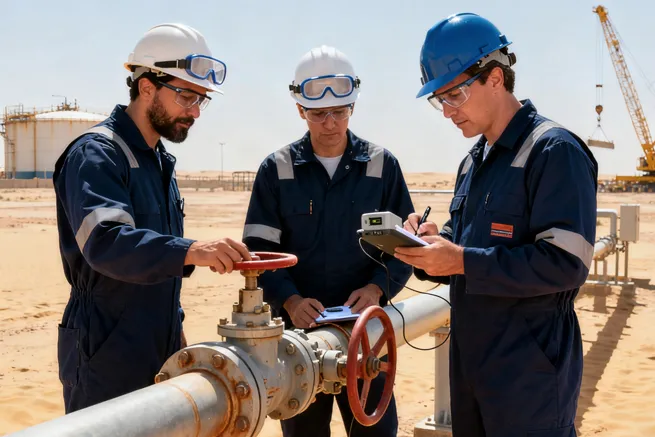
This standard is essential for workers in:
Oil & gas operations
Petrochemical and chemical plants
Welding and metal fabrication
Industrial maintenance environments
To maintain EN ISO 11612 performance:
Follow recommended industrial washing instructions
Avoid bleach and fabric softeners
Inspect garments regularly and replace damaged items
Proper care ensures long-term protection and compliance.
EN ISO 11612 provides a clear framework for flame and heat protection in industrial workwear. Choosing compliant garments helps protect workers, reduce risk, and strengthen workplace safety programs.