English
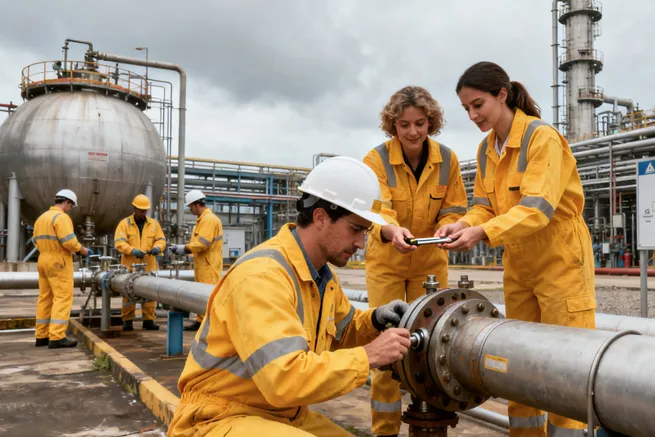
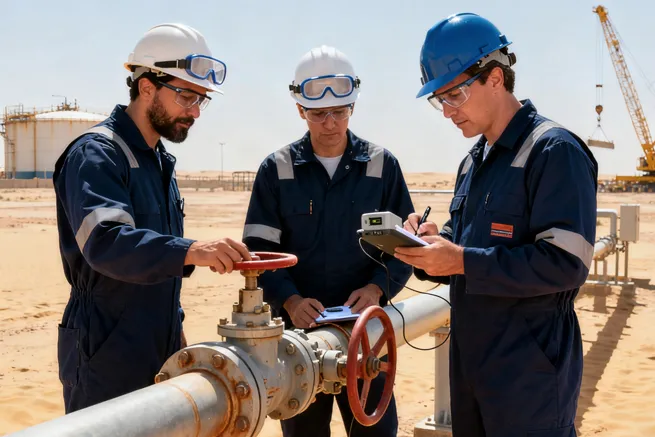
Working in petrochemical environments means facing constant thermal and fire hazards. EN ISO 11612 garments are engineered to protect workers from heat, flames, and flash fire exposure—making them essential PPE in refineries, chemical plants, and oil-processing facilities.
This standard evaluates how well a garment can resist:
Flame spread (A1/A2)
Convective heat (B)
Radiant heat (C)
Molten aluminum (D) or molten iron (E)
Contact heat (F)
For petrochemical workers, these risks exist daily—especially during operations, maintenance, and shutdowns.
Protection from Flash Fire Hazards
Refineries and chemical plants pose high ignition-risk conditions. EN ISO 11612 ensures garments self-extinguish and reduce burn injury.
Consistent Performance in Harsh Environments
Workers face heat, chemical vapors, and process-related thermal exposure. Certified FR fabrics maintain protective performance after repeated industrial washes.
Compliance with Global Safety Requirements
Many petrochemical companies—including major oil & gas operators—require FR garments that meet EN ISO 11612 as a baseline safety standard.
Look for PPE that offers:
Multi-hazard protection (FR + Anti-Static + Arc Rated)
Durable fabrics that resist shrinking and degradation
Certifications from accredited labs (EN ISO 11612 + EN 1149 + IEC 61482 if needed)
Comfortable, breathable blends suitable for long shifts
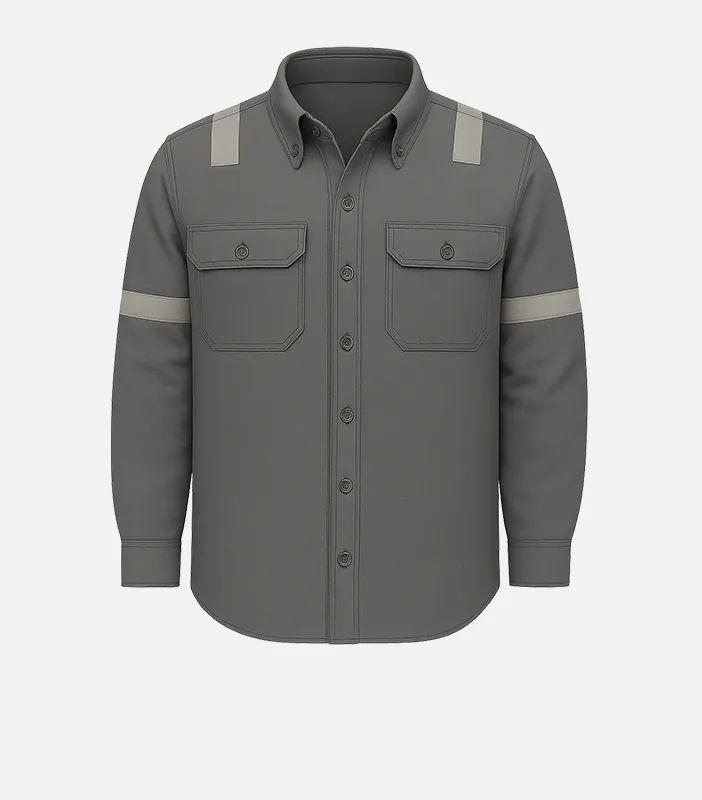
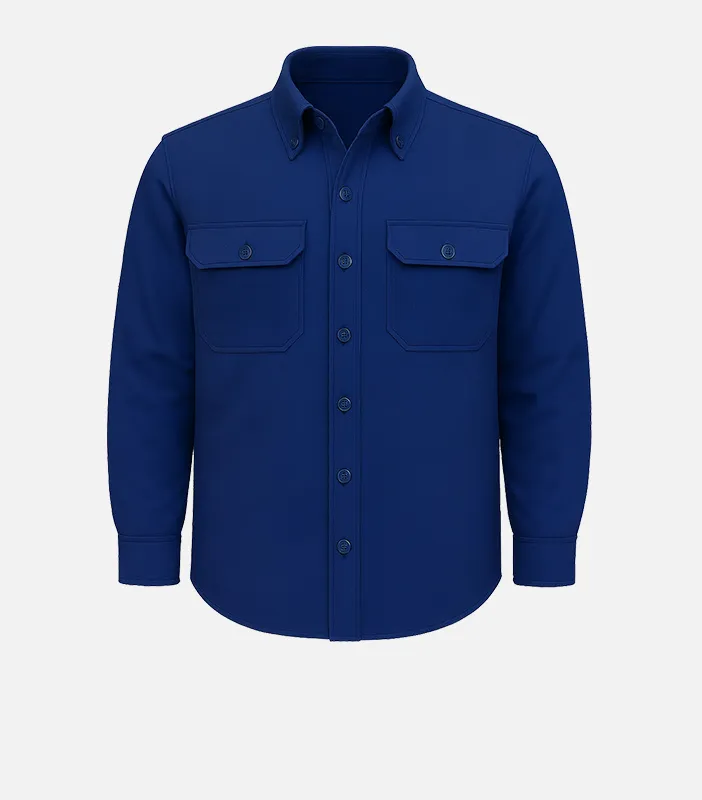
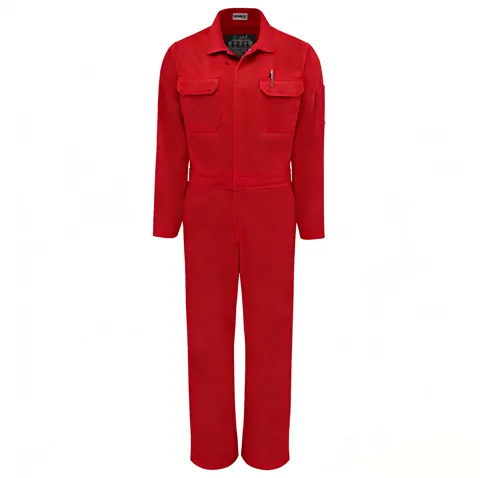
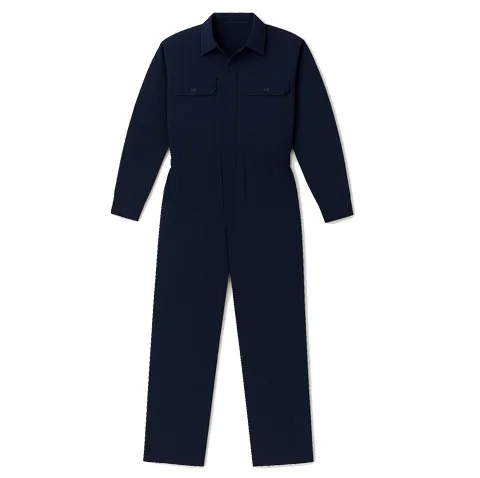
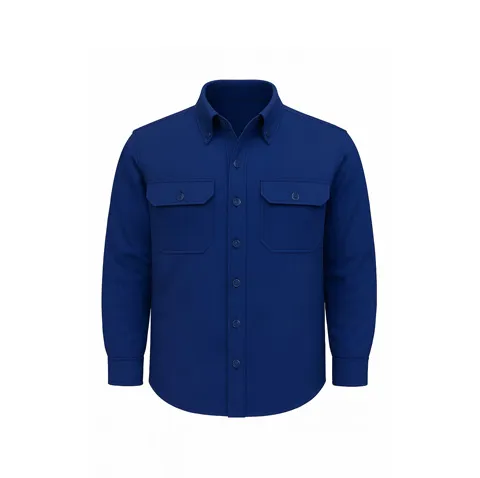
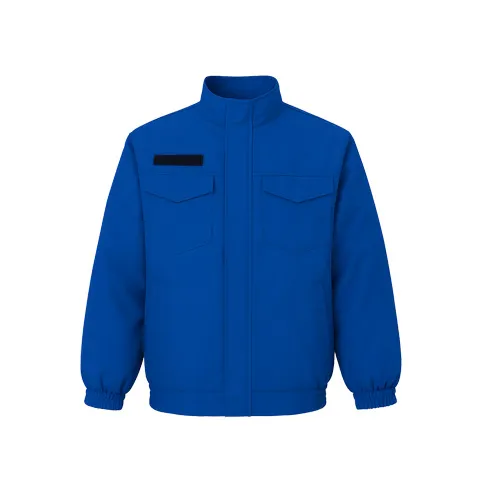
DOMEX Safety offers FR coveralls, jackets, shirts, and pants engineered specifically for petrochemical work.
EN ISO 11612 garments are not optional in petrochemical environments—they are life-saving PPE. Choosing certified, high-performance FR clothing ensures workers stay protected from flash fires and thermal hazards while meeting global safety requirements.