English
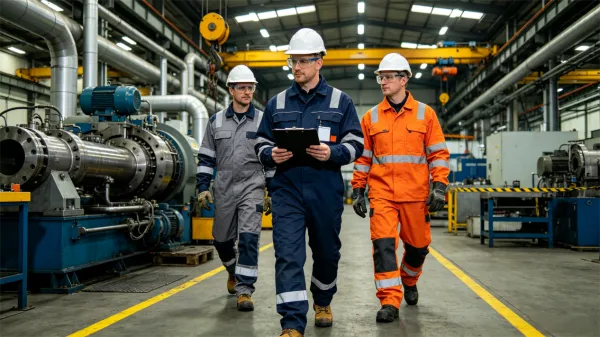
When sourcing flame resistant workwear, buyers often encounter two terms: FR (Flame Resistant) and IFR (Inherently Flame Resistant).
Both can be used to manufacture protective clothing for industries such as oil and gas, petrochemical, electrical utilities, and industrial maintenance. However, the way flame resistance is achieved can be very different.
Understanding this difference helps buyers select the right fabric based on protection requirements, garment life, comfort, and budget.
FR is a broad term for clothing designed to resist ignition and limit flame spread. In many workwear applications, FR fabrics are made from cotton or cotton-rich blends that receive a flame-resistant treatment during textile production.
Common examples include treated FR cotton and FR cotton/nylon blends. These fabrics are widely used because they offer a practical balance between protection, comfort, durability, and cost.
IFR usually refers to inherently flame resistant clothing. Instead of relying primarily on a chemical treatment applied to a conventional fiber, the flame-resistant properties come from the fiber itself. Common IFR materials include modacrylic and certain aramid-based blends. They are frequently selected for applications requiring long-term flame resistance or higher thermal performance.
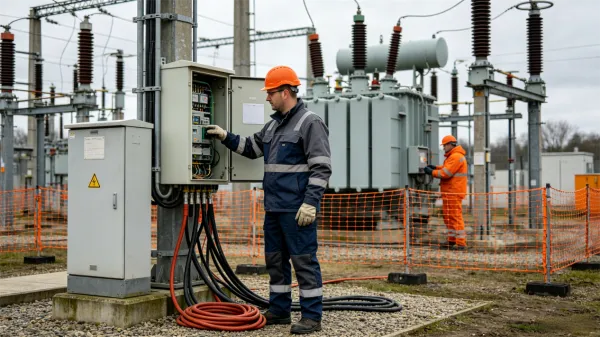
The biggest difference is how the flame resistance is achieved. Treated FR fabrics gain their protective properties through textile finishing or treatment, while inherent FR fabrics use fibers with flame-resistant characteristics built into their structure.
This does not automatically mean that IFR is always safer or better. Actual protection depends on the complete fabric system, garment design, applicable standard, test results, and workplace hazard.
For buyers, a properly tested FR fabric may be entirely suitable for one project, while another project may specifically require an inherent solution.
For general oil and gas workwear, industrial maintenance, and projects where cost and comfort are important, treated FR cotton or blended fabrics can be a practical choice.
IFR fabrics are more suitable when the project requires inherent flame resistance, lower fabric weight with specific thermal performance, or a longer-term protective solution.
The decision should therefore start with the hazard and required performance, rather than simply choosing FR or IFR by name.
Before placing a bulk order, buyers should confirm the fabric composition, GSM, applicable standard, test reports, required arc or thermal performance, washing requirements, and final garment construction.
Standards such as NFPA 2112, EN ISO 11612, ASTM F1506, and IEC 61482 may apply depending on the workplace and project specification.
A reliable manufacturer should be able to explain why a particular fabric is suitable instead of simply offering the most expensive option.
FR and IFR clothing can both provide effective protection when correctly selected and tested. The key difference lies in the fabric technology, while the right choice depends on the actual hazard, required standards, comfort, service life, and project budget.
For procurement teams, comparing verified performance is more useful than judging protective clothing only by whether it is labeled FR or IFR.
DOMEX focuses on the design and innovation of specialized protective apparel, with deep expertise in core safety technologies such as flame resistance and anti-static protection. We provide safe and reliable professional protective solutions for the industrial, electrical, oil, and chemical sectors, and are committed to becoming a globally trusted protective brand.

This is the first one.