English
In hazardous environments where flammable gases, vapors, or dust are present, static electricity can be as dangerous as open flames. A small electrostatic discharge is enough to ignite an explosive atmosphere. That’s why anti-static workwear plays a critical role in industrial safety programs.
This guide explains EN 1149-5, how anti-static clothing works, and why it is essential for hazardous areas.
Static electricity builds up when materials rub against each other or separate. In industrial environments, static charge can accumulate on clothing, especially when workers move, bend, or work in dry conditions.
If that charge is suddenly discharged, it can create a spark capable of igniting:
Flammable gases
Vapors
Combustible dust
In hazardous zones, static control is a core safety requirement, not an optional feature.
Anti-static workwear is designed to dissipate electrostatic charges safely, preventing sudden discharge. This is achieved through:
Conductive or dissipative fibers integrated into the fabric
Controlled electrical resistance
Stable performance during wear and laundering
Anti-static protection is built into the garment structure, ensuring consistent performance during daily use.
EN 1149-5 is a European standard that specifies performance requirements for anti-static protective clothing used in potentially explosive atmospheres.
It focuses on the garment’s ability to:
Prevent dangerous electrostatic charge build-up
Safely dissipate static electricity
Reduce ignition risk in hazardous areas
EN 1149-5 is commonly referenced for PPE used in ATEX-classified environments.
Garments compliant with EN 1149-5 are designed to work as part of a grounded system, including:
Conductive footwear
Appropriate flooring
Proper work practices
The clothing helps ensure static charges are continuously dispersed rather than stored.
Important note: Anti-static clothing reduces risk — it does not make environments “spark-proof.” Proper system design remains essential.
Many hazardous environments involve both ignition risk and fire exposure.
Anti-static protection reduces the chance of ignition
Flame-resistant protection reduces injury if ignition occurs
For industries such as oil & gas and petrochemical operations, combining EN 1149-5 anti-static performance with flame-resistant fabrics provides a more complete safety solution.
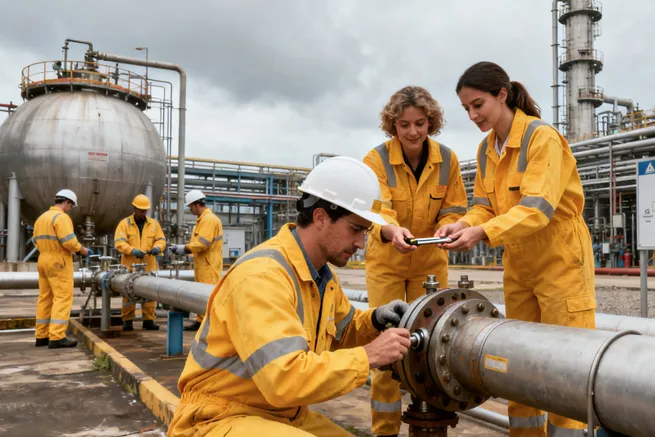
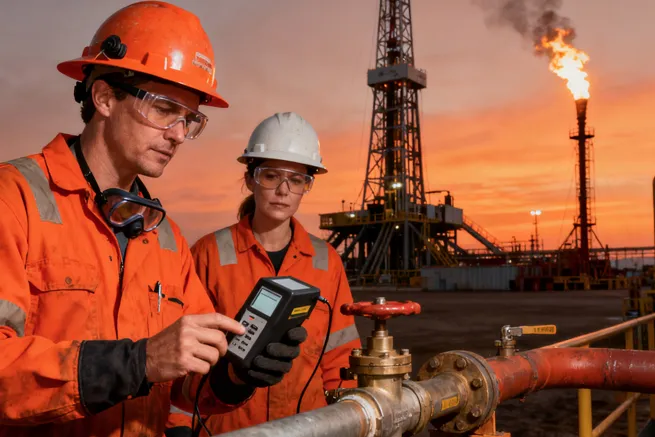
Anti-static workwear is especially important in:
Oil & gas production and refining
Petrochemical plants
Chemical manufacturing
Fuel handling and storage
Industrial maintenance in explosive atmospheres
In these sectors, EN 1149-5 compliance is often required by safety regulations and client specifications.
Proper care is essential to preserve anti-static properties:
Follow garment care instructions carefully
Avoid fabric softeners that can insulate fibers
Use approved detergents
Inspect garments regularly for wear or damage
Improper washing can reduce static dissipation performance over time.
When selecting EN 1149-5 compliant garments, safety managers should consider:
Confirmed EN 1149-5 compliance
Compatibility with flame-resistant or arc-rated requirements
Durability under industrial laundering
Proper fit and comfort for long shifts
Integration with other PPE (footwear, gloves, helmets)
Anti-static protection should be part of a complete PPE system, not a standalone decision.
EN 1149-5 anti-static workwear plays a vital role in preventing ignition in hazardous environments. By safely dissipating static electricity, these garments help reduce explosion risk and support safer operations. When combined with flame-resistant and arc-rated protection, anti-static clothing becomes a key element of modern multi-hazard PPE strategies.