English
It’s a common assumption in industrial safety: if a fabric has excellent flame-resistant (FR) performance, it must also provide superior arc flash protection. However, while both are related to heat and flame, flame resistance and arc resistance are not the same thing. Understanding the difference is critical when selecting PPE that truly keeps workers safe.
Flame resistance (FR) means the fabric will not ignite, melt, or continue to burn once the heat source is removed.
Arc resistance, on the other hand, measures how well a material can withstand the intense thermal energy and pressure of an electrical arc event.
A fabric may be excellent at resisting flame, but that doesn’t guarantee it can handle the instant energy surge of an arc flash—which can reach temperatures over 19,000°C in milliseconds.
Flame-resistant fabrics are tested under EN ISO 11612 or NFPA 2112, focusing on ignition and heat transfer from open flame.
Arc-rated fabrics are tested under ASTM F1959 or IEC 61482-1-1, which measure Arc Thermal Performance Value (ATPV) or Energy Breakopen Threshold (EBT) — the actual energy level the fabric can withstand before causing a burn.
Only materials that pass arc testing can be labeled Arc-Rated (AR) and used for electrical hazard protection.
Many FR cotton or polyester-blend garments resist flames but fail under arc exposure because they lack the thermal insulation and energy absorption capacity needed to prevent fabric breakopen.
Therefore, all arc-rated fabrics are flame-resistant, but not all flame-resistant fabrics are arc-rated.
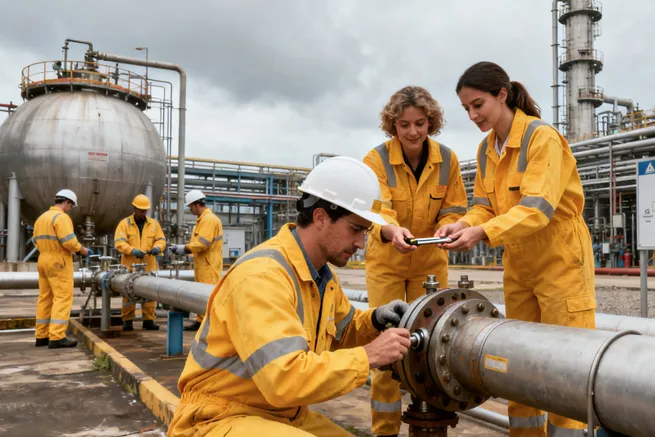
General industry or flash fire risk: FR garments compliant with EN ISO 11612 or NFPA 2112 are suitable.
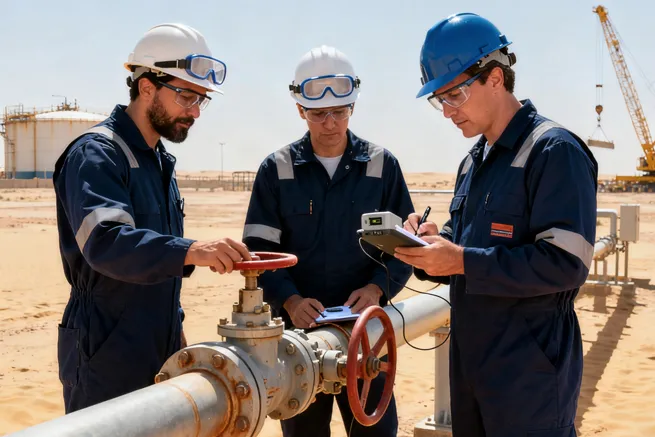
Electrical or energy work: Use Arc-Rated PPE (AR) compliant with NFPA 70E, ASTM F1506, or IEC 61482-2.
Always check the label for ATPV (cal/cm²) and certification markings before purchasing.
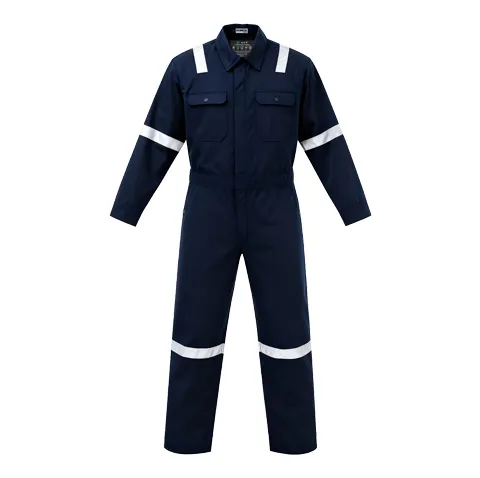
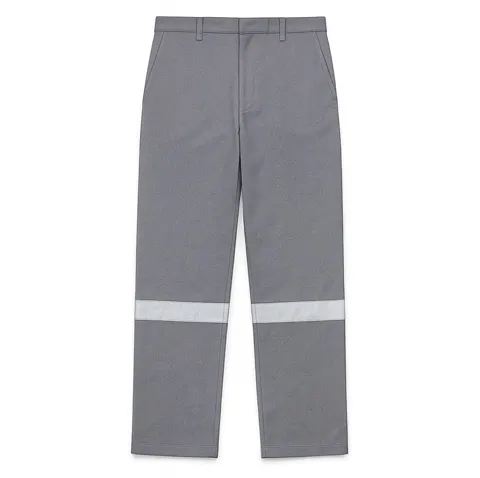
At DomexSafety.com, we develop dual-certified FR and arc flash garments that meet EN ISO 11612, EN 1149-5, and NFPA 70E standards.
Our fabrics combine superior flame resistance with verified arc protection, ensuring every worker stays safe — whether facing open flame or electrical energy.