English
Arc flash protection starts with the fabric itself. While design and layering matter, the fabric’s ability to resist ignition, insulate against heat, and self-extinguish determines how well it protects workers from an electrical arc. Understanding how these materials work helps you choose safer, longer-lasting arc flash workwear.
Arc flash fabrics are engineered to withstand the intense thermal energy released during an electrical fault — often exceeding 19,000°C in milliseconds.
Unlike ordinary textiles, they are tested under ASTM F1959 or IEC 61482-1-1 to determine their Arc Thermal Performance Value (ATPV) or Energy Breakopen Threshold (EBT) — the amount of energy (in cal/cm²) the fabric can resist before causing second-degree burns.
Inherent FR fabrics (e.g., aramid, modacrylic, or blends) are flame-resistant by their fiber chemistry. The protection is built in for life, so it won’t wash out.
Treated cotton fabrics use chemical finishes to create flame-resistant properties. They are comfortable and cost-effective but must be maintained correctly to preserve protection.
Both can meet NFPA 70E, EN ISO 11612, and EN 1149-5 standards — as long as the fabric passes the required arc and flame tests.
When exposed to an arc, FR fabrics:
1.Carbonize and thicken — creating an insulating barrier between the skin and heat.
2.Do not melt or drip, unlike synthetic materials.
3.Self-extinguish once the ignition source is removed.
This reaction limits thermal transfer and gives workers precious seconds to escape serious burns.
CAT 1–2 (4–25 cal/cm²): Lightweight FR cotton or modacrylic blends — ideal for electricians, plant maintenance, and utilities.
CAT 3–4 (25–40+ cal/cm²): Multi-layer aramid or blended systems for oil & gas, power generation, or substation operations.
Always match the fabric’s ATPV to your job’s incident-energy analysis.
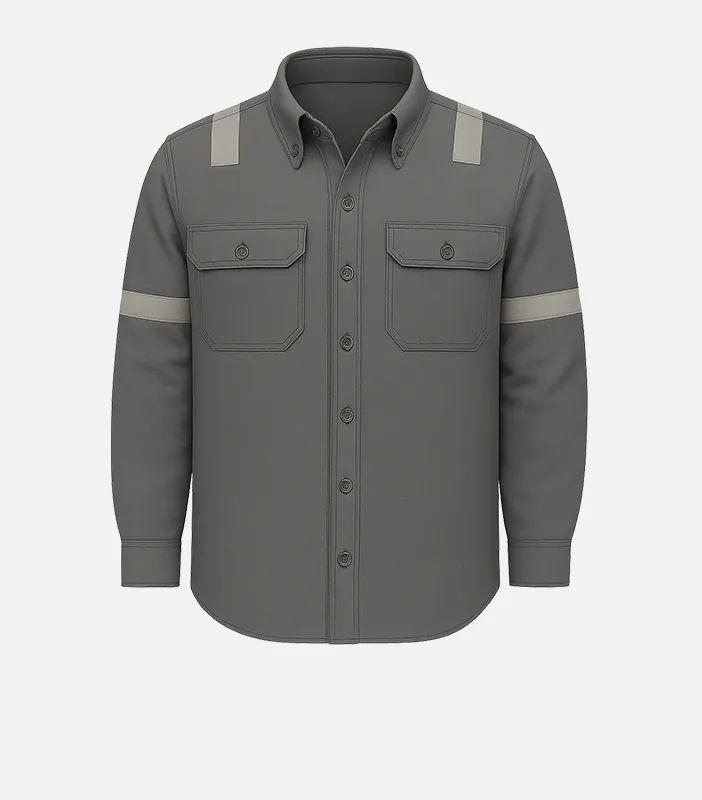
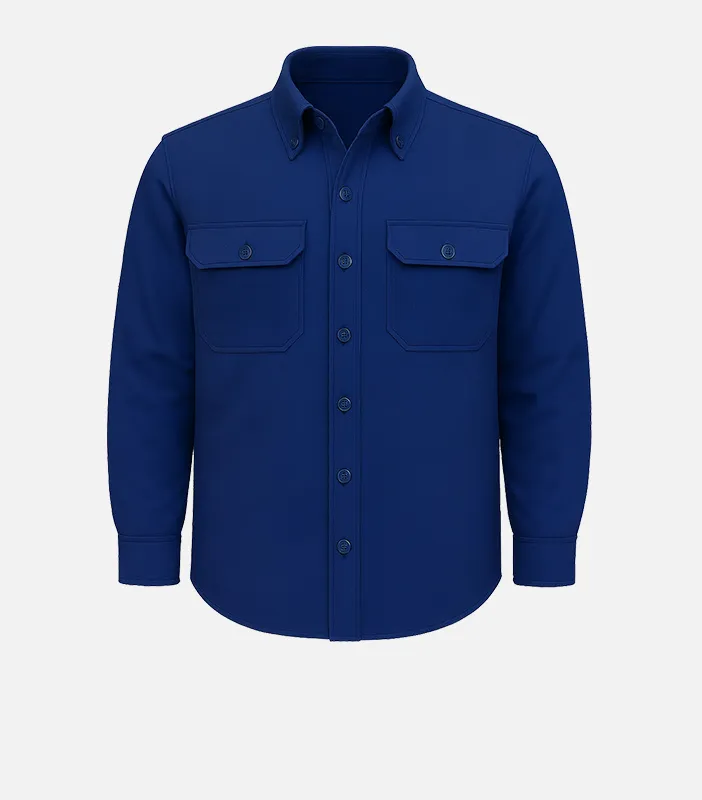
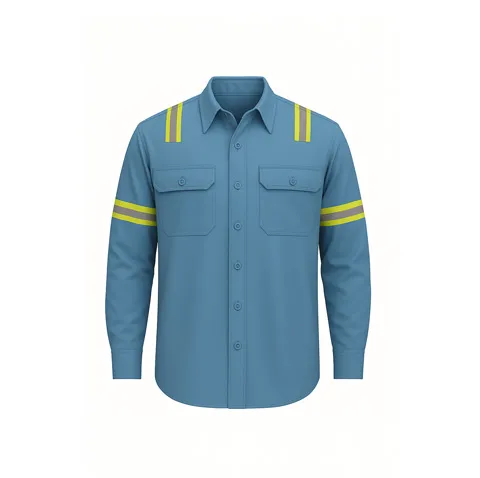
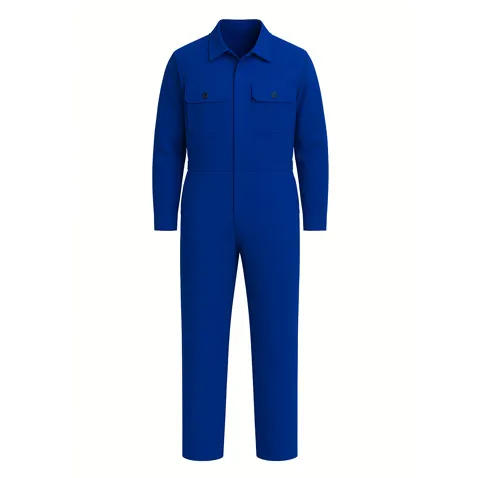
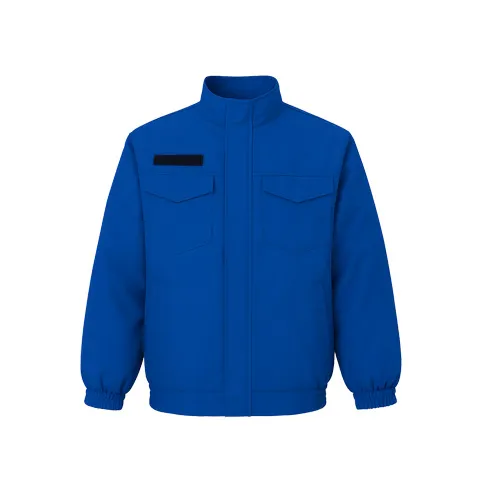
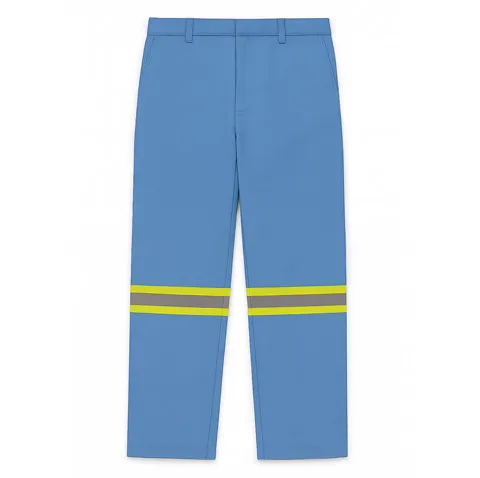
At DomexSafety.com, our arc flash shirts, arc flash pants, and arc rated coveralls are made from certified FR fabrics tested to EN ISO 11612, EN 1149-5, and NFPA 70E standards.
Each garment delivers proven protection, comfort, and durability — because real safety starts with the fabric itself.