English
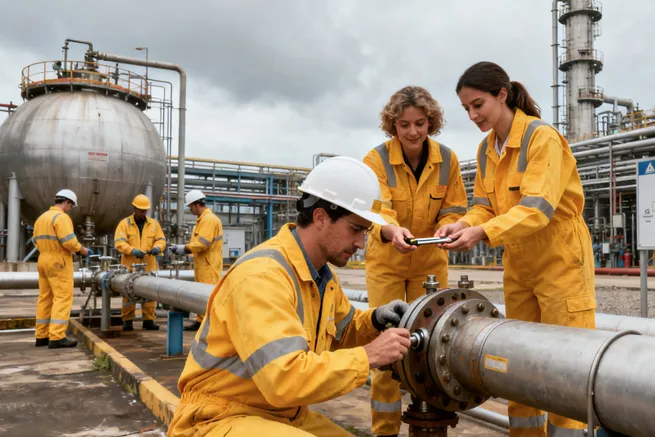
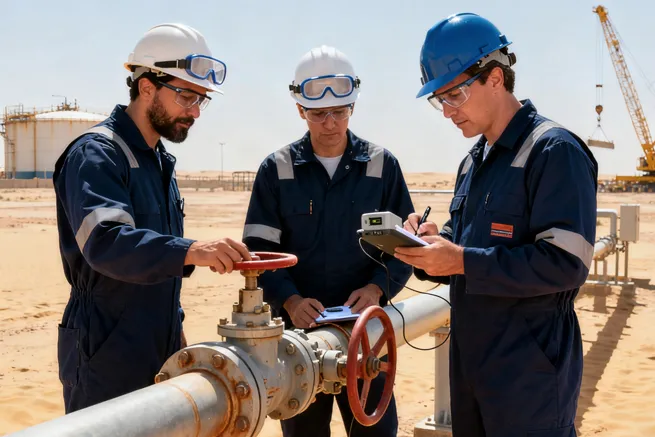
When it comes to arc flash protection, misinformation can be dangerous. Workers and managers often rely on outdated assumptions that put safety—and compliance—at risk. Let’s clear up some of the most common myths about arc flash clothing and reveal the facts behind real protection.
Fact: Not all FR clothing provides arc flash protection.
Flame-resistant garments protect against fire, but arc-rated (AR) garments are specifically tested for electrical arc exposure. Only products labeled with an Arc Thermal Performance Value (ATPV) or Energy Breakopen Threshold (EBT) are certified for arc flash protection.
Fact: Different environments require different protection levels.
Arc flash PPE is classified into Categories (CAT 1–4) under NFPA 70E, based on the incident energy level. A CAT 2 shirt may be perfect for maintenance work—but not suitable for high-voltage operations. Always match the ATPV value to your workplace risk assessment.
Fact: Modern FR fabrics are lightweight, breathable, and comfortable.
Technological advances in FR cotton and modacrylic blends mean workers can stay protected without overheating. Premium garments balance breathability and durability—improving comfort and compliance.
Fact: Protection can degrade over time.
Improper washing, use of bleach, or fabric softeners can damage FR finishes. Even certified arc flash garments should be replaced after 50+ industrial wash cycles or when worn, torn, or contaminated.
Fact: The quality of fabric and certification testing determines value—not just cost.
Premium garments maintain their arc rating and comfort longer, reducing long-term replacement expenses and ensuring consistent protection.
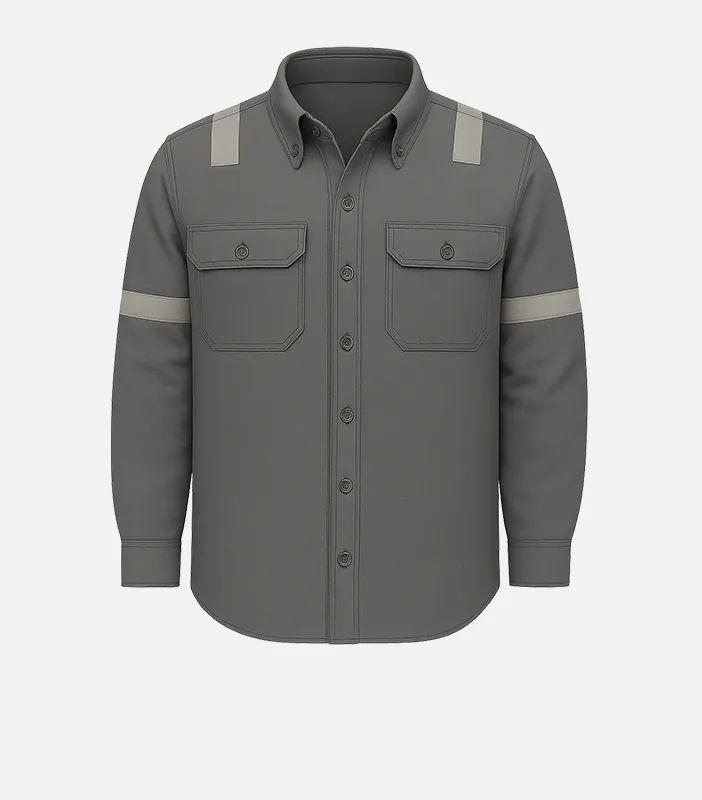
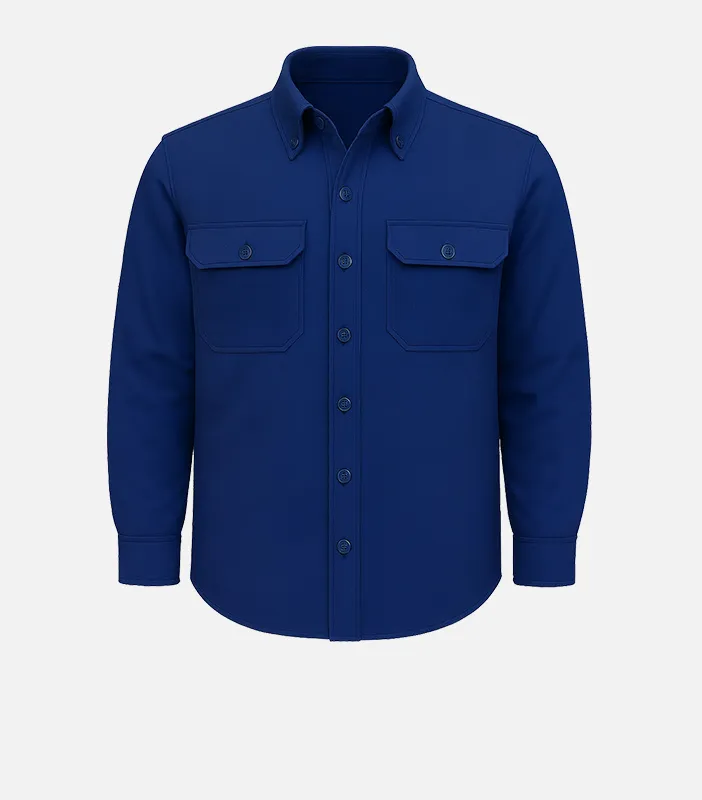
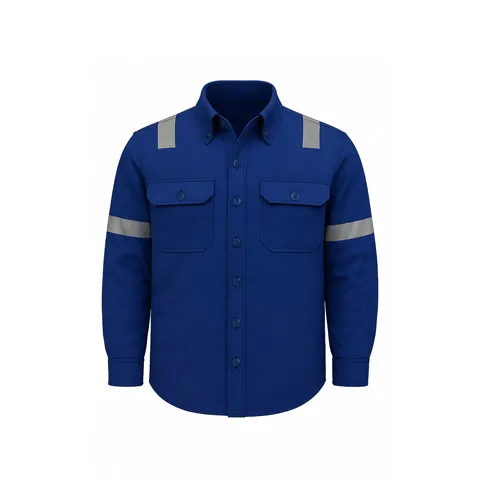
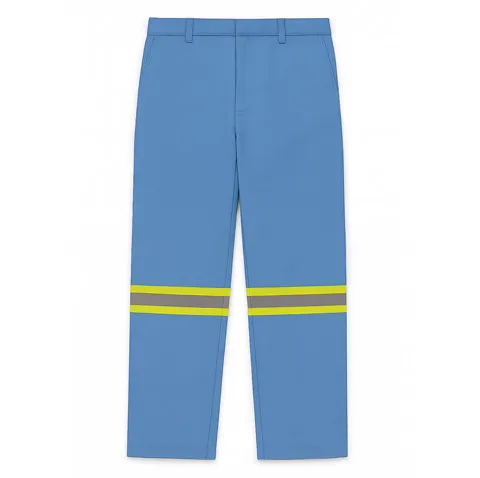
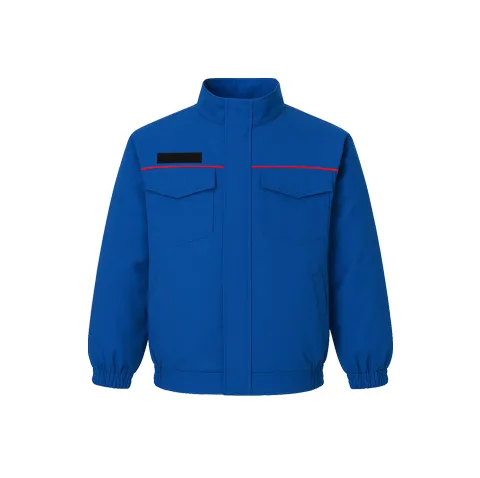
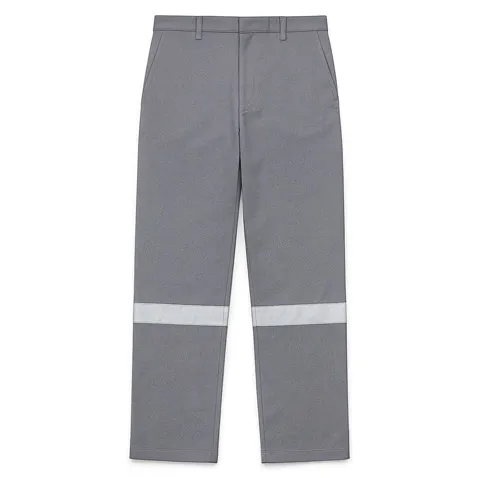
At DomexSafety.com, we manufacture arc flash and FR protective clothing tested to meet EN ISO 11612, EN 1149-5, and NFPA 70E standards.
Our mission is simple: deliver comfort, durability, and verified protection—so your team stays safe, informed, and compliant.