English
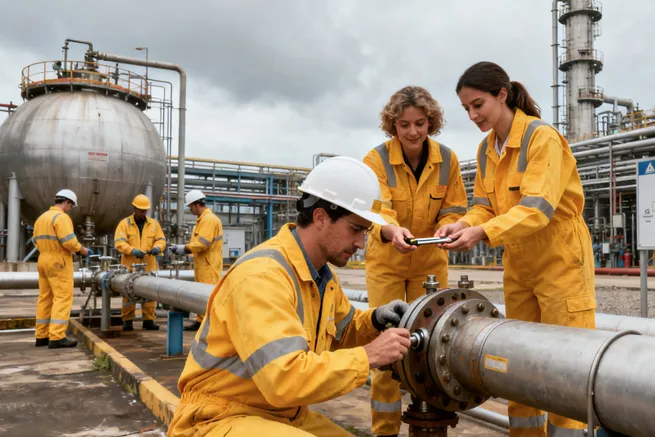
In many industrial environments, workers face serious hazards such as flash fires, arc flashes, and high-temperature exposure. Standard clothing can ignite quickly and continue burning, increasing the risk of severe injury. Flame-resistant (FR) workwear is specifically designed to reduce these risks and provide essential protection for workers in hazardous environments.
FR clothing is engineered to resist ignition and self-extinguish once the flame source is removed, helping minimize burn injuries and prevent flames from spreading across the garment.
Flame-resistant workwear refers to protective garments made from specialized fabrics that do not easily ignite and will stop burning when the heat source is removed.
Unlike regular fabrics that may melt or continue burning, FR fabrics are designed to:
Resist ignition when exposed to flames or sparks
Self-extinguish quickly after the flame source is removed
Reduce heat transfer to the wearer’s skin
Provide protection from flash fire and arc flash hazards
These protective properties help reduce the severity of burn injuries and provide a crucial safety barrier for workers in high-risk industries.
Industrial accidents involving fire or electrical arcs can occur in seconds but cause life-threatening injuries. FR workwear plays a vital role in protecting workers in environments where thermal hazards exist.
Key reasons FR clothing is essential include:
1. PROTECTION AGAINST FLASH FIRE AND HEAT
FR garments help reduce burn injuries by resisting ignition and limiting flame spread.
2. ARC FLASH SAFETY
Electrical arc flashes can generate intense heat and light. Proper protective clothing helps reduce the impact of thermal energy on the body.
3. INDUSTRY SAFETY COMPLIANCE
Many industries require certified protective clothing that meets international safety standards.
4. WORKER CONFIDENCE AND PRODUCTIVITY
When workers know they are protected, they can focus on their tasks safely and efficiently.
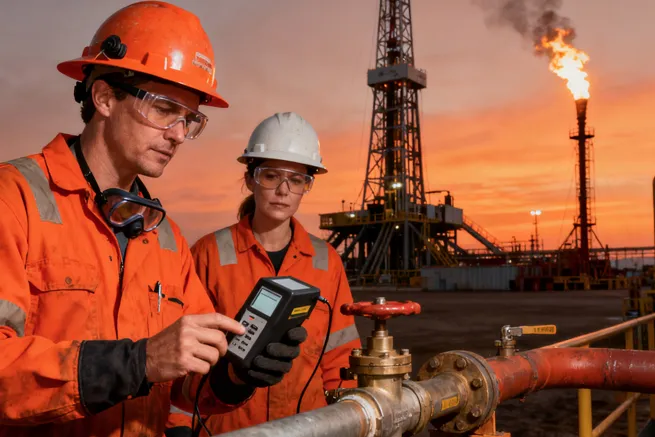
Flame-resistant workwear is widely used in industries where heat or fire hazards are present, including:
Oil & Gas
Petrochemical processing
Electrical utilities
Welding and metal fabrication
Mining and heavy industry
Power generation and maintenance
These sectors rely on FR clothing to protect workers from thermal hazards such as sparks, flash fires, and electric arcs.
High-quality FR workwear should comply with recognized international safety standards, such as:
NFPA 2112 – Protection against industrial flash fire hazards
NFPA 70E – Electrical safety and arc flash protection
ASTM F1506 – Arc-rated fabrics for electrical workers
EN ISO 11612 – Heat and flame protective clothing
These standards define testing methods and performance requirements to ensure garments provide reliable protection in hazardous conditions.
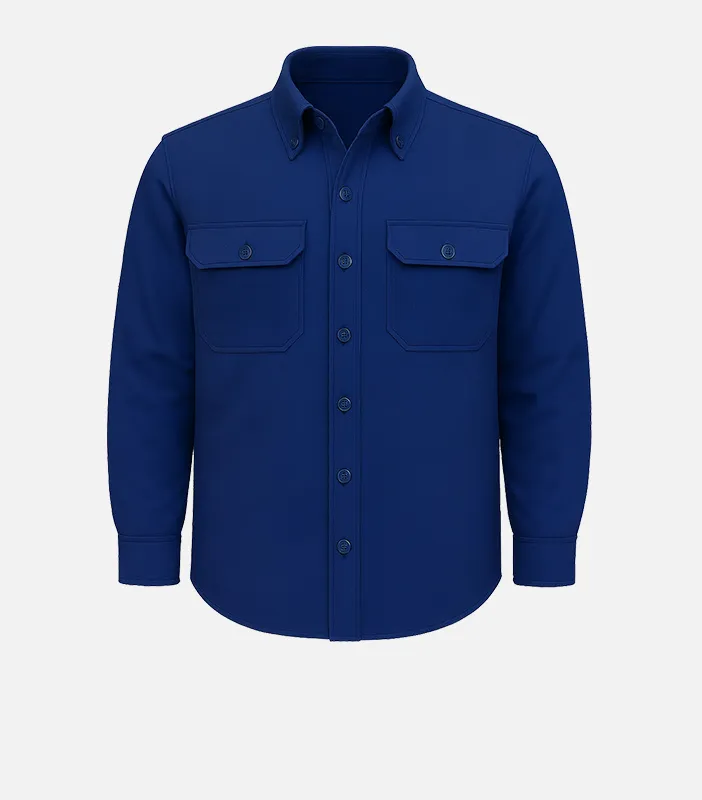
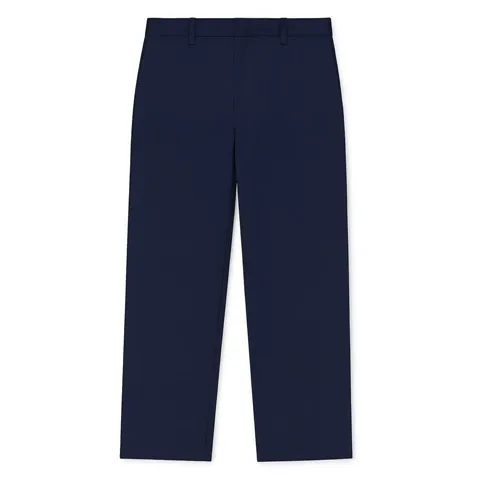
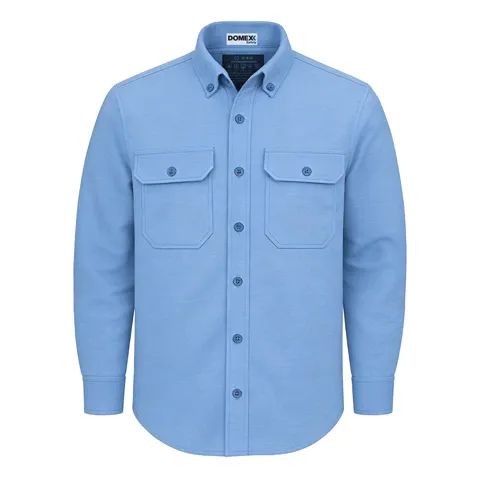
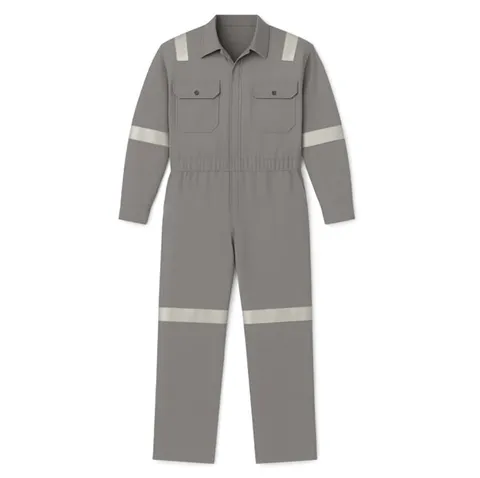
Modern industrial PPE includes a wide range of FR garments designed for different working environments:
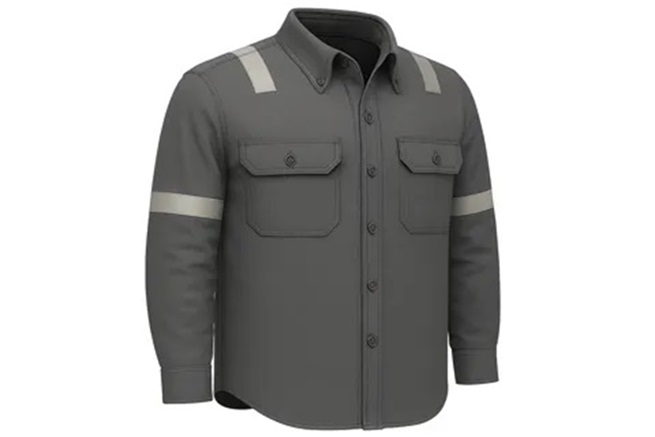
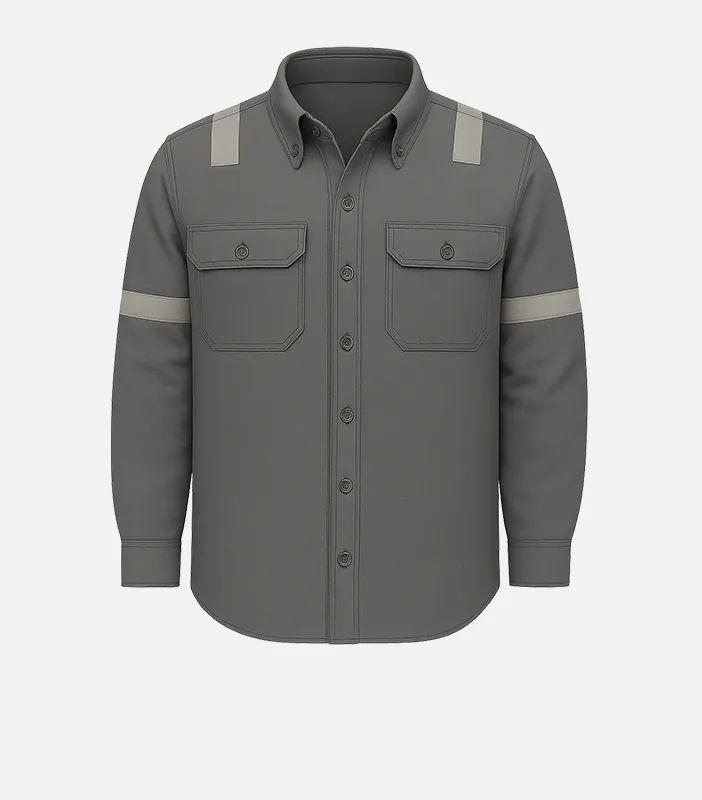
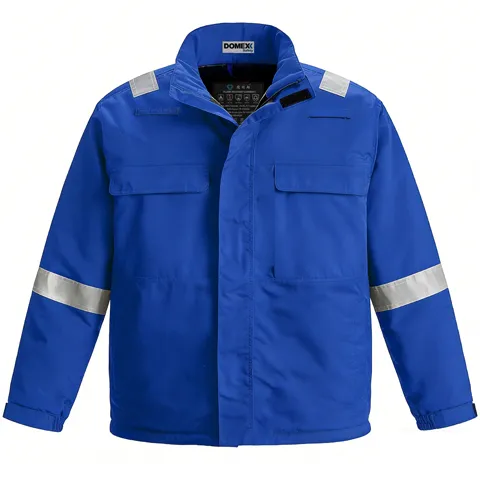
FR Jackets – Durable protection for outdoor or heavy-duty work
FR Pants – Flexible protection for daily industrial tasks
FR Coveralls – Full-body protection in high-risk environments
Arc-Rated Workwear – Additional protection for electrical hazards
Combining multiple protective features—such as anti-static, arc-rated, or high-visibility elements—can provide multi-hazard protection for demanding workplaces.
Flame-resistant workwear is more than just protective clothing—it is a critical component of workplace safety. By choosing certified FR garments that meet recognized international standards, companies can reduce injury risks, improve safety compliance, and protect their workforce in hazardous environments.
Reliable protection starts with the right workwear.