English
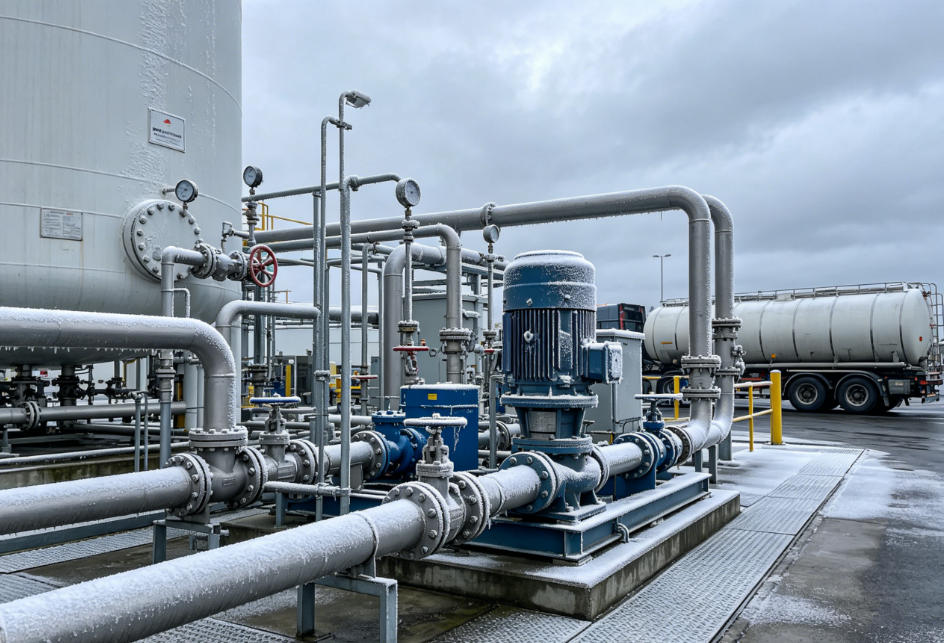
Global LNG (liquefied natural gas) prices have risen sharply over the past year, becoming a key driver of industrial production costs. For safety workwear manufacturers, energy is a critical input in fabric processing, dyeing, and finishing operations.
This shift is not limited to energy markets—it is now directly influencing the cost structure of PPE production and international trade pricing.
Early 2025: LNG demand increases due to industrial recovery and seasonal consumption
Mid 2025: Supply constraints begin to emerge in key exporting regions
Late 2025: LNG prices rise significantly across global markets
2026: Sustained high energy costs impact manufacturing sectors worldwide
Energy cost increases are transmitted through multiple layers of industrial production:
Higher electricity costs for textile mills
Increased steam and heat energy required for dyeing processes
Rising costs for chemical treatments used in FR fabrics
These factors make energy a major cost component in safety workwear production, particularly for flame-resistant and multi-hazard garments.
Safety workwear manufacturing is energy-intensive. Rising LNG prices are affecting:
Fabric finishing and curing processes
Color dyeing and washing cycles
Heat-setting for synthetic and blended fabrics
Manufacturers are facing increased operational costs, forcing adjustments in production planning and pricing structures.
For exporters, rising energy costs translate into higher FOB and EXW prices. This creates challenges in international trade:
Reduced margin flexibility
More frequent price revisions
Difficulty maintaining long-term fixed pricing agreements
Buyers in energy-related industries are particularly sensitive to these cost changes, as PPE is a recurring procurement category.
As of April 2026, LNG prices remain elevated compared to historical averages. Industrial manufacturers are adapting, but cost pressures persist.
Energy costs remain a key driver of textile pricing
Manufacturers are optimizing energy efficiency
Buyers are requesting more cost transparency
The market remains cautious, with both suppliers and buyers adjusting expectations.
For importers of safety workwear, managing energy-driven cost increases requires a proactive approach:
Work with manufacturers that have stable energy supply and efficient production systems
Evaluate suppliers in regions with lower energy cost exposure
Negotiate flexible pricing terms for large or long-term orders
Consider product alternatives with lower processing energy requirements
Plan procurement cycles to avoid peak energy pricing periods
Importers who prioritize cost transparency and supplier reliability can better manage volatility in energy-driven markets.
LNG price volatility is expected to continue due to geopolitical risks and fluctuating demand. In the medium term, energy costs will remain a critical factor in manufacturing competitiveness.
For the PPE industry, this means a continued shift toward efficiency, cost control, and strategic sourcing. Companies that adapt quickly will maintain stronger positions in global trade.
Sources
https://www.reuters.com/business/energy/
https://www.bloomberg.com/energy