English
The European Union’s Carbon Border Adjustment Mechanism (CBAM) is reshaping global trade by introducing carbon-based import costs. Although initially focused on high-emission sectors, its impact is gradually extending to textiles and PPE supply chains.
For safety workwear exporters and importers, CBAM represents a structural shift in how products are priced, sourced, and evaluated in the EU market.
2023: CBAM officially introduced by the European Union
2024–2025: Transition phase with mandatory emissions reporting
2026: Financial impact begins as carbon costs are gradually applied
Beyond 2026: Potential expansion to additional industries, including textiles
CBAM requires importers to report and eventually pay for the carbon emissions associated with imported goods. The goal is to create a level playing field between EU producers and international suppliers.
Carbon emissions must be calculated and reported
Importers may need to purchase carbon certificates
Compliance documentation becomes mandatory
This mechanism increases transparency but also adds complexity to international trade.
While textiles are not yet fully covered, the industry is already feeling indirect effects:
Higher costs for energy-intensive production processes
Increased scrutiny of supply chain emissions
Pressure to adopt low-carbon manufacturing methods
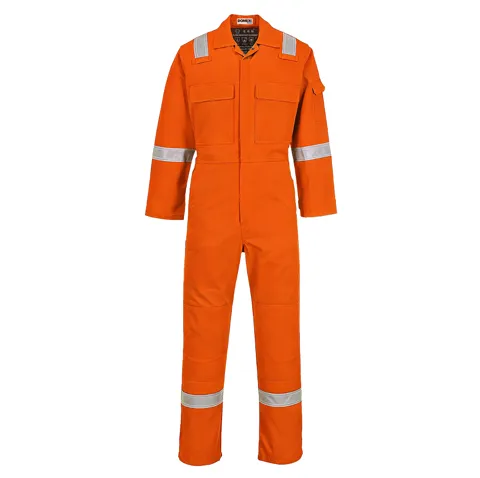
For PPE products such as FR clothing, which require chemical processing and heat treatment, carbon intensity can be relatively high compared to basic garments.
CBAM introduces both direct and indirect cost pressures:
Additional administrative and reporting costs
Potential carbon pricing on imported goods
Need for certified emission data from suppliers
Exporters who cannot provide transparent carbon data may face barriers to entry in the EU market.
As of 2026, CBAM is in the transition phase, but its influence is already visible:
European buyers are requesting carbon-related information
Suppliers are beginning to track emissions data
Compliance awareness is increasing across the textile industry
Although full financial impact is still developing, early adopters are gaining a competitive advantage.
For importers sourcing safety workwear for the EU market, adapting early to CBAM requirements is critical:
Work with suppliers that can provide transparent carbon and production data
Prioritize manufacturers with energy-efficient production systems
Diversify sourcing to include lower-carbon production regions
Request documentation aligned with EU compliance expectations
Plan long-term procurement strategies to manage future carbon costs
Importers who proactively address CBAM requirements will reduce risk and maintain stable market access.
CBAM is expected to expand and become more stringent over time. As environmental regulations tighten, sustainability will become a key factor in supplier selection.
For the PPE industry, this means a transition toward:
Low-carbon manufacturing processes
Greater transparency in supply chains
Integration of sustainability into product value
Companies that align with these trends early will be better positioned in the European market.
Sources
https://taxation-customs.ec.europa.eu/carbon-border-adjustment-mechanism_en