English
Electrical work environments involve serious risks, especially from arc flash incidents. These events can release extreme heat and energy within milliseconds, causing severe injuries.
To reduce these risks, workers must wear arc-rated PPE (Personal Protective Equipment) that matches the hazard level. Choosing the correct protection level is essential—not only for safety compliance but also for practical performance on the job.
Arc flash PPE categories are classification levels defined by safety standards to indicate the minimum level of arc-rated protection required.
They are commonly referenced under NFPA 70E, and each category corresponds to a specific minimum arc rating (cal/cm²).
In simple terms:
Higher category = higher protection level
ARC FLASH PPE CATEGORY LEVELS EXPLAINED
Each category defines the required arc rating for protective clothing.
CATEGORY 1
Minimum arc rating: 4 cal/cm²
Typical use: Light electrical maintenance
Clothing: Arc-rated shirt and pants
CATEGORY 2
Minimum arc rating: 8 cal/cm
Typical use: General electrical work
Clothing: Arc-rated garments or coveralls
CATEGORY 3
Minimum arc rating: 25 cal/cm²
Typical use: High-risk electrical tasks
Clothing: Multi-layer arc flash clothing systems
CATEGORY 4
Minimum arc rating: 40 cal/cm²
Typical use: Extreme hazard environments
Clothing: Full arc flash suit with multiple layers
ATPV (Arc Thermal Performance Value) measures how much thermal energy a garment can withstand before causing second-degree burns.
Measured in cal/cm²
Higher ATPV = higher protection
Used to match PPE to hazard levels
Selecting the correct arc rating is critical to ensure worker safety.
Depending on the PPE category, different garment combinations are required:
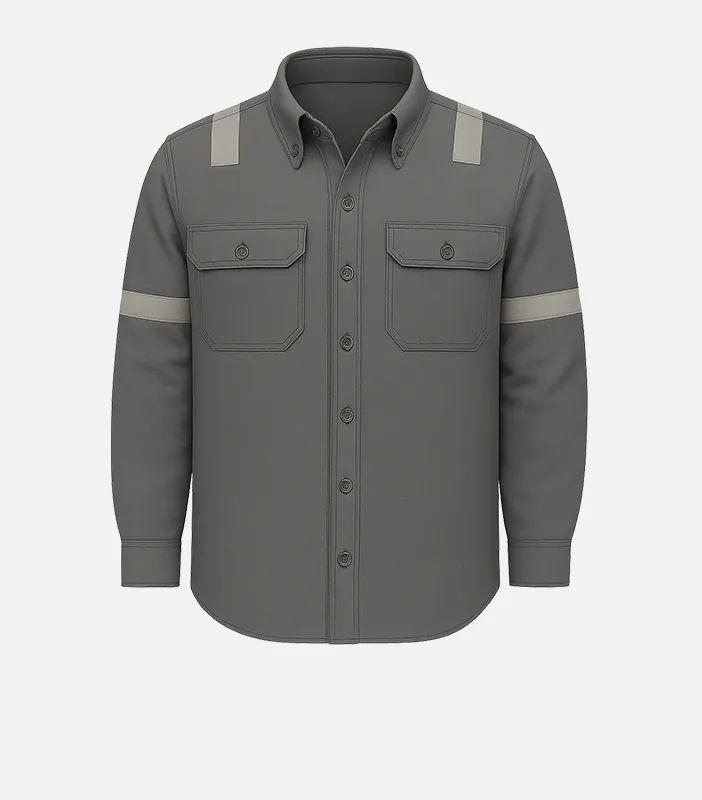
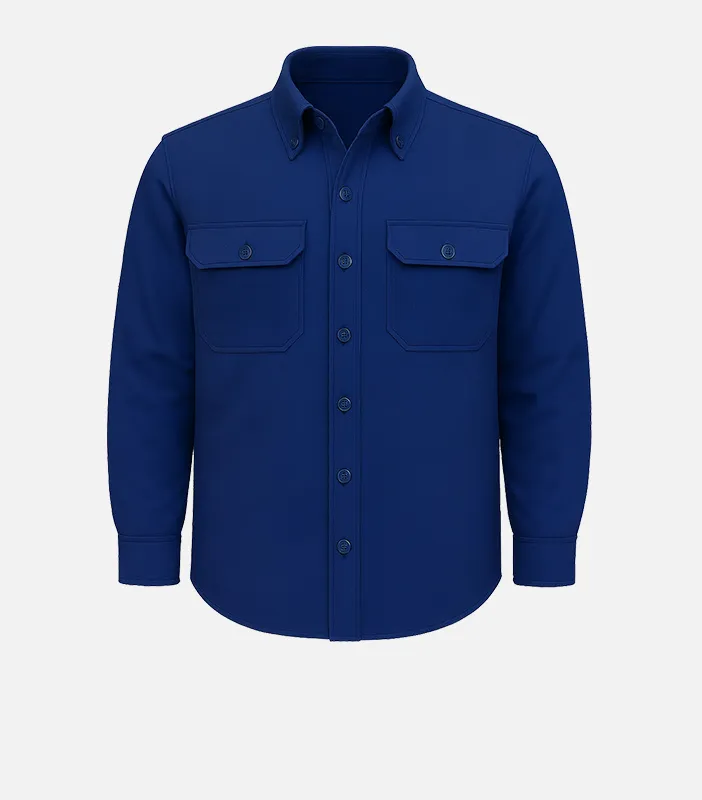
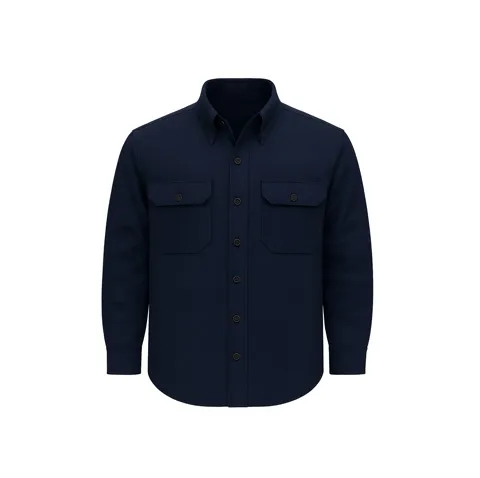
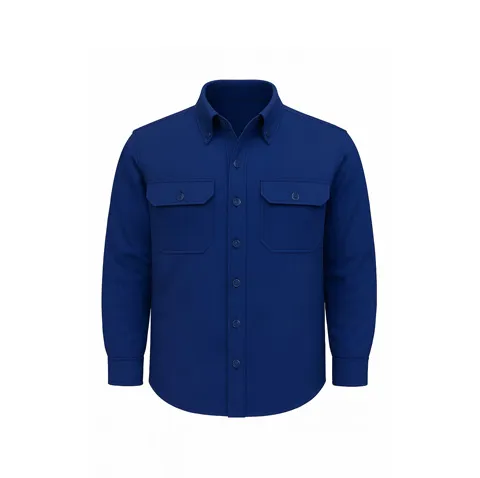
Arc-rated shirts and pants – for lower-risk environments
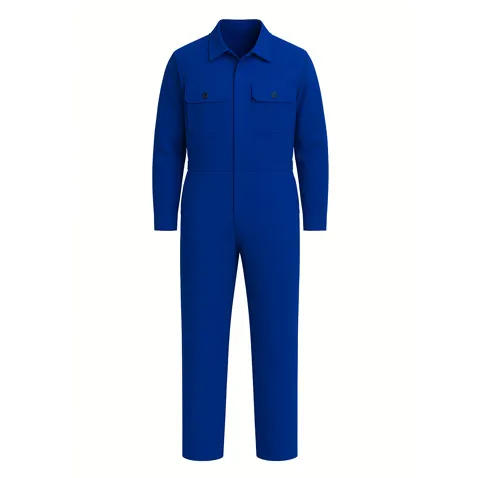
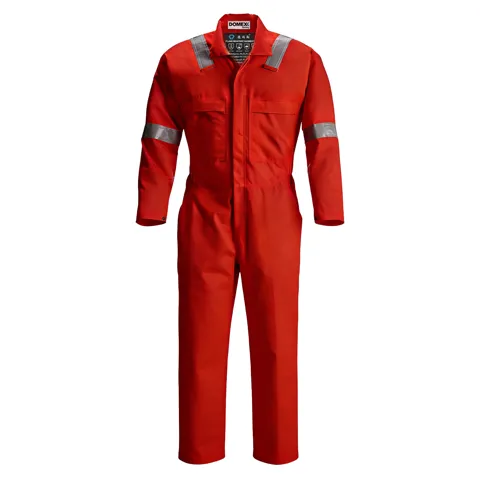
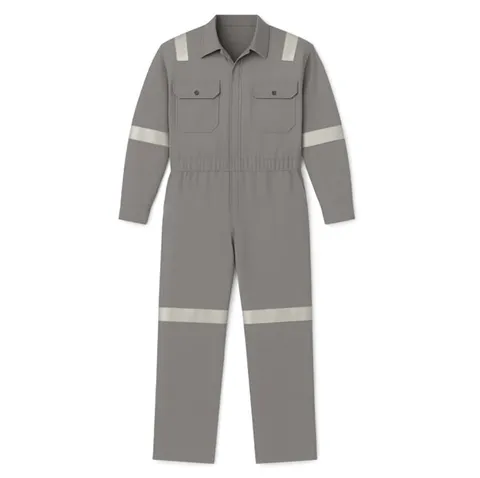
Arc flash coveralls – for full-body protection
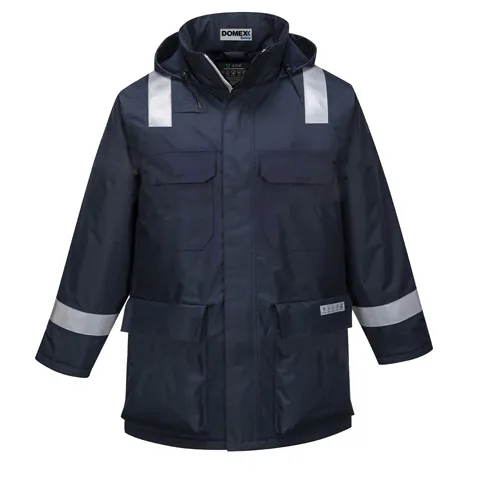
Arc-rated jackets – for layered systems
Arc flash suits – for high-risk electrical work
Many garments combine flame resistance, anti-static properties, and arc protection for multi-hazard use.
Selecting the correct PPE category should always be based on a hazard risk assessment.
Key factors include:
Incident energy level (cal/cm²)
Type of electrical equipment
Working distance from arc source
Task being performed
Choosing PPE with insufficient protection can lead to serious injuries, while excessive protection may reduce comfort and efficiency.
Arc-rated PPE is commonly used in:
Electrical utilities and substations
Oil & gas facilitiesIndustrial maintenance operations
Manufacturing plants
Any environment involving energized electrical systems requires appropriate arc flash protection.
To maintain performance:
Wash with mild detergents
Avoid bleach and softeners
Inspect regularly
Replace damaged garments
Proper care ensures long-term safety and compliance.
Understanding arc flash PPE categories is essential for selecting the right level of protection. By matching arc-rated clothing to hazard levels, companies can significantly reduce injury risks while maintaining compliance with safety standards.
The right PPE is not just about protection—it’s about making sure workers can perform safely and efficiently in high-risk environments.