English
Electrical hazards remain one of the most serious risks in industrial environments. Among them, arc flash incidents are especially dangerous due to their extreme heat and sudden energy release.
To address this risk, the IEC 61482 standard was developed to evaluate and classify protective clothing designed for arc flash exposure. Understanding this standard helps companies choose the right arc-rated workwear and improve safety in electrical operations.
IEC 61482 is an international standard that defines the performance requirements for clothing used to protect against the thermal hazards of an arc flash.
It ensures that protective garments:
Limit heat transfer during arc exposure
Do not ignite or continue burning
Maintain structural integrity under high energy conditions
Provide measurable arc protection levels
This standard is widely used in Europe, Asia, and global industrial projects.
IEC 61482 includes two primary testing methods, each designed to simulate different arc flash conditions.
IEC 61482-1-1 (OPEN ARC TEST)
This method measures the fabric’s resistance to arc exposure using values such as:
ATPV (Arc Thermal Performance Value)
EBT (Energy Breakopen Threshold)
These values indicate how much thermal energy the fabric can withstand before causing injury.
Typically used for detailed risk assessment and high-precision protection selection
IEC 61482-1-2 (BOX TEST)
This test classifies garments into protection levels based on standardized conditions.
Class 1: Lower energy exposure
Class 2: Higher energy exposure
Commonly used for simplified PPE selection in industrial environments
Both test methods serve different purposes:
Open Arc (ATPV / EBT)
Provides detailed energy values
Suitable for precise hazard calculations
Box Test (Class 1 / Class 2)
Easier to apply in field conditions
Often used in European PPE systems
In many cases, garments may include both ratings to provide flexibility across different safety systems.
Garments designed to meet IEC 61482 are available in multiple forms depending on the work environment:
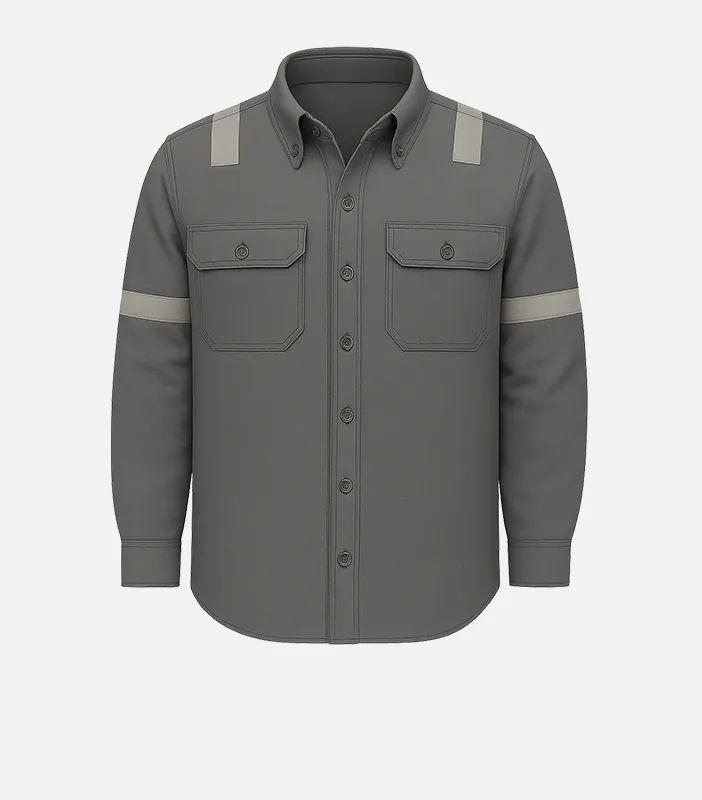
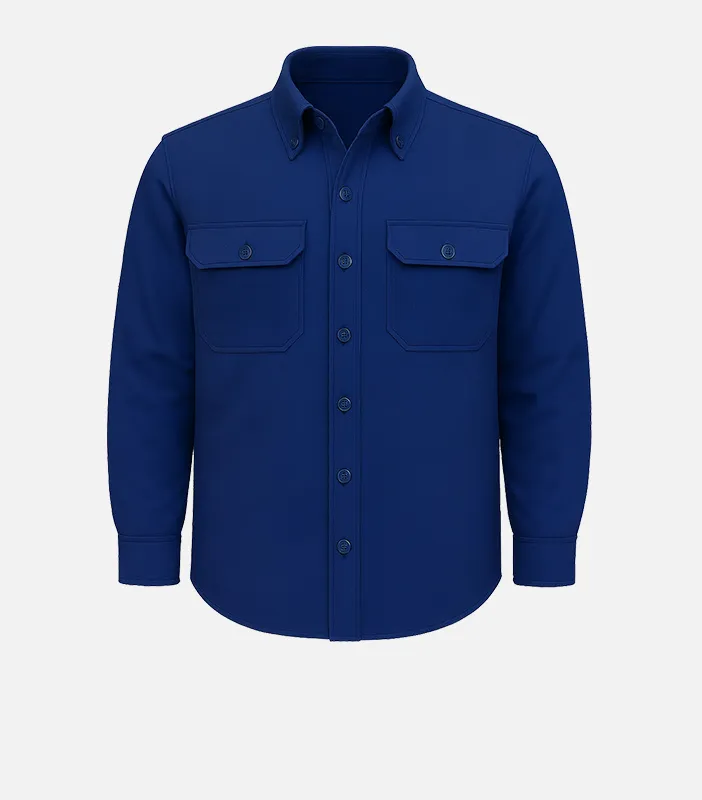
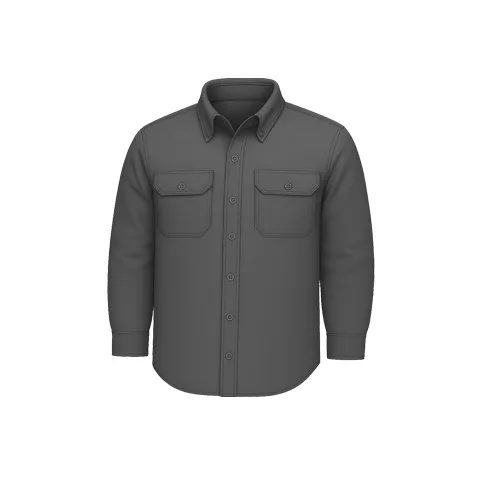
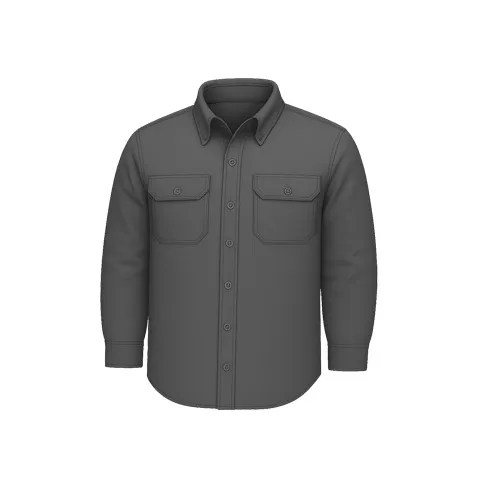
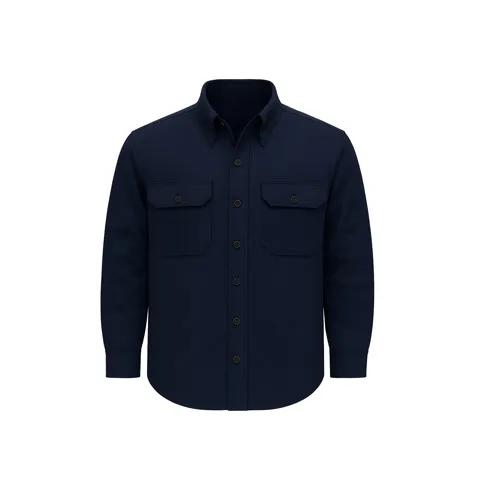
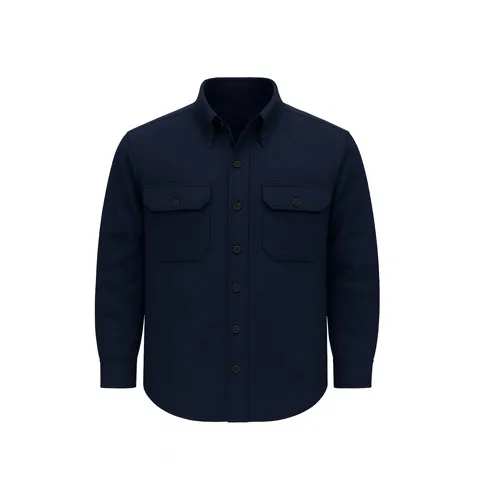
Arc-rated shirts for routine electrical tasks
Arc-rated pants for lower body protection
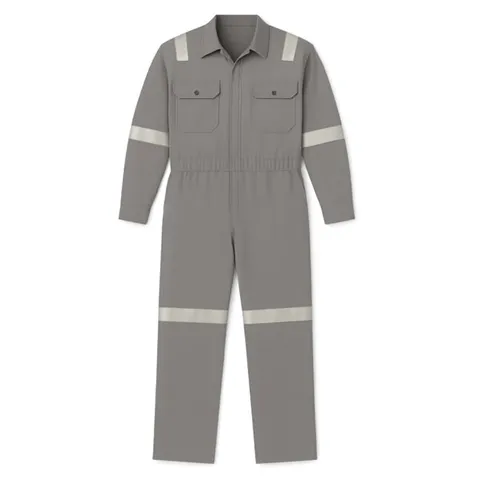
Arc flash coveralls for full-body protection
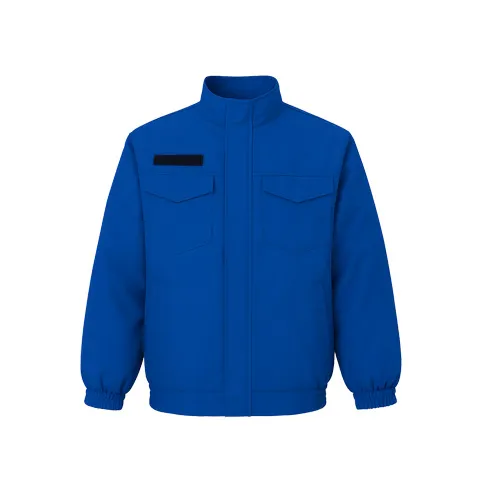
Arc-rated jackets for layered protection
Modern protective clothing often combines:
Flame resistance
Arc flash protection
Anti-static properties
This ensures suitability for multi-hazard industrial environments.
Arc-rated clothing compliant with IEC 61482 is commonly used in:
Electrical utilities and grid maintenance
Industrial manufacturing facilities
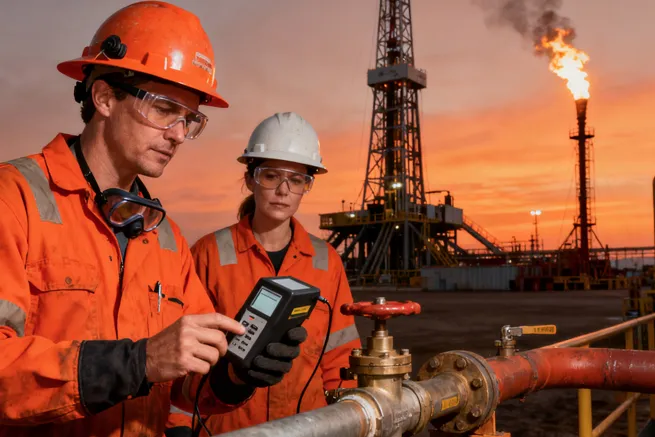
Oil & gas operations with electrical systems
Renewable energy and power distribution sectors
Any environment involving energized equipment requires appropriate arc flash protection.
To maintain protective performance over time:
Wash garments using mild detergents
Avoid bleach and fabric softeners
Inspect regularly for damage or wear
Replace garments when protection may be compromised
Proper care ensures consistent performance and longer service life.
The IEC 61482 standard plays a key role in defining how protective clothing performs under arc flash conditions. By selecting garments that meet this standard, companies can better protect workers and align with international safety requirements.
Choosing the right arc-rated workwear is essential for reducing risk and maintaining safe operations in electrical environments.