English
Electrical arc flash hazards can release extreme heat in milliseconds, posing serious risks to workers. To reduce injury, protective garments must meet strict safety standards.
ASTM F1506 is one of the most important standards for arc-rated clothing, ensuring that fabrics and garments provide reliable protection in electrical environments.
ASTM F1506 is a standard that defines the performance requirements for arc-rated flame-resistant clothing used by electrical workers.
It ensures that garments:
Resist ignition and do not continue burning
Provide measurable arc flash protection (ATPV rating)
Maintain performance after washing and wear
Are properly labeled for safety compliance
This standard is widely used alongside NFPA 70E for electrical safety programs.
Arc flash incidents can generate temperatures exceeding thousands of degrees in a fraction of a second. Without proper protection, workers face severe burn injuries.
Arc-rated clothing helps by:
Reducing heat transfer to the skin
Preventing fabric melting or dripping
Limiting burn injury severity
Providing a critical protective barrier during arc events
For this reason, ASTM F1506 compliant garments are a key part of industrial PPE systems.
ATPV (Arc Thermal Performance Value) measures how much thermal energy a fabric can withstand before causing second-degree burns.
QUICK EXPLANATION:
Higher ATPV = higher protection level
Measured in cal/cm²
Used to match clothing to hazard levels
Selecting the correct ATPV rating ensures that protective clothing aligns with workplace risk assessments.
Arc-rated garments are available in multiple formats depending on job requirements:
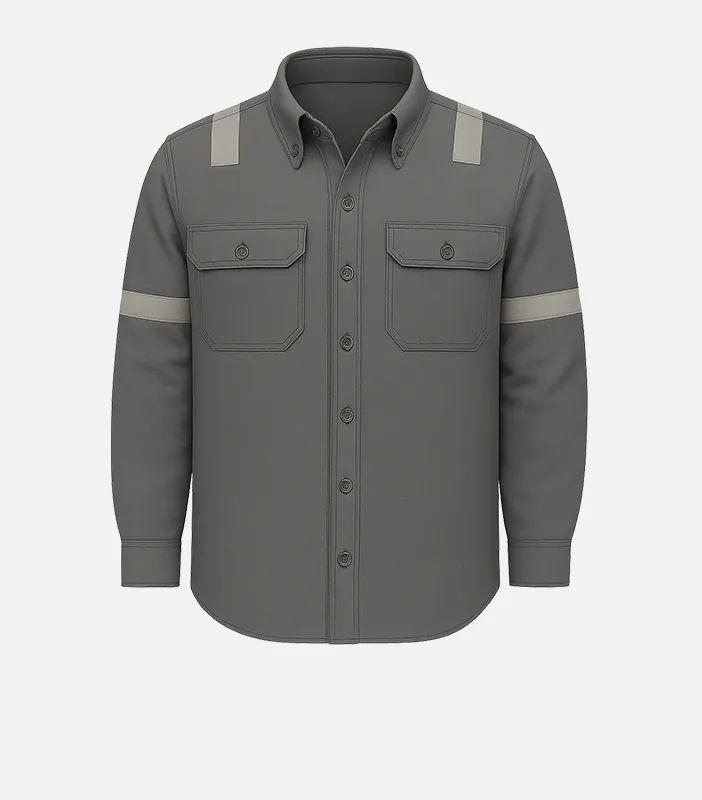
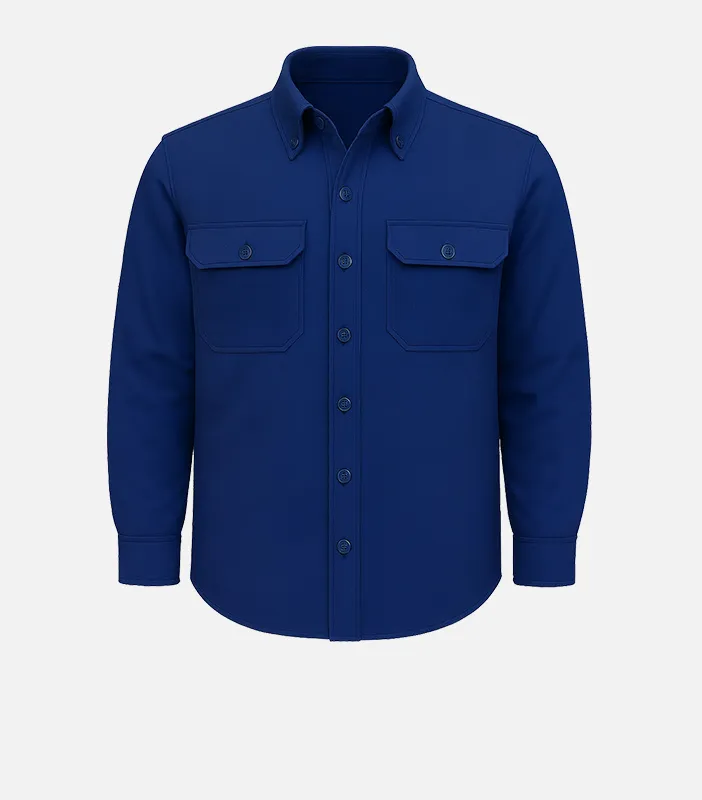
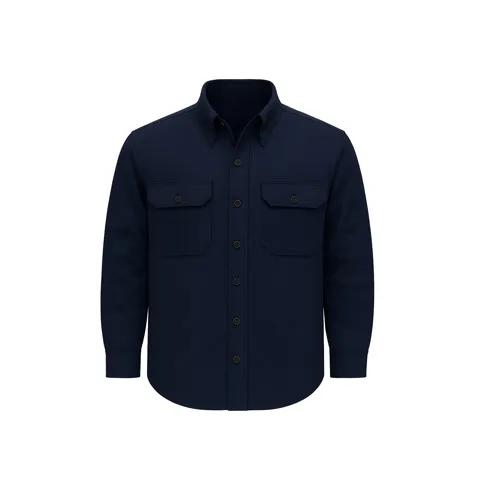
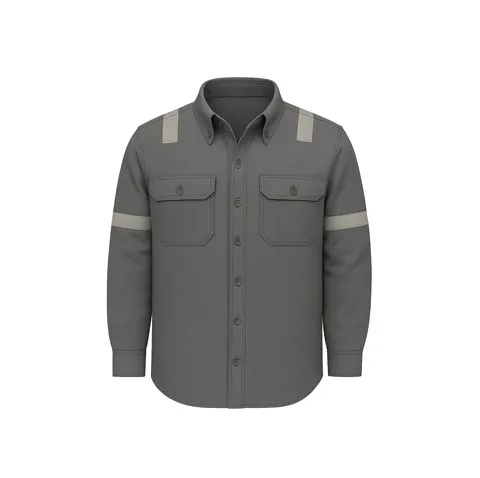
Arc-rated shirts – lightweight daily protection
Arc-rated pants – essential lower-body protection
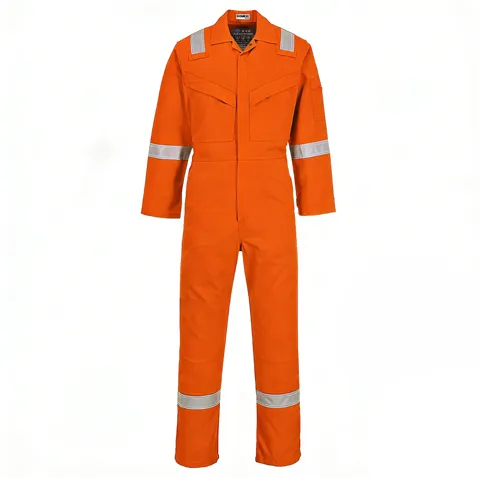
Arc flash coveralls – full-body protection in high-risk tasks
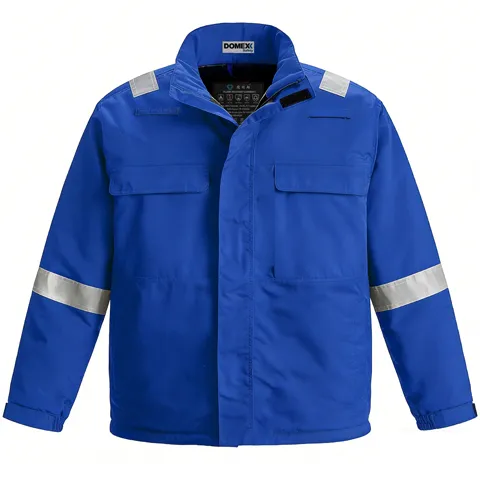
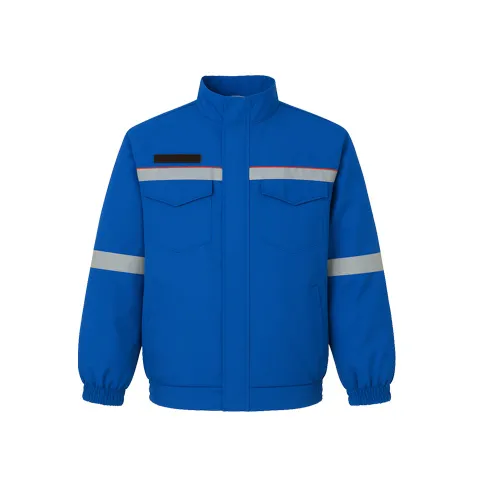
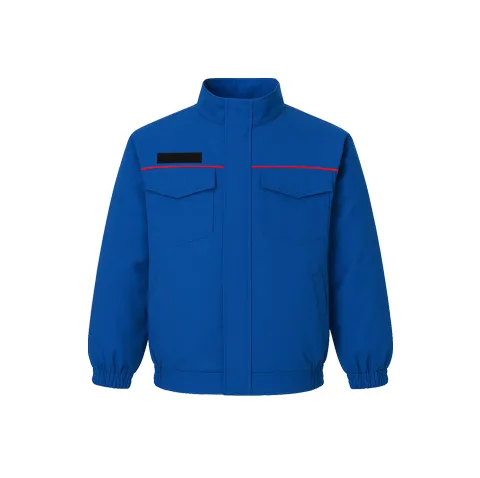
Arc-rated jackets – added protection for layered systems
Many modern garments combine:
Flame resistance
Anti-static performance
Arc flash protection
This creates multi-hazard workwear suitable for complex industrial environments.
These two standards are often used together but serve different purposes.
ASTM F1506
Defines fabric and garment performance
Focuses on testing and arc rating
NFPA 70E
Defines workplace safety practices
Specifies PPE requirements based on hazard levels
In simple terms:
ASTM F1506 = product standard
NFPA 70E = safety regulation
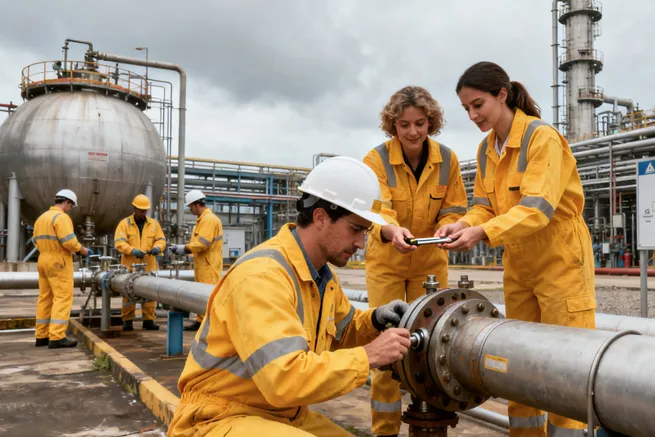
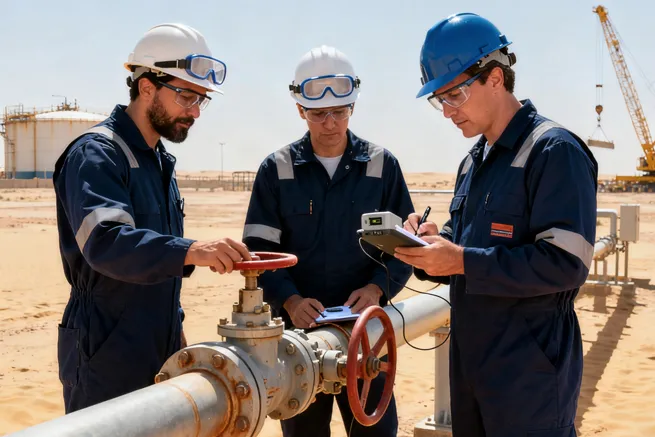
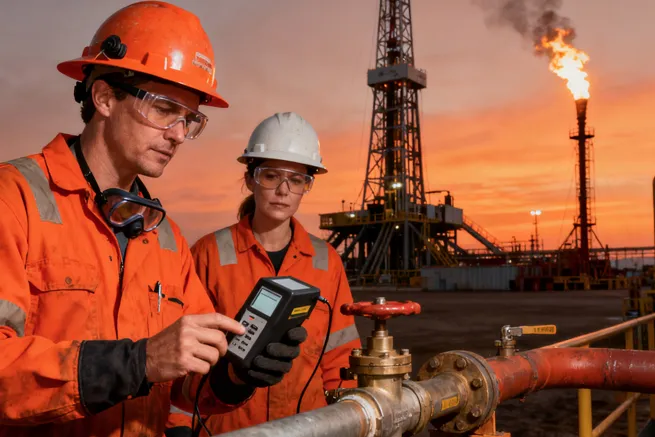
Arc-rated clothing is essential in industries where electrical hazards exist:
Electrical utilities and power distribution
Oil & gas facilities with electrical systems
Industrial maintenance and repair
Manufacturing plants with energized equipment
In these environments, arc flash PPE is critical for worker safety.
Proper care helps maintain protective performance over time:
Wash with mild detergents only
Avoid bleach and fabric softeners
Inspect garments regularly
Replace damaged or worn items
Consistent maintenance ensures long-term protection and compliance.
ASTM F1506 sets a clear benchmark for arc-rated protective clothing used in electrical environments. By selecting garments that meet this standard, companies can reduce injury risks and improve workplace safety.
High-quality arc-rated workwear is not just a requirement—it is a critical investment in worker protection.