English
When working around electrical systems with potential arc flash hazards, selecting the right arc-rated protective workwear is essential for worker safety and compliance. Arc flash shirts and coveralls both provide flame-resistant, arc-rated protection — but each has distinct benefits depending on the environment and level of risk.
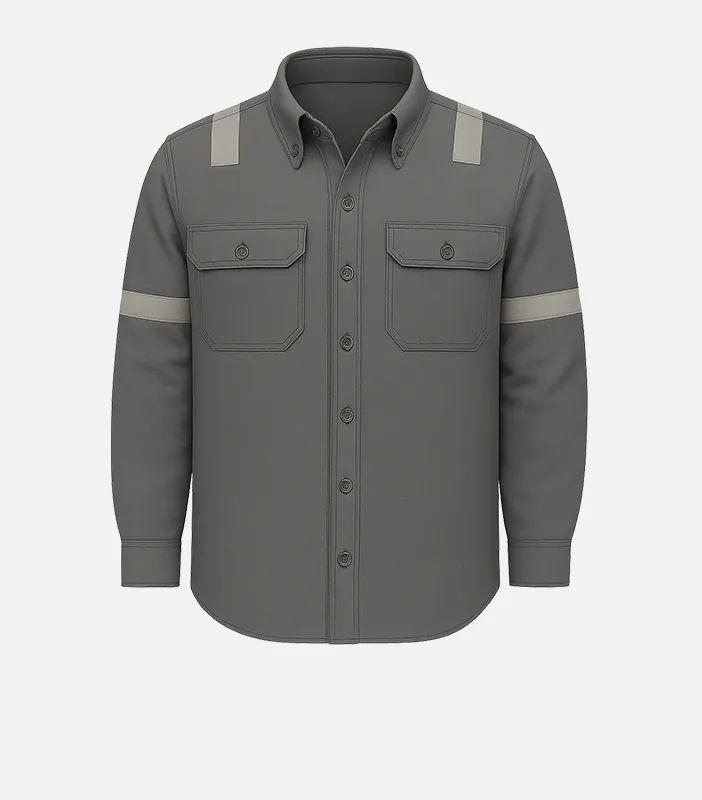
Arc flash shirts are arc-rated protective tops designed for everyday electrical work. They are typically paired with matching arc-rated pants to create a complete protective outfit. Arc flash shirts are ideal for low to moderate risk tasks, such as maintenance, panel work, or field service, where comfort and mobility are important.
Key advantages:
Excellent comfort and flexibility for dynamic tasks.
Easy to layer under jackets or additional PPE.
Great option when protection level and workplace activity allow shirt + pants combinations.
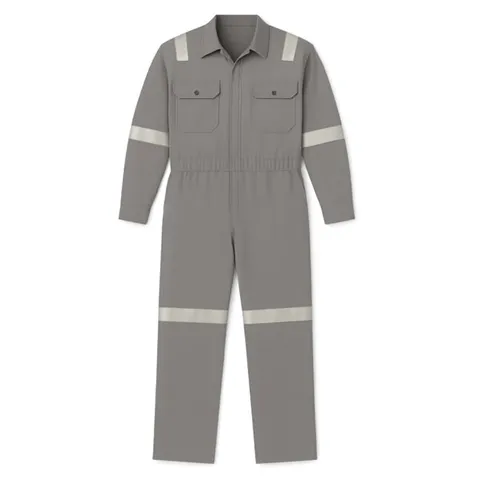
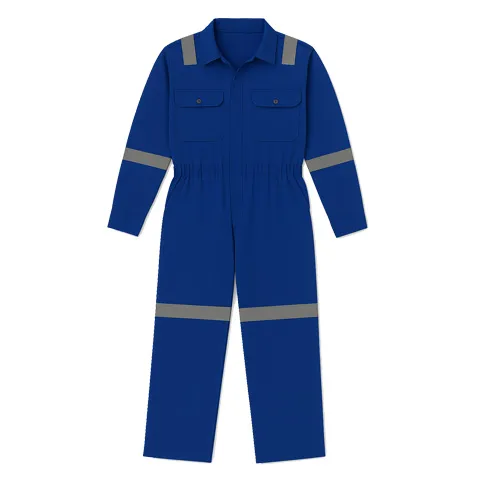
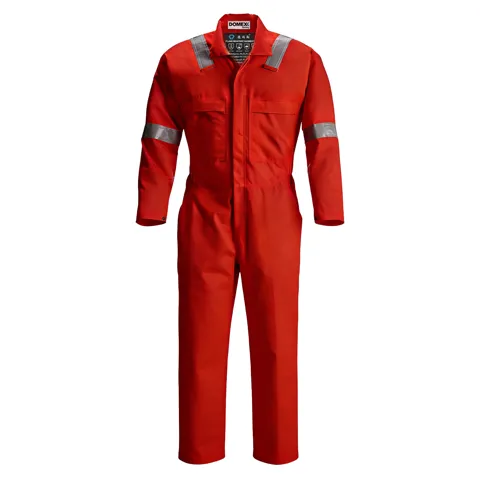
Arc flash coveralls are one-piece protective garments that provide continuous protection from neck to ankle. They are designed to eliminate gaps between upper and lower body gear — a key advantage in higher risk environments or when workers are exposed to potential arc hazards across the entire body.
Key advantages:
Full-body protection in a single garment.
Simplifies PPE selection and reduces the risk of uncovered areas.
Often tested and certified to arc flash standards (like ASTM F1506, NFPA 70E, EN 61482).
Selecting between arc flash shirts and coveralls depends on your work environment and hazard level:
✅ Low to Moderate Risk Tasks — Shirts paired with arc-rated pants can offer comfortable and flexible protection, especially for maintenance or daily work.
✅ High Risk or Full-Body Exposure — Coveralls are recommended where workers face continuous electrical hazard exposure, confined spaces, or environments with high arc flash potential. They provide more complete protection and reduce the chance of gaps in coverage.
Both arc flash shirts and coveralls deliver arc-rated, flame-resistant protection — but choosing the right type depends on the nature of the electrical work and the level of risk. By understanding these differences, safety managers and procurement teams can make smarter decisions that improve safety outcomes and ensure compliance with industry standards.