English
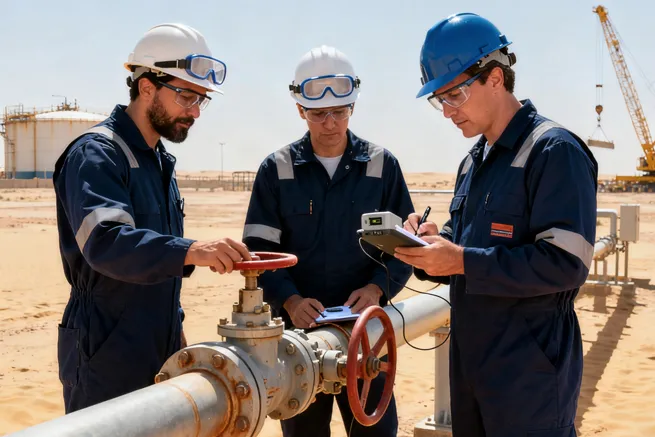
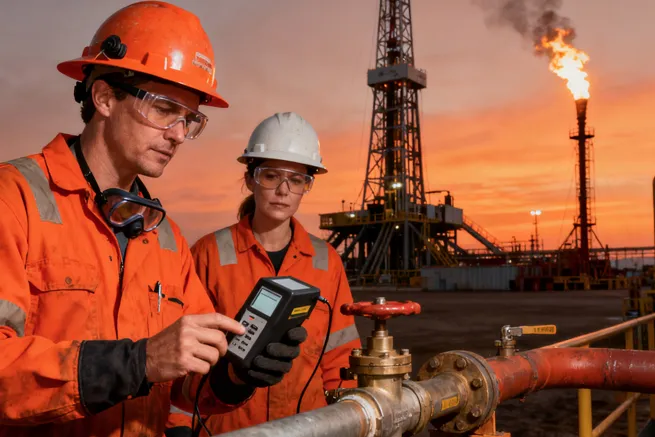
In many industrial environments — especially oil & gas, petrochemical plants, and explosive atmospheres — static electricity poses a serious hazard. Even a small electrostatic discharge can produce a spark, which may ignite flammable gases, vapors, or dust and trigger explosions. That’s where anti-static workwear certified to the EN 1149-5 standard comes into play, offering crucial protection for workers in these high-risk areas.
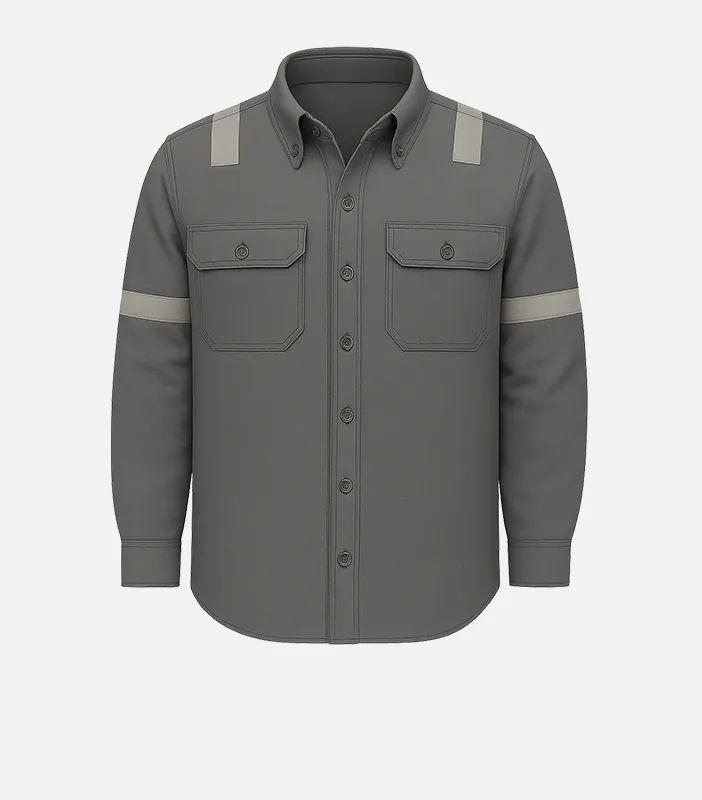
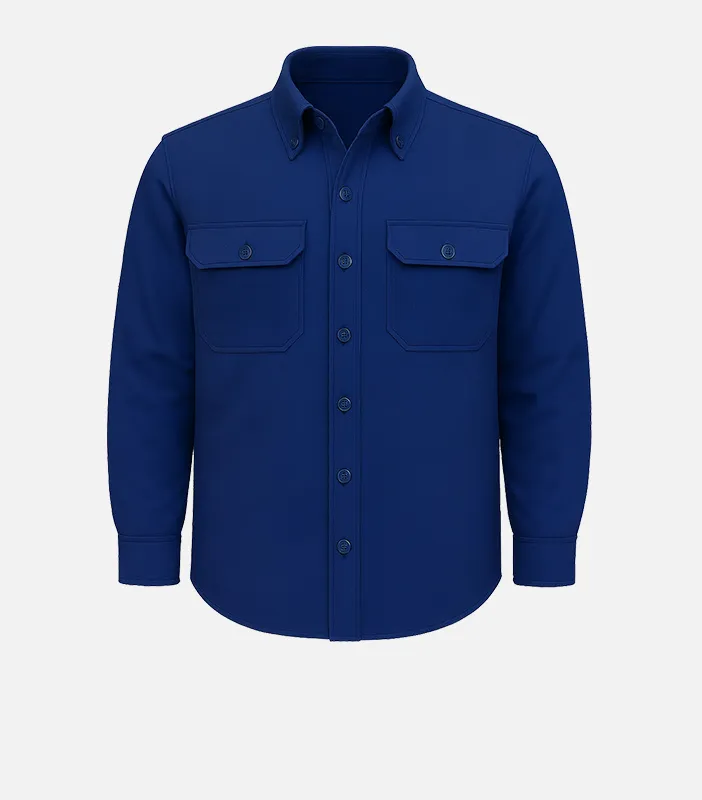
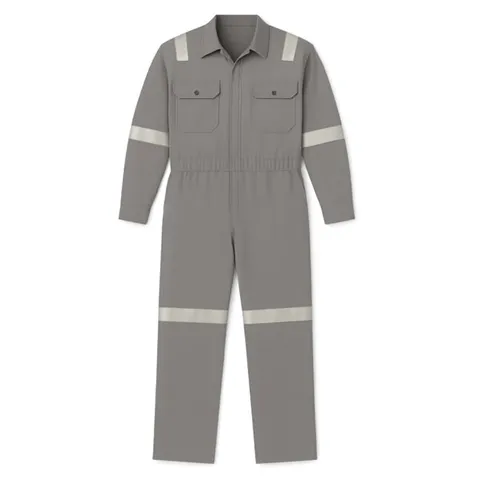
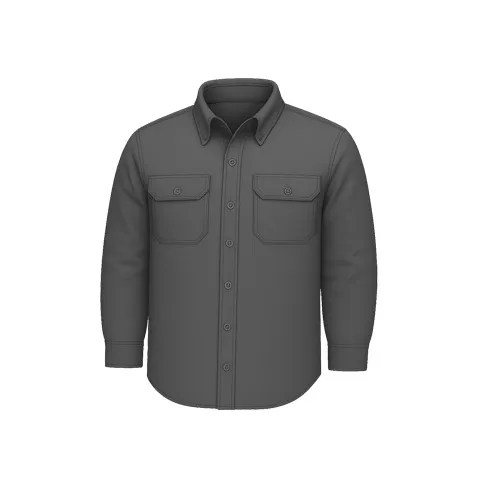
EN 1149-5 is a European safety standard that defines the material performance and design requirements for clothing that dissipates electrostatic charges to reduce the risk of dangerous sparks. Certified workwear helps static electricity safely disperse into the ground when worn as part of a properly grounded system, lowering the likelihood of ignition in explosive atmospheres.
In environments where flammable gases, vapors, or fine combustible dust are present, static charge can build up on a worker’s clothing simply through movement. Without proper dissipation, this static can discharge as a spark — enough to ignite nearby hazardous atmospheres. Anti-static workwear prevents charge buildup and reduces ignition risk when combined with grounding systems such as conductive footwear and proper floor grounding.
EN 1149-5 focuses on fabric performance and garment design so that electrostatic charges are dissipated efficiently.
Key aspects include:
Conductive or dissipative materials that help static electricity flow away from the wearer.
Design elements that ensure all non-conductive parts (like zippers or labels) are covered or do not impede dissipation.
Integration into a grounded PPE system to maximize protection.
EN 1149-5 workwear is essential in industries where static discharges and explosive atmospheres intersect.
Typical applications include:
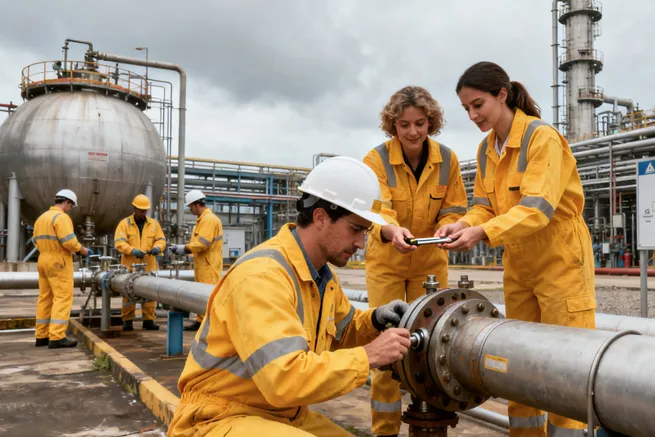
Oil & Gas Extraction and Refining — handling flammable liquids and gases
Chemical Processing — exposure to combustible vapors
Fuel Transport and Storage — static control during loading/unloading
Dust-Prone Facilities — fine organic dust that can create explosive environments
Wearing anti-static garments in these areas helps protect workers and supports compliance with safety programs.
EN 1149-5 certified anti-static workwear goes beyond basic clothing — it forms part of a safety strategy that helps reduce the risk of static-spark ignition in hazardous areas. For companies operating in explosive atmospheres, choosing the right anti-static protective garments is a critical step toward stronger workplace safety, better compliance, and peace of mind on the job.