English
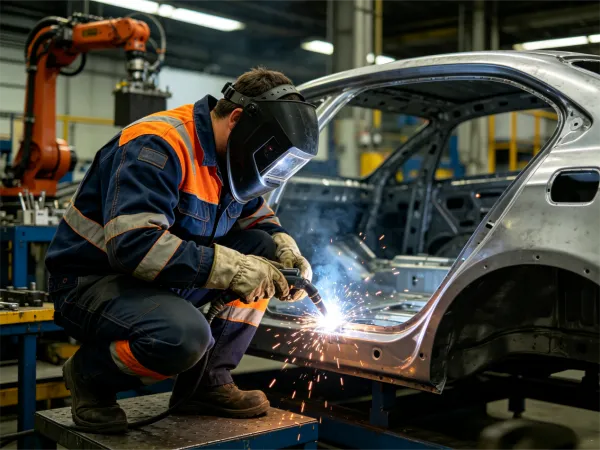
Automotive manufacturing involves complex production processes, including welding, painting, assembly, equipment maintenance, and quality inspection.
Unlike ordinary uniforms, automotive workwear needs to provide durability, comfort, and protection against specific workplace risks such as sparks, oil stains, static electricity, and mechanical wear.
Choosing the right industrial uniform helps improve worker safety while supporting productivity on the production line.
Automotive factories usually include different working areas with different requirements.
Welding Areas
Welding operations generate sparks, heat, and molten particles.
Workers may require:
Flame resistant clothing
Heat-resistant materials
Durable construction
Painting and Chemical Areas
Paint shops involve solvents, coatings, and chemical substances.
Workwear should consider:
Low contamination design
Easy cleaning
Suitable chemical resistance
Electronic Assembly Areas
Modern vehicles contain increasing electronic components.
Some production areas require:
Anti-static performance
Low particle generation
Clean working conditions
Different positions require different solutions.
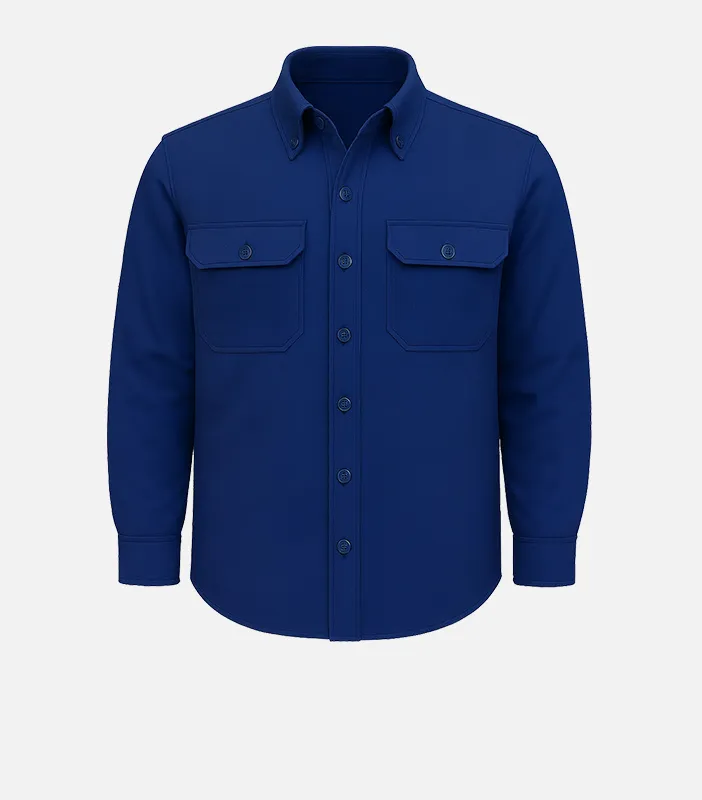
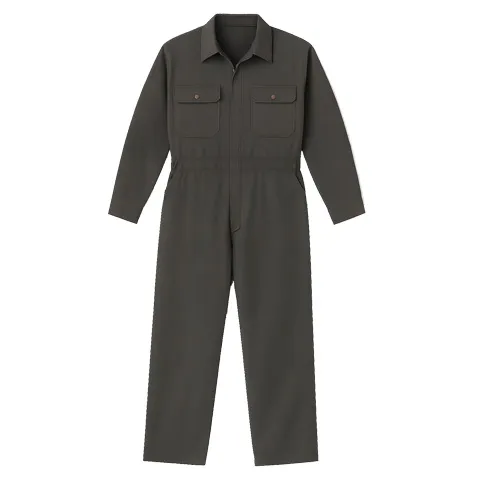
Cotton Blend Workwear
Suitable for general assembly workers.
Benefits:
Comfortable
Breathable
Cost-effective
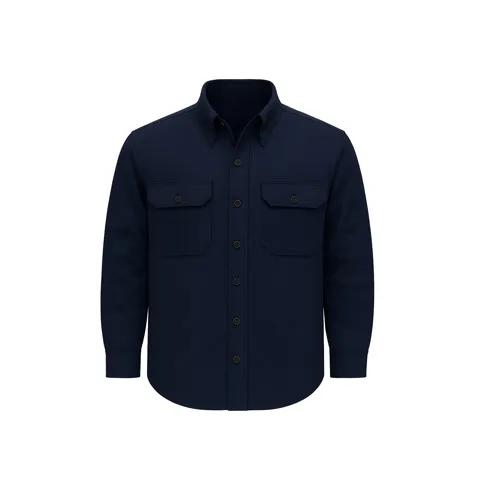
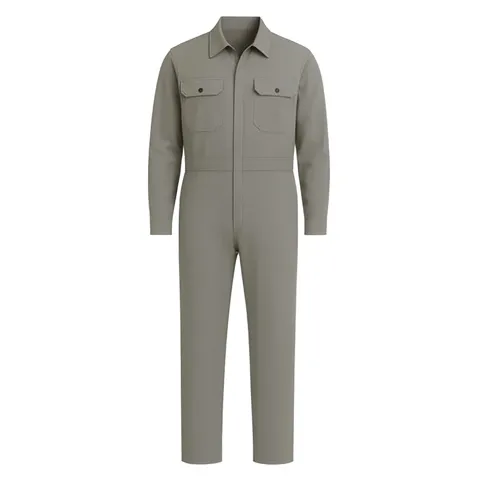
Anti-Static Workwear
Suitable for electronic component production.
Benefits:
Helps control static electricity
Protects sensitive components
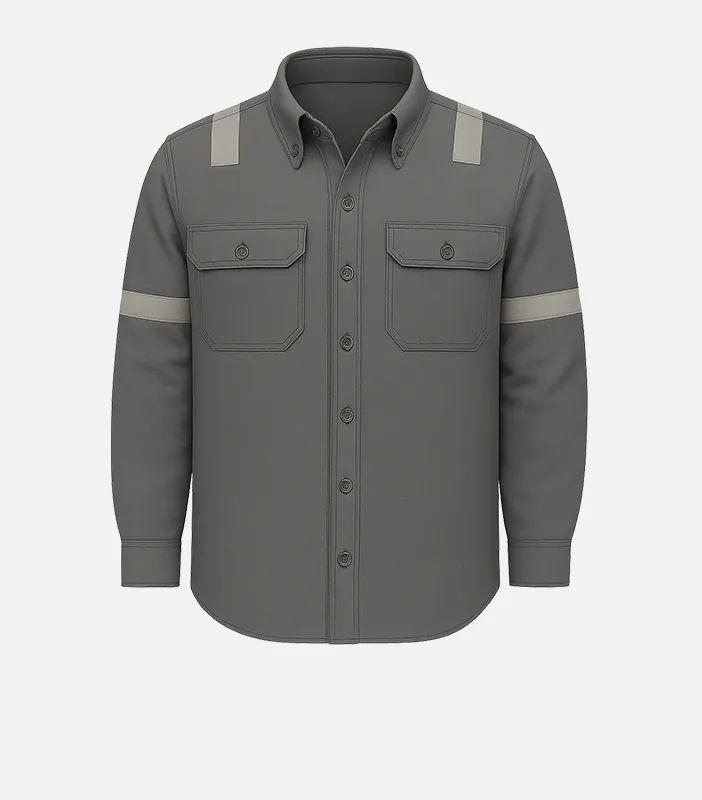
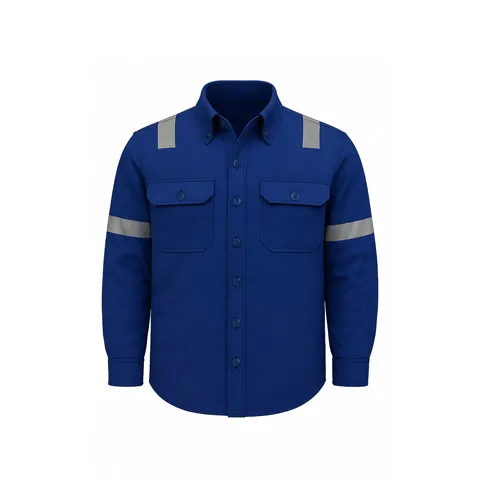
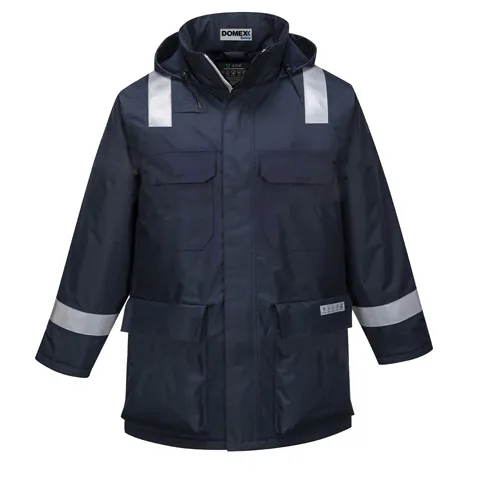
FR Workwear
Suitable for welding and heat-related operations.
Benefits:
Reduces flame spread
Provides additional protection from sparks and heat
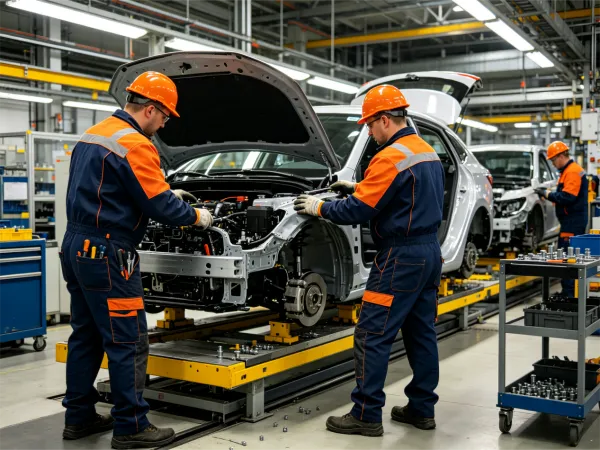
Automotive uniforms should support daily movement.
Important features include:
Reinforced knees and elbows
Multiple tool pockets
Comfortable sizing
Durable seams
Easy maintenance
A well-designed uniform improves both safety and employee efficiency.
For automotive companies, customization is often required.
Common requirements include:
Company logos
Different departments
Color management
Seasonal uniforms
Large quantity supply
A capable manufacturer should provide stable quality and flexible customization.
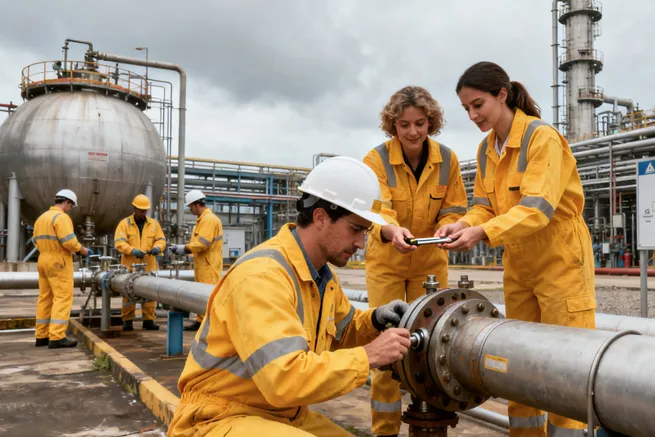
Automotive factory workwear should be designed around actual production risks.
By selecting suitable fabrics, functional designs, and reliable suppliers, companies can create uniforms that improve worker comfort, safety, and production efficiency.
DOMEXSafety focuses on the design and innovation of specialized protective apparel, with deep expertise in core safety technologies such as flame resistance and anti-static protection. We provide safe and reliable professional protective solutions for the industrial, electrical, oil, and chemical sectors, and are committed to becoming a globally trusted protective brand.